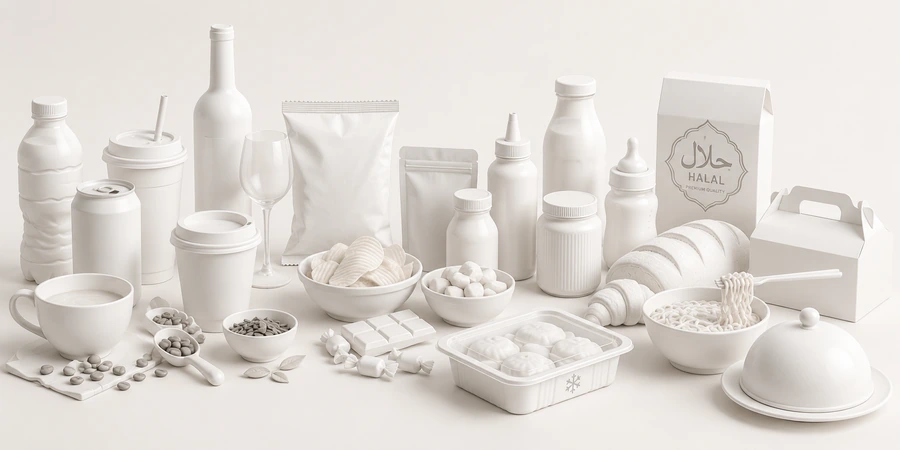
F&B / Food and beverage
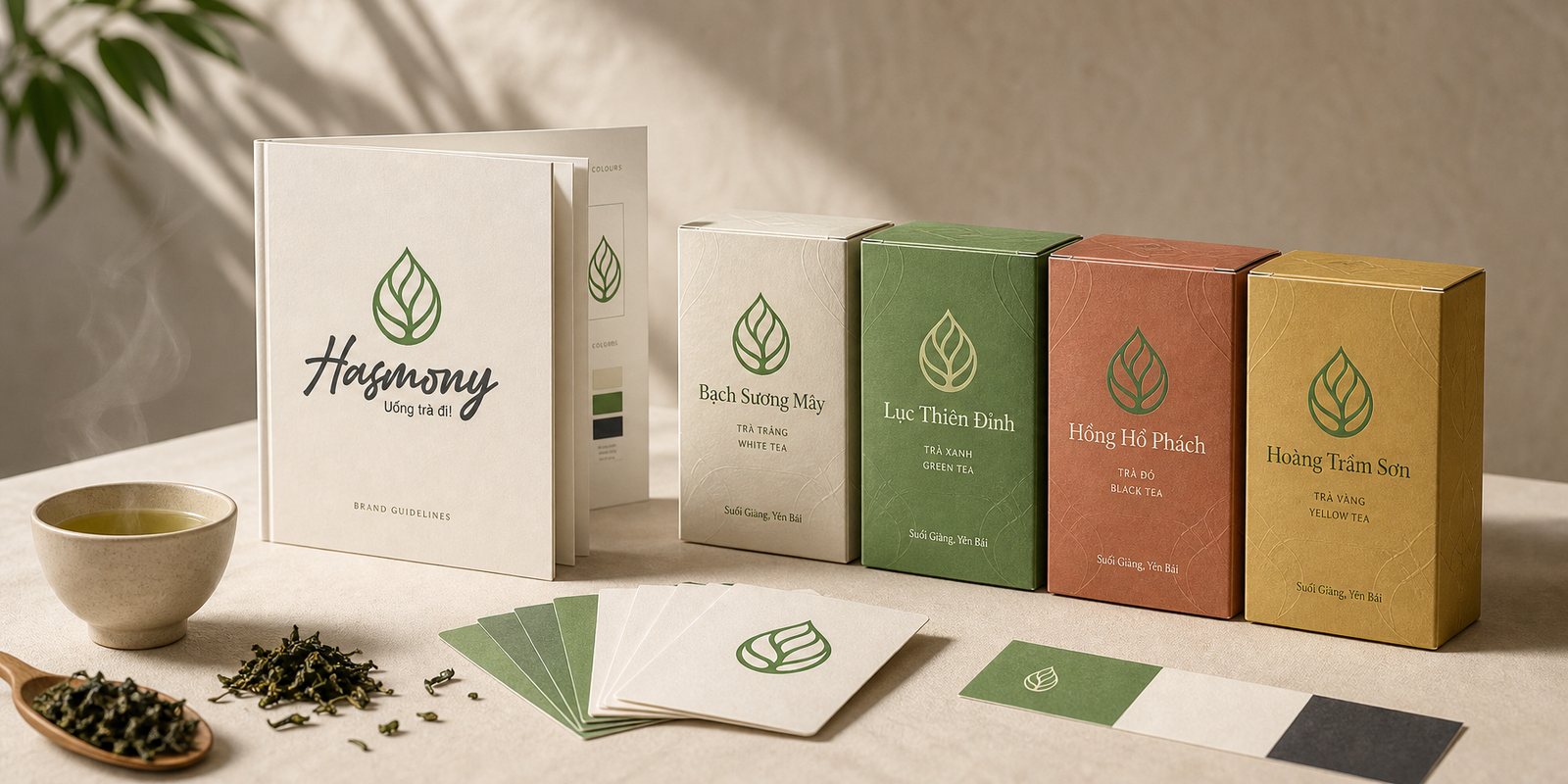
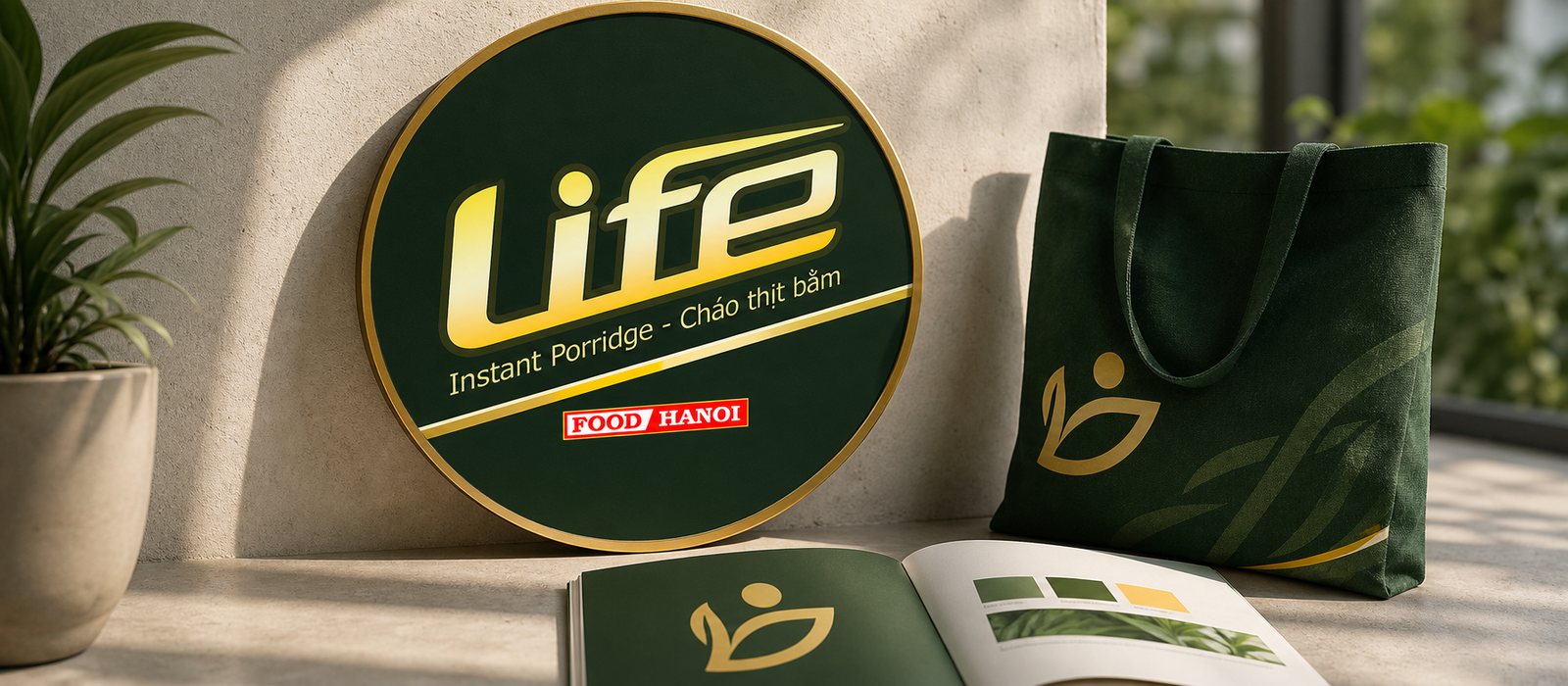
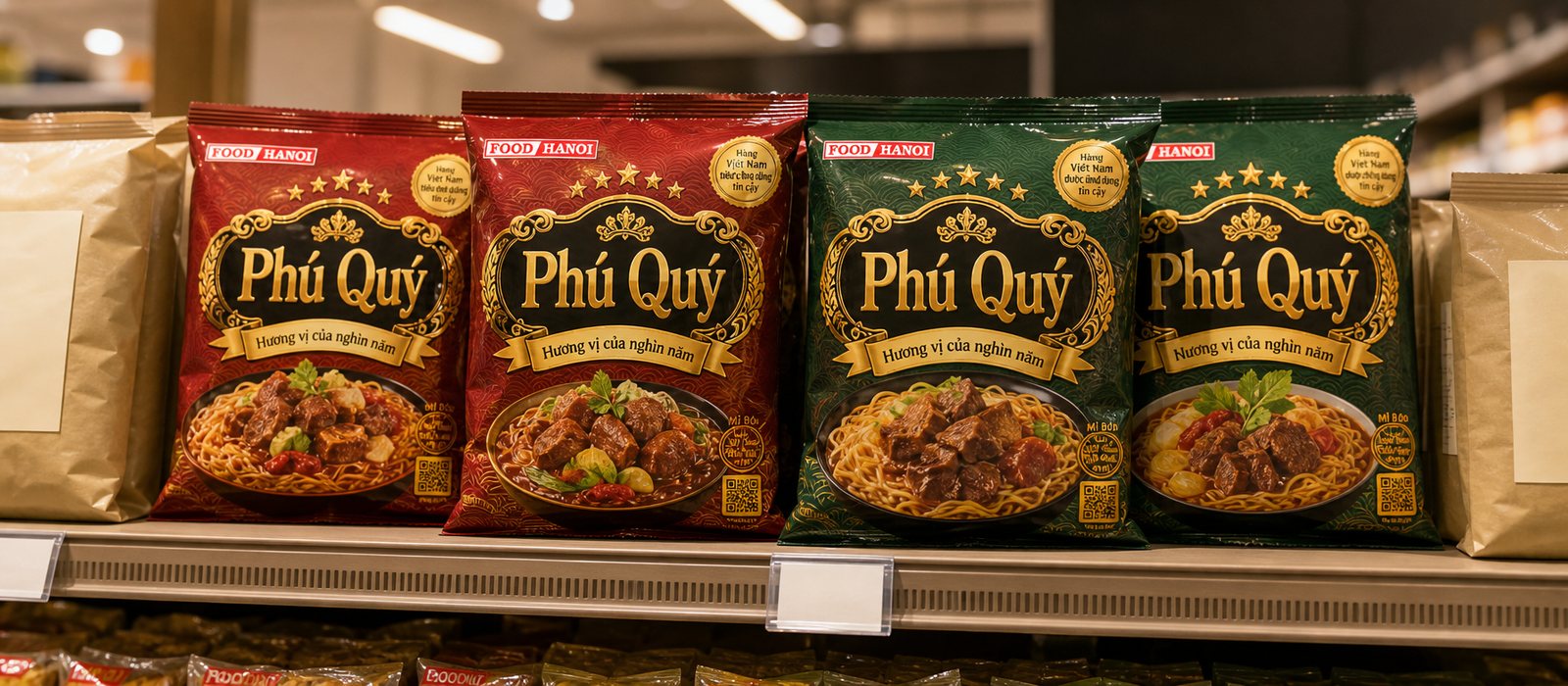
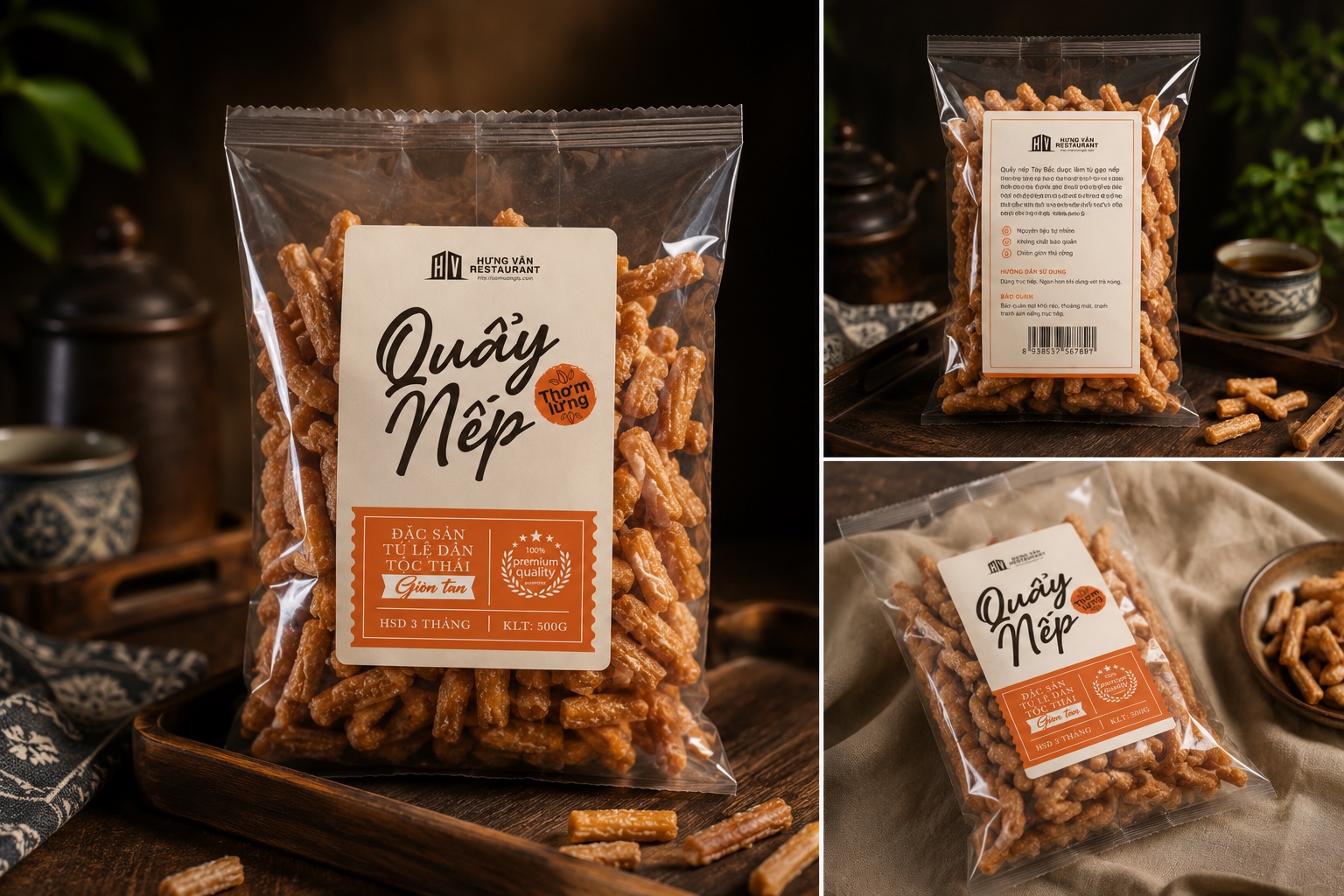
The F&B industry wins or loses right on the shelf and in the first few seconds. Sinh Vũ creates packaging and an identity system that tells the right story to expand regions and segments.

What does brand design for the F&B industry need?
F&B products compete directly on shelves and social media, where customers decide in seconds. Brands need eye-catching packaging, a credible story about origin and quality, along with a consistent identity system when expanding regions and segments.
In the F&B industry, packaging is the silent salesperson on the shelf. A consistent identity system shortens the distance from seeing to picking up and purchasing.
Three things to address
Winning and losing on the shelf
Customers decide in seconds; packaging must be eye-catching and convey value immediately.
Trust in food safety
Origin, quality, and certification must be clear to reassure customers.
Expand regions and segments
The identity system must remain consistent when expanding points of sale and moving upmarket.
Branching within the industry
Each branch has its own brand style and risks. Choose the branch that resonates with you the most.
Competing on shelves and social media, packaging must be instantly eye-catching.
The story of origin and craftsmanship enhances perceived value.
Packaging determines choice in seconds on the shelf.
Tradition and safety are the foundation of trust.
Transparency in origin and nutrition guides communication.
Strong identity to stand out among crowded shelves.
Fresh and convenient need to be visually reassuring.
The story of the growing region and craftsmanship creates a premium segment.
Natural origins and health benefits are the foundation.
International standards and certifications pave the way to market.
On-site experience and chain identity must be consistent.
Consistent identity when expanding to multiple sales points.
Sinh Vũ often does for this industry.
Has worked in this industry
Southern strategy
A roadmap of 3 cities and 12 kitchen processes.
Packaging system
Eye-catching on the shelf increased from 4% to 13%.
Website
Conversion increased from 0.8% to 2.1%.