
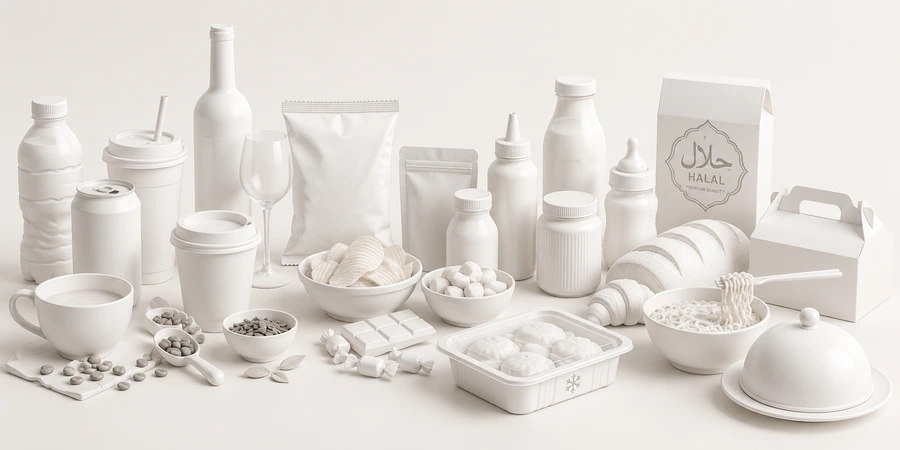
F&B, food and beverages

Brand design for wine, beer and alcoholic beverages

When advertising is restricted, the bottle has to tell its own story.

Wine, beer and spirits live on origin and craftsmanship, yet the law limits where you can tell that story. Sinh Vũ puts the story into the label, the gift box and the point of sale, so every one of your bottles reads as goods with a known source.

A sample print set for alcoholic beverages: bottle labels, a gift box, an origin card and point-of-sale items
Quick answer01

What does a wine or beer brand need?

Three things: a bottle label that shows where it is made and who is responsible, a true origin story, and a polished gift set. Advertising is restricted, so these three carry most of the storytelling.

  1. A label with a clear source

    Name, place of production and responsible company readable at once, not hidden in small print.

  2. A true origin story

    Region, ingredients and method told briefly, with real photos.

  3. A polished gift box

    Put the bottle in the box and it is already worth giving.

Business types02

Three kinds of alcoholic beverage, three problems

Beer, wine and traditional spirits are chosen for very different reasons.

Craft beer

Their customersYounger drinkers who like to try new things and choose by taste and by the brewer's story.

Brand challengeA face distinct enough that people remember the brewer's name, not just the beer style.

Wine

Their customersBuyers who want it with a meal or as a gift, and who read the label to judge how premium it is.

Brand challengeA label that conveys origin and character in a language people understand at a glance, without the cliché.

Traditional spirits and regional specialties

Their customersBuyers who want a gift or something for the home, and who often worry about goods with an unclear source.

Brand challengeWin back trust: a label that names the place and the responsible party, with packaging that matches the quality of the spirit.

Pain points03

Four pain points specific to alcoholic beverages

These are the places wine and beer lose customers that the quality of the drink can't rescue.

01

Local goods get treated as unregulated goods

The spirit is excellent, but the bottle and label look like goods of unknown origin, so buyers hesitate to give it as a gift.

A label that names the product, the place and the responsible company, with packaging that matches the quality of the spirit.

Start from this problem
Customer journey04

At which stage does a spirits brand lose the most customers?

At the Check stage. Buyers turn the bottle over to find where it is made and who is responsible, to see whether it is the real thing.

Where customers are most often lostCheck
Do this now
  1. Put the name of the responsible company and the place of production where buyers can easily see them.
  2. Tell the real process in a few short lines on the back label.
  3. Use photos of the actual place of production, not stock images.
Touchpoints05

Five touchpoints to do first

Advertising is restricted, so direct touchpoints matter even more. These five carry most of the storytelling.

  1. Bottle label

    It is where buyers read the origin and decide whether to trust it.

  2. Gift box

    Wine and beer are often bought as gifts, so the box sets the first impression.

  3. The origin story

    Region, makers, method: real material to tell without advertising.

  4. Point-of-sale items

    Glasses, trays and coasters at the venue are where the brand gets to show its name.

  5. Business premises signage

    For spirits from 5.5 to under 15 degrees and for beer, Article 13 exempts the signage of the business premises from the outdoor restrictions.

Roadmap06

Where Sinh Vũ suggests you start

In the order Sinh Vũ suggests doing them. A new brand can stop at step three and be ready to launch.

  1. Brand strategy and positioning consulting

    Choose whether to stand on origin or craftsmanship before drawing anything.

  2. Logo and Brand Identity Design

    Name, mark, colors and type so every bottle shares one face.

  3. Product packaging design

    Bottle labels and gift boxes, where most of the story lives.

  4. Building brand voice

    How you name things, how you tell the origin and the words on the label.

  5. POSM and event booth design

    Point-of-sale items and displays.

Projects07

Related work for wine and beer

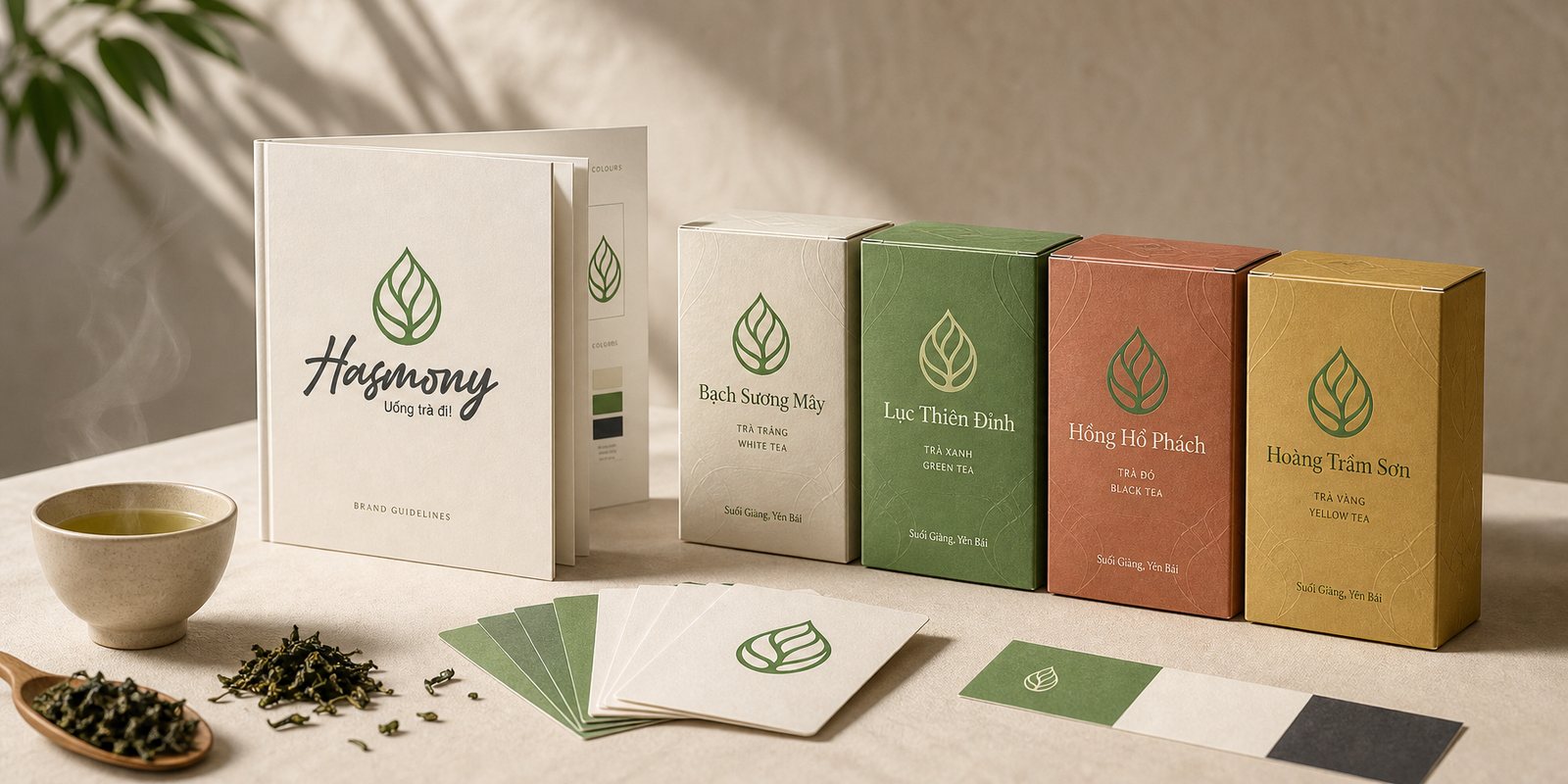
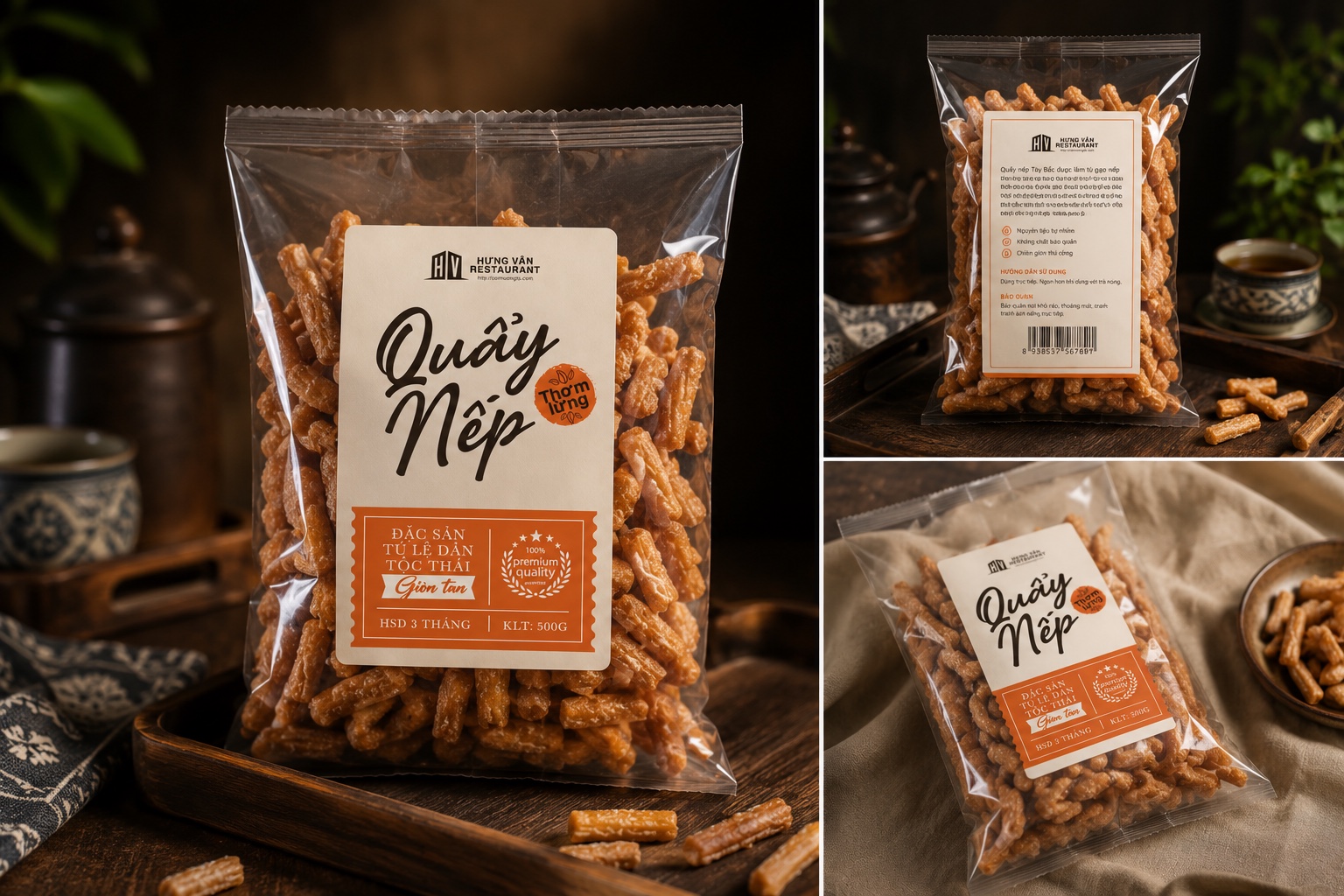
Sinh Vũ has not published a wine or beer project. The two below are the closest: a premium tea told through its land, and a highland specialty packed as a gift.

Further reading08

More on alcoholic beverages

Free toolTouchpoint map for this business modelSee the five stages customers pass through, where they drop off most, then rate the five touchpoints to fix first.Open the tool Free toolMandatory label check (Vietnam)Choose a product type, paste the label text or drop a photo of the label, and see which mandatory items under Vietnamese law are not found.Open the tool
FAQ09

Frequently asked questions

Advertising of spirits at 15 degrees or above is banned (Article 5, clause 7 of the 2019 Law on Prevention and Control of Harmful Effects of Alcohol). Spirits from 5.5 to under 15 degrees and beer from 5.5 degrees may not be advertised in cultural or sports programs or on outdoor media, except for the signage of the business premises (Article 13). Have your lawyer review the final version.

Goods sold on the domestic market must carry, in Vietnamese, the product name, the name and address of the responsible organization and the origin, plus mandatory content specific to each product group (Article 10 of Decree 43/2017/ND-CP, as amended by Decree 111/2021/ND-CP). The design should leave room for this from the start.

Avoid grains, hop flowers and foamy mugs, since almost every brand uses them. Sinh Vũ looks for a distinct detail in the brewer's own story and tests it at small label size.

Make the label clear about the name, the place of production and the responsible company, then bring the packaging up to the quality of the spirit. Customers trust what they can see of the source, not what they read in praise.

Keep the box framework and change the decoration. Regulars recognize the box, and each year still has something new.

Tell Sinh Vũ about your wine or beer

A few lines about the kind of drink, where it is made and what is holding you back is enough. Sinh Vũ reads it and replies within one working day.