F&B, food and beverages

Label design for fish sauce, chili sauce and spice packaging

Shoppers believe in traditional flavor, but only buy when the bottle looks clean.

Sauces and spices go into the kitchen every day, so shoppers are very particular about where they come from. Sinh Vũ helps your bottles and jars keep the soul of a family recipe while looking clean, clear and trustworthy.

A sample print set for sauces and spices: bottle labels, jar labels, a gift box and a product page
Quick answer01

What do sauce and spice labels need?

Three things: a label that shows where it is made and who is responsible, a recipe story that is true, and a clean look that doesn't lose the tradition. Shoppers study the label closely before it goes in the basket.

  1. A label with a clear source

    The place of production, the responsible company and the mandatory information readable at once.

  2. A true recipe story

    Who makes it, since when and how, told briefly with real photos.

  3. A clean look that still has soul

    A family recipe doesn't have to look dated.

Business types02

Three kinds of product, three problems

Fish sauce, sauces and dried spices are chosen for different reasons.

Fish sauce

Their customersShoppers buying for the family kitchen, who often ask where it is made and what the protein content is.

Brand challengeKeep the soul of the craft village without looking like a family-recipe product with no paperwork.

Chili sauce and other sauces

Their customersShoppers buying out of habit and for the occasion, comparing many labels on one shelf.

Brand challengeA mark for each type you understand at a glance, with the whole range one house.

Dried spices

Their customersShoppers buying single items or gifts, who often choose by the dish they plan to cook.

Brand challengeShow what dish the spice is for and where it comes from, packed neatly enough to give as a gift.

Pain points03

Four pain points specific to sauces and spices

These are the places spices lose customers that great flavor can't rescue.

03

A small label with too much text

A small bottle or jar has to hold the name, ingredients and expiry date, leaving the front no room to breathe.

Plan the space from the start: the front is only for recognition, and the mandatory text goes on the back.

Start from this problem
Customer journey04

At which stage do sauces and spices lose the most customers?

At the Check stage. Shoppers turn the bottle over and read the place of production and the ingredients before deciding whether to trust it.

Where customers are most often lostCheck
Do this now
  1. Put the place of production and the responsible company where they are easy to read, not buried in small print.
  2. Tell the recipe in two or three short sentences on the back.
  3. Photograph the actual production site for use on labels and sales pages.
Touchpoints05

Five touchpoints to do first

Touchpoints are the places where customers see, touch or hear about the product. These five decide the initial trust.

  1. Bottle and jar labels

    The place where shoppers read the origin and decide.

  2. The recipe story

    Gives shoppers a reason to pay more for a name they know.

  3. Gift boxes

    Specialty spices are often given as gifts, so the box sets the impression.

  4. Product pages on marketplaces

    New shoppers often check here before buying.

  5. The back of the label

    Shoppers turn it over to read the ingredients and the place of production.

Roadmap06

Where Sinh Vũ suggests you start

In the order Sinh Vũ suggests doing them. A maker with a single product can stop at step two and be ready for the shelf.

  1. Logo and Brand Identity Design

    Name, mark, colors and type: keep what is familiar and refresh the rest.

  2. Product packaging design

    Bottle and jar labels and gift boxes, with room ready for the mandatory information.

  3. Building brand voice

    How you tell the recipe and the words on the label.

  4. Product and brand photography

    Photos of the production site and the product for labels and sales pages.

  5. Brand guidelines handbook

    Once you have many types: guidelines so every type follows the frame.

Projects07

Related work for sauces and spices

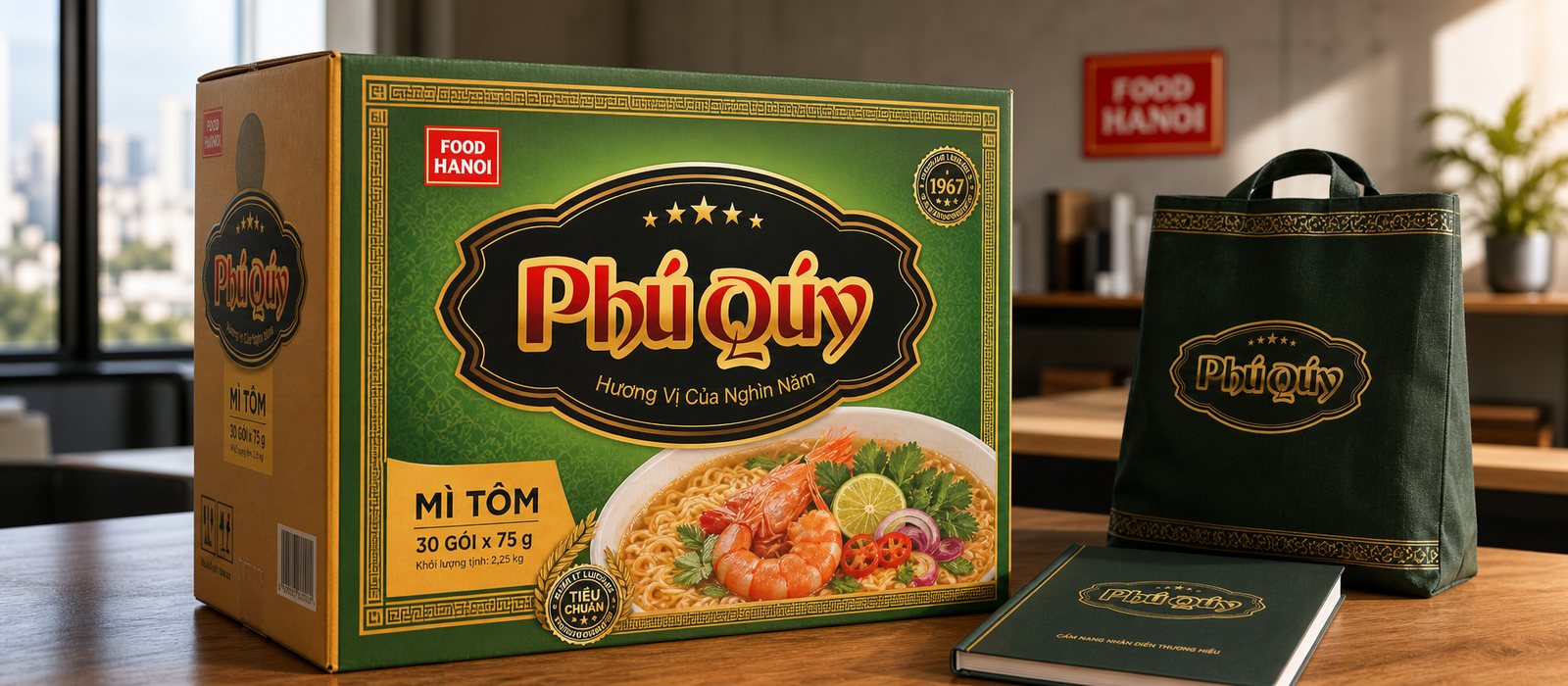
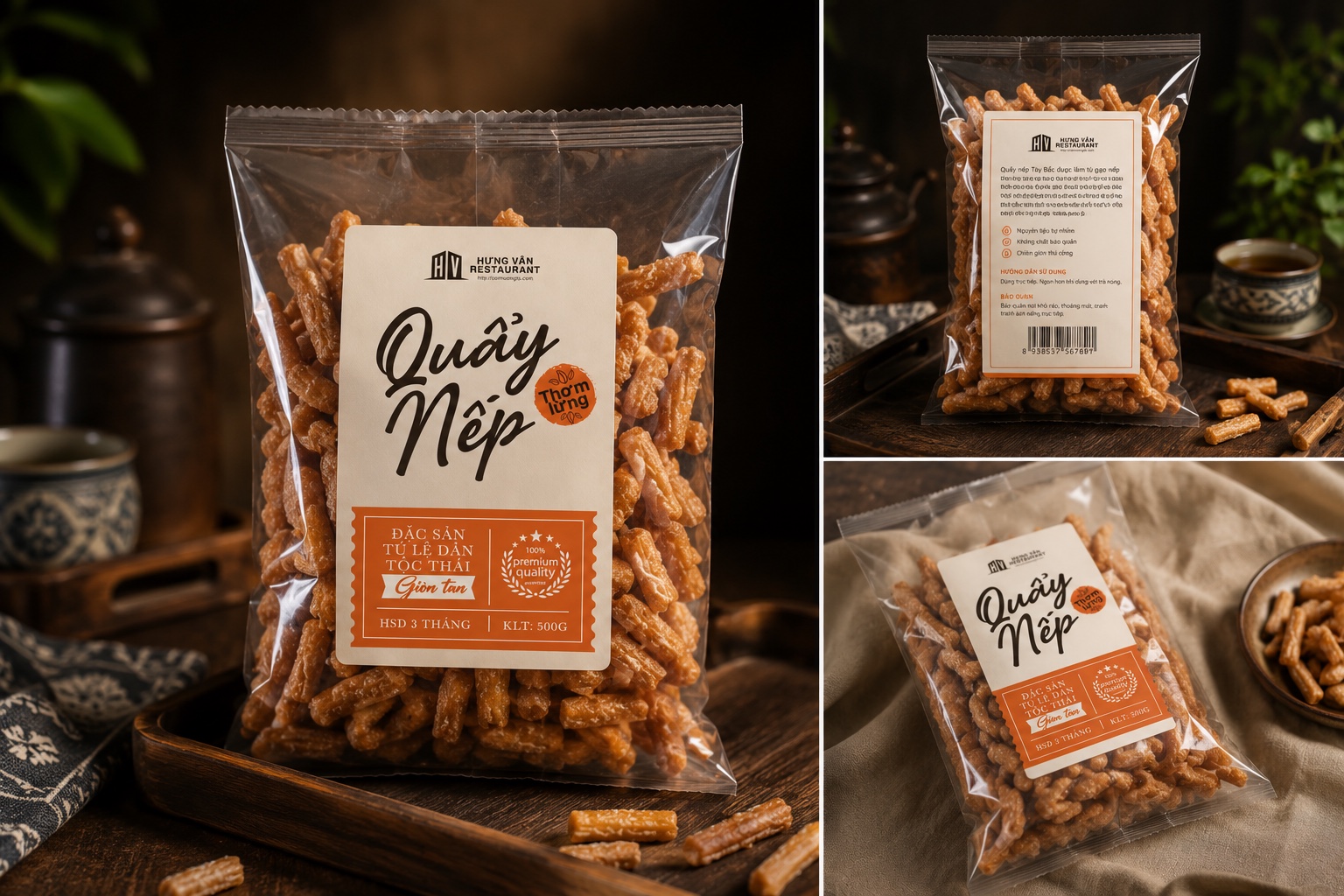
Sinh Vũ has not published a fish sauce or chili sauce project. The two below are the closest: FOOD HANOI with its iodized seasoned salt, and Hưng Vân's highland specialties.

Further reading08

More on sauces and spices

Free toolTouchpoint map for this business modelSee the five stages customers pass through, where they drop off most, then rate the five touchpoints to fix first.Open the tool Free toolMandatory label check (Vietnam)Choose a product type, paste the label text or drop a photo of the label, and see which mandatory items under Vietnamese law are not found.Open the tool
FAQ09

Frequently asked questions

Goods sold on the domestic market must carry, in Vietnamese, the product name, the name and address of the responsible organization and the origin, plus mandatory content specific to each product group (Article 10 of Decree 43/2017/ND-CP, as amended by Decree 111/2021/ND-CP). The design should leave room for this from the start.

Keep what shoppers already recognize, such as the name and the color. Refresh the type, the layout and the storytelling so younger shoppers dare to pick it up.

Split the front and back from the start: the front for recognition and the name, the back for ingredients, place of production and instructions.

Yes, when the product is often given as a gift. A gift box gives shoppers a reason to buy at holiday time and is a place to tell the recipe story.

Make one shared label frame and change the color and mark for each type. Short guidelines keep new types on the frame.

Tell Sinh Vũ about your product

A few lines about the product, where you sell it and what is holding you back is enough. Sinh Vũ reads it and replies within one working day.