Agriculture, Seafood, and OCOP
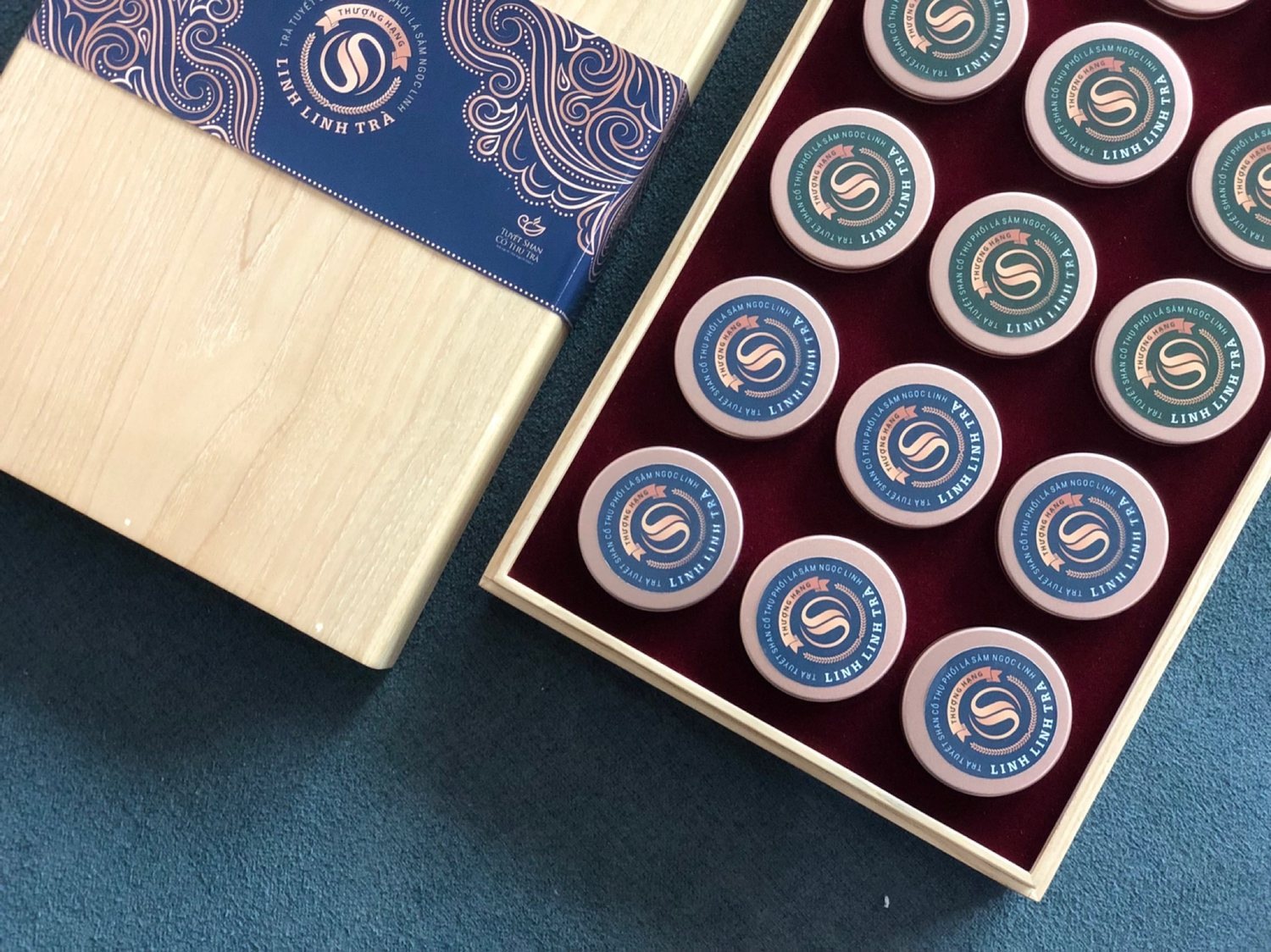
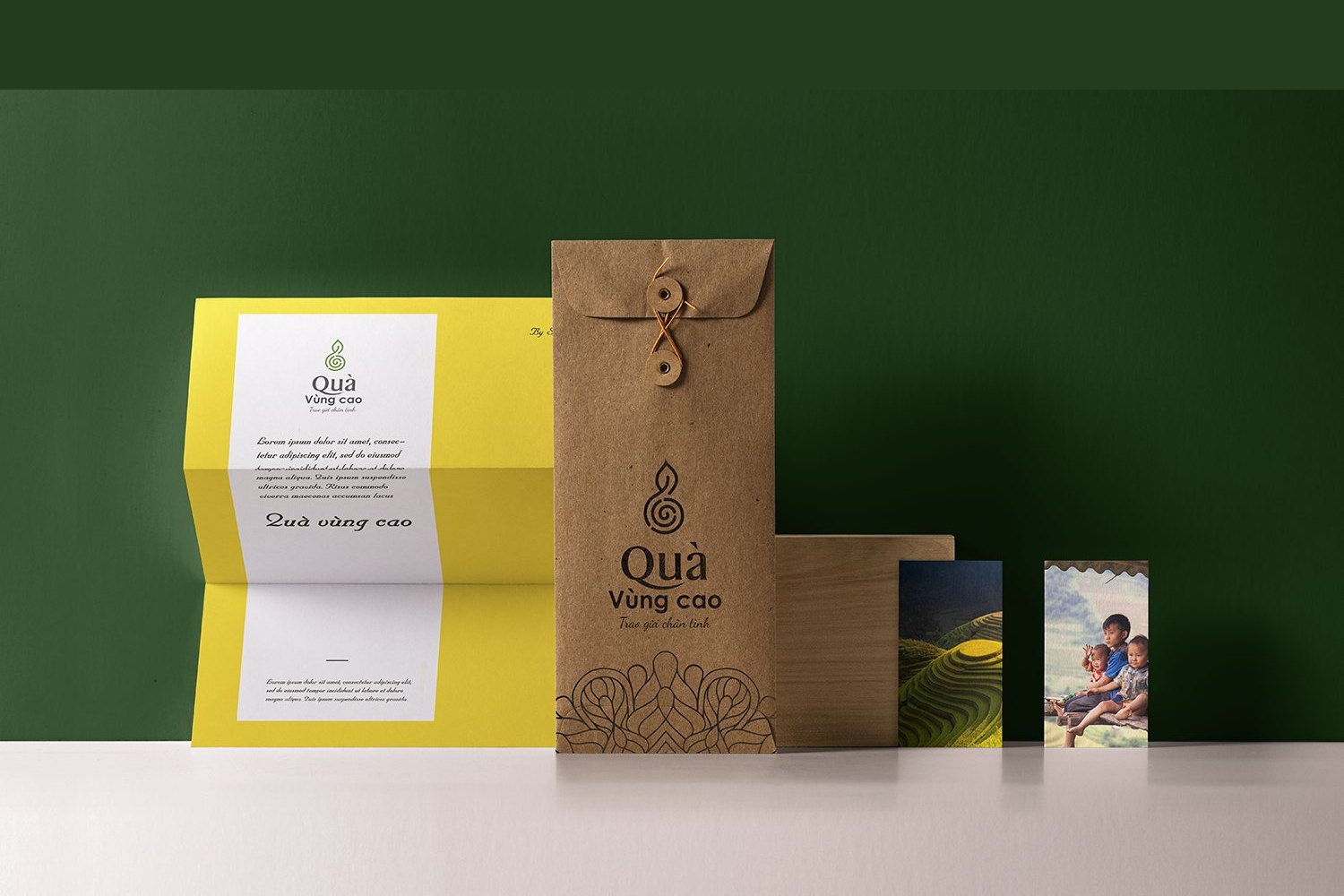
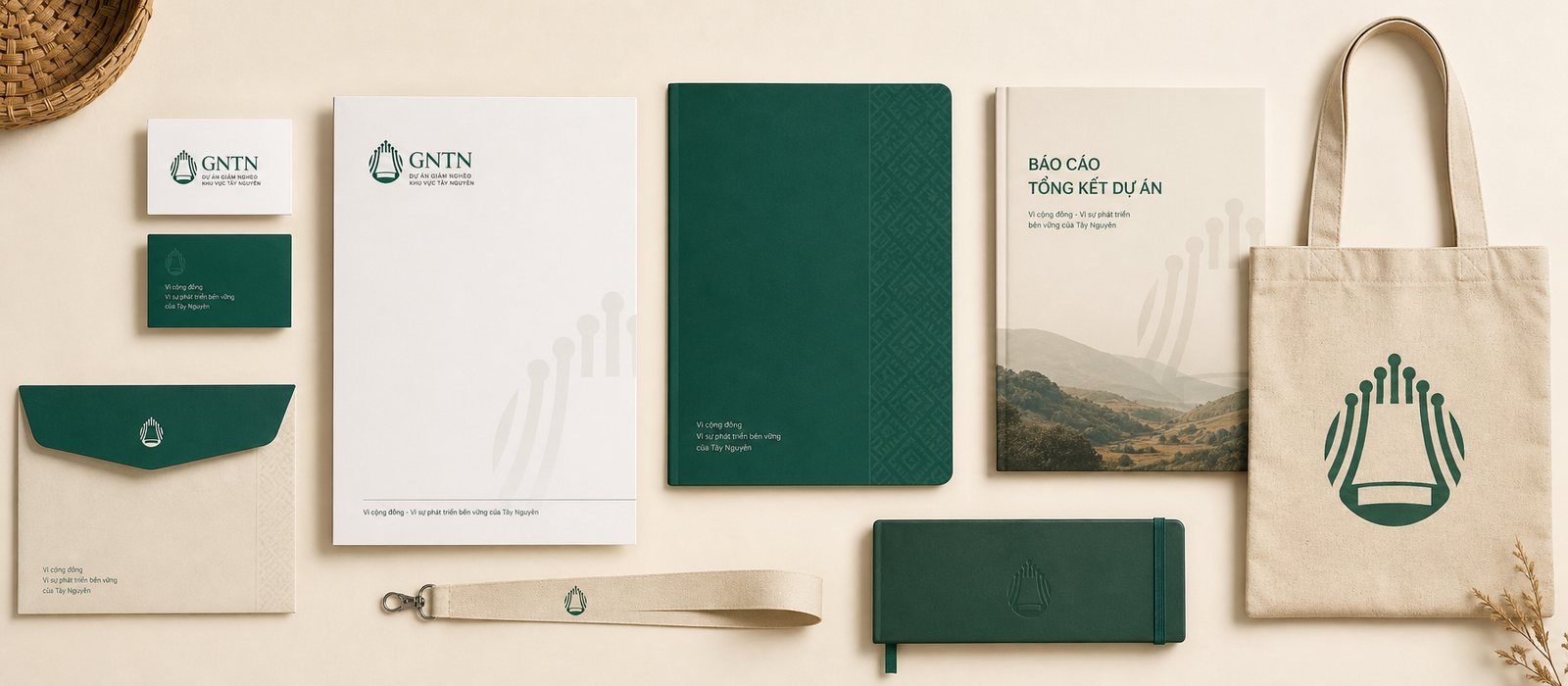
Vietnamese agricultural and seafood products are of high quality but often sold raw at low prices due to a lack of branding. Sinh Vũ creates identities and packaging to enhance value, accurately telling the story of the growing regions and paving the way for exports.

What does brand design for the agriculture and seafood sector require?
Vietnamese agricultural and seafood products are competitively priced, but most are exported in raw form or processed for foreign brands, resulting in low selling prices. Brands need packaging that meets standards for supermarket shelves and international markets, a trustworthy story about origin and certification, along with an identity system that helps products be remembered by their unique names.
In the agricultural and seafood industry, branding is the bridge that elevates products from raw material prices to finished product prices. Packaging and the story of origin determine whether Vietnamese agricultural products are remembered by their unique names or continue to remain anonymous on foreign shelves.
Three things to address
Escape the raw trap
Unbranded products can only be sold at raw material prices, which are significantly lower than their true value.
Trust in origin and certification
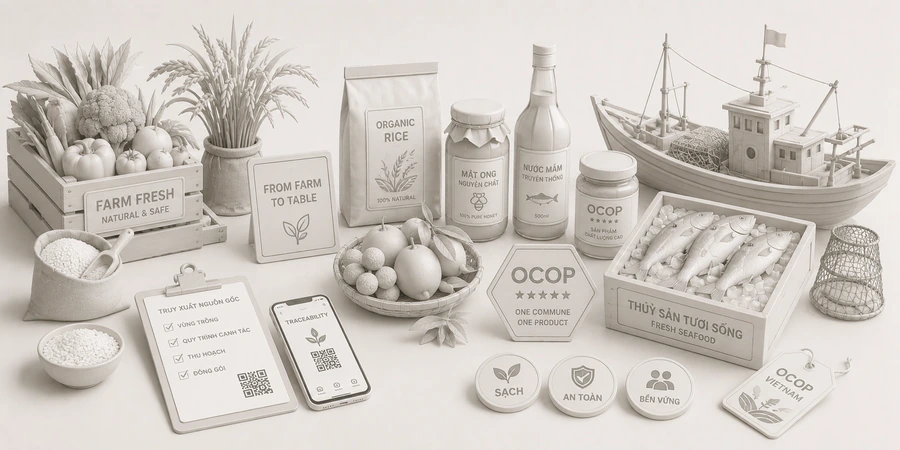
The growing regions, processes, and certifications such as VietGAP or organic must be clearly displayed to reassure customers and importers.
Ready for shelves and export
Packaging must meet supermarket display standards and international labeling regulations to enter large markets.
Branching within the industry
Each branch has its own brand style and risks. Choose the branch that resonates with you the most.
Branded packaged rice sells at a much higher price than bulk rice of the same quality.
The story of the growing region and processing elevates coffee beans to a higher segment.
Deep processing helps fruits retain value and sell year-round.
Regional specialties need proper packaging to stand alongside imported goods.
Traceability and certification are prerequisites for entering large markets.
Transparency in processes and clean certifications guides all communication.
The local story and OCOP certification create differentiation on the shelf.