Agriculture, aquaculture, and OCOP

Brand design for single-origin coffee

Good coffee isn't enough if the buyer doesn't know where it comes from.

Most Vietnamese coffee reaches the market as unnamed green beans. Sinh Vũ helps your coffee tell its region, its growers and its processing, so buyers remember the name and reorder.

A sample print set for single-origin coffee: a coffee bag, a brewing card, a buyer file and a trade fair booth
Quick answer01

What does a single-origin coffee brand need?

Three things first: a region and growers told through real detail, a coffee bag that reads fast, and a tight introduction pack for buyers. Together they turn a lot of beans into a named source of supply.

  1. Region and growers

    Altitude, variety and processing method told in a few true lines, with photos of the growing region.

  2. A coffee bag that reads fast

    Name, region, roast level and flavor readable at once, with a brewing suggestion right on the bag.

  3. An introduction pack for buyers

    One compact set for roasters, cafés and importers: region, processing, samples, how to get in touch.

Business types02

Three kinds of coffee, three problems

All of it is coffee, but the buyers differ, so what the brand has to say differs too.

Green coffee for export

Their customersRoasters, traders and importers, at home and abroad.

Brand challengeFrom an unnamed lot to a named source of supply: a profile of region, variety, processing and samples, enough for buyers to remember and reorder.

Single-origin specialty coffee

Their customersCafés, discerning drinkers and small roasters looking for coffee with a true story.

Brand challengeTell the region, the grower and the harvest through real photos and words, avoiding an origin story that sounds like anywhere.

Plain roasted coffee

Their customersHome drinkers and small cafés buying a ready-roasted bag, or buying as a gift.

Brand challengeA bag that shows roast level, flavor and brewing at a glance, and is clearly different from the blends on the same shelf.

Pain points03

Four pain points specific to coffee

These are the places where good coffee still loses buyers and bean quality can't save it.

03

A coffee bag that is pretty but hard to read

Small type, many colors; shoppers can't tell the roast level, the flavor or how to brew it.

Set the reading order: name, region, roast level, flavor, brewing; the rest goes below.

Start from this problem
Customer journey04

At which stage does coffee lose the most buyers?

At the Check stage. Buyers want to know where the coffee comes from, who grew it and how it was processed before they order. An empty or generic profile sends them to another source.

Where customers are most often lostCheck
Do this now
  1. Write a region page covering altitude, variety, harvest season and processing method.
  2. Photograph the region and the people in real light, not staged images.
  3. Prepare a compact introduction pack for buyers, with a sample and how to get in touch.
Touchpoints05

Five touchpoints to do first

Touchpoints are the places where buyers look at, touch or read about your coffee. You don't need to do everything at once. These five touchpoints decide most of the impression.

  1. Coffee sacks and bags

    It is what buyers pick up and read before deciding.

  2. Buyer file

    Where roasters and importers check the source of supply.

  3. Photos of the growing region

    Real images of the farm and the people are the strongest proof.

  4. Trade fair booth

    Where buyers meet many sources in a single session.

  5. Online sales page

    Buyers far away research and read carefully before ordering their first bag.

Roadmap06

Where Sinh Vũ suggests starting

In the order to do them. A small farm can stop at step two or three; a larger brand goes all the way.

  1. Building brand voice

    The name and the way to tell the region, the growers and the processing in a true voice.

  2. Product packaging design

    A coffee bag that reads fast, true to the position you chose.

  3. Product and brand photography

    Photos of the region, the people and the beans you can use all year.

  4. Corporate capability profile design

    A compact introduction pack for buyers at home and abroad.

  5. POSM and event booth design

    The trade fair booth and the items you bring when you meet buyers.

Projects07

Projects closest to coffee

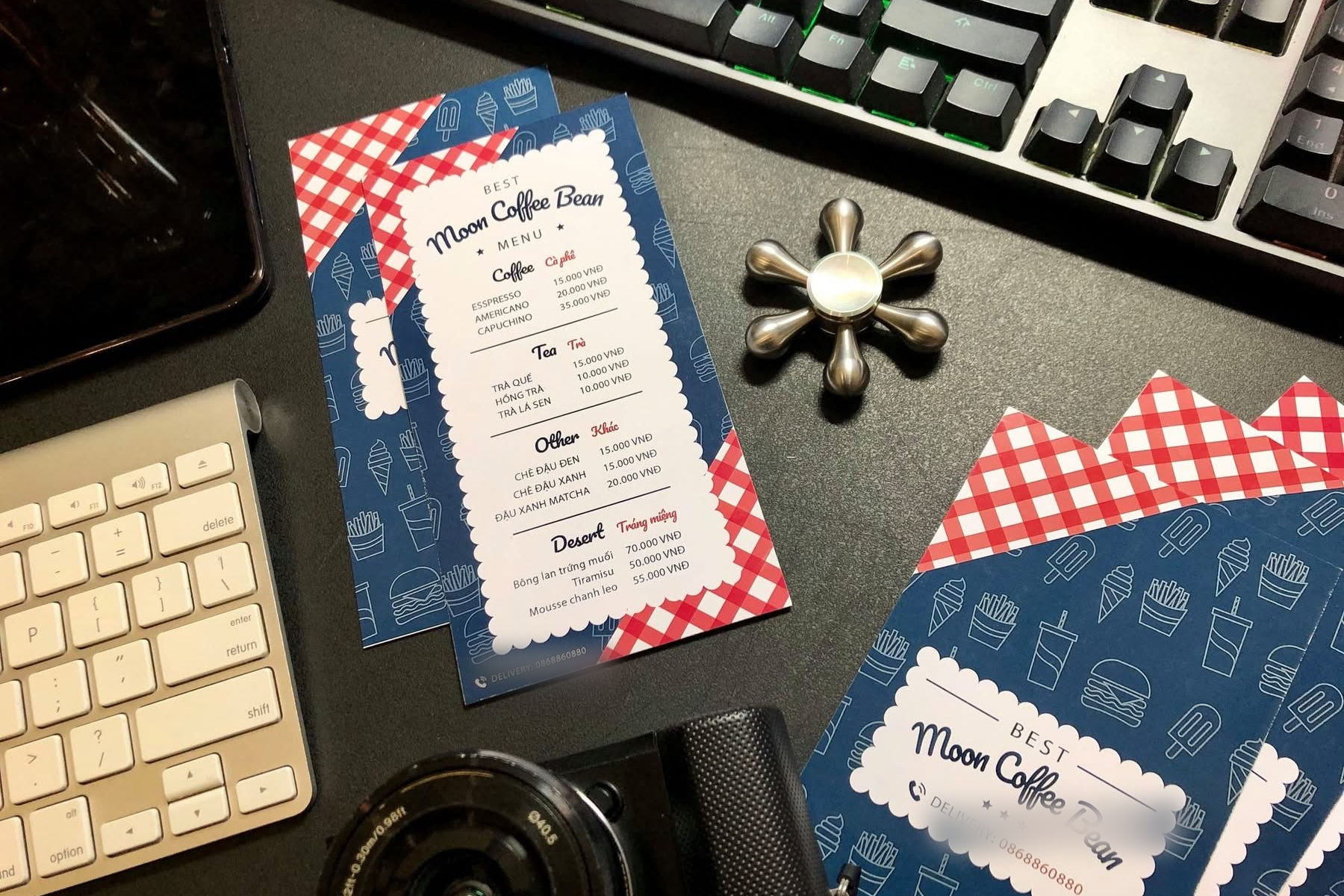
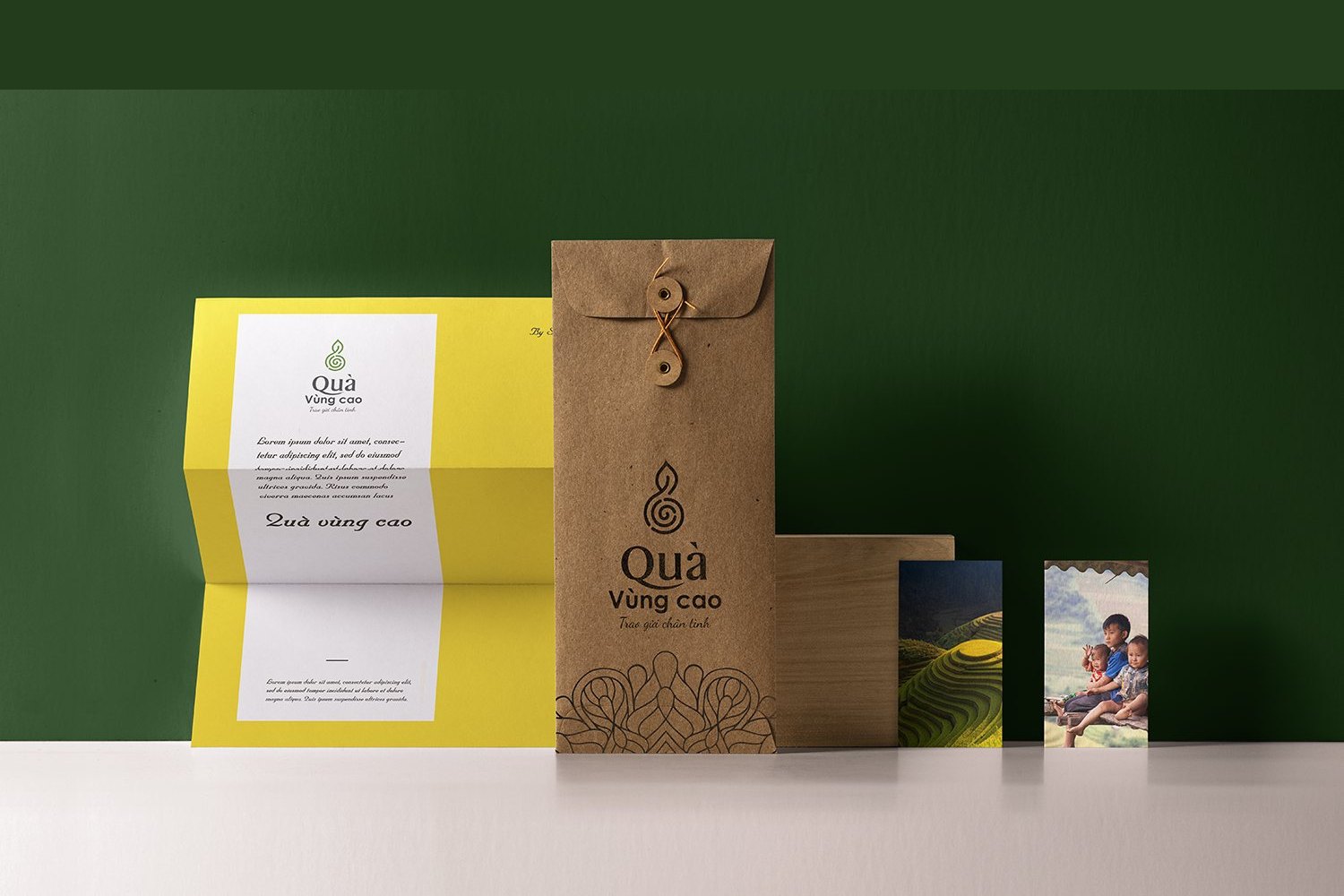
Sinh Vũ has not published a single-origin or export coffee project. The two projects below are the closest: takeaway coffee packaging for a café, and turning highland specialties into one brand.

Further reading08

More on single-origin coffee

Free toolTouchpoint map for this business modelSee the five stages customers pass through, where they drop off most, then rate the five touchpoints to fix first.Open the tool Free toolMandatory label check (Vietnam)Choose a product type, paste the label text or drop a photo of the label, and see which mandatory items under Vietnamese law are not found.Open the tool
FAQ09

Frequently asked questions

Tell what only that region has: altitude, variety, the drying or fermenting method, the names of the people. Avoid generic lines like red soil and cool climate, since every region writes the same.

Name, region, roast level and flavor at the top, with brewing and roast date below. If shoppers can read it in a few seconds, that is enough.

You can start with a name and a profile for each lot, without a retail bag yet. What you need is a name roasters can repeat when they sell your coffee.

Region and growers, variety, processing, flavor, how to get a sample and how to get in touch. If you sell abroad, add a bilingual version.

A clear name sign, samples packed in the same format as the bag, and a compact introduction sheet with a contact code. The goal is for buyers to remember your name and get back in touch after the fair.

Tell Sinh Vũ about your coffee

A few lines about the product, the growing region and what is holding you back are enough. Sinh Vũ reads it and replies within one working day.