Agriculture, aquaculture, and OCOP

Packaging design for OCOP products and regional specialties

OCOP stars open the door; packaging keeps your place on the shelf.

Many OCOP products already hold stars, yet their packaging and files still follow the trade fair style and struggle to enter supermarkets. Sinh Vũ makes your packaging, gift box and file meet the big-shelf standard while keeping local identity.

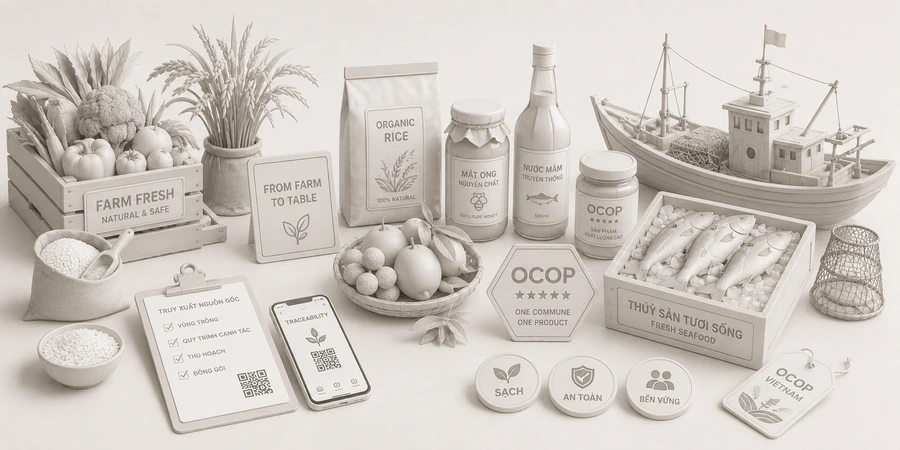
A sample print set for an OCOP product: packaging, a specialty gift box, a story card and a supermarket file
Quick answer01

What does an OCOP product need to enter a supermarket?

Beyond OCOP (Vietnam's One Commune One Product programme) stars, supermarkets usually weigh packaging, labels, quality documentation and steady supply. On the design side, you need three things: packaging that holds up on the shelf, a true local story, and a compact introduction file.

  1. Packaging that holds up on the shelf

    Clear type, a tidy layout, and room for the barcode and secondary labels as the supermarket requires.

  2. A true local story

    The people, the place and the craft told in photos and a few lines, without bamboo and rice-stalk motifs added just to look rustic.

  3. A file for the purchasing team

    One compact set covering the product, specifications, certification and how to get in touch, ready to hand over in the meeting.

Business types02

Three kinds of product, three problems

All of them carry OCOP stars, but the craft and the shoppers differ, so what the brand has to say differs too.

OCOP farm produce

Their customersCooperatives, processing facilities and local producer households.

Brand challengeMove from packaging made for trade fairs to packaging that goes on the shelf and sells every day.

Traditional drinks

Their customersMakers of tea, bottled drinks and flower honey in the local craft.

Brand challengeKeep the spirit of the traditional craft while the packaging stays tidy, modern and easy to carry as a gift.

Local handicraft products

Their customersCraft villages, artisan groups and handicraft cooperatives.

Brand challengeShow shoppers the skill and the people, so a handmade piece is valued at its true worth.

Pain points03

Four pain points specific to OCOP products

These are the places where an OCOP product struggles to travel far and product quality can't save it.

01

Trade fair packaging that can't reach a large shelf

Bags and boxes from the print shop's ready-made templates, pretty on a trade fair table but short of room for the barcode and secondary labels.

Rebuild the packaging frame to retail standard: layout, label zones, shipping carton size.

Start from this problem
Customer journey04

At which stage does an OCOP product lose the most shoppers?

At the See stage. On a supermarket shelf or at a trade fair, shoppers look for a few seconds. If the packaging blends in with other regional goods, they pass even when the product is good.

Where customers are most often lostSee
Do this now
  1. Choose one image distinct to your region as the main mark, and avoid motifs everyone uses.
  2. Put the certification mark where it is easy to see, following the issuing body's guidance.
  3. Set the packaging next to similar products before printing a large run.
Touchpoints05

Five touchpoints to do first

Touchpoints are the places where shoppers look at, touch or read about your OCOP product. You don't need to do everything at once. These five touchpoints decide most of the impression.

  1. Packaging, gift box

    It is the first thing shoppers see and what they carry away as a gift.

  2. Story card

    Gives shoppers a reason to pick this one over the same kind of product.

  3. Trade fair booth

    Where shoppers and purchasing teams meet many products at once.

  4. File for supermarkets

    What a purchasing team needs in order to consider a place on the shelf.

  5. Secondary label and barcode

    Supermarkets usually require them; if the design leaves room, nothing gets stuck over the image.

Roadmap06

Where Sinh Vũ suggests starting

In the order to do them. A small producer can stop at step two or three; a larger brand goes all the way.

  1. Logo and Brand Identity Design

    Name, mark and colors carrying the distinct identity of your region.

  2. Product packaging design

    Packaging and gift box built to the big-shelf standard.

  3. Building brand voice

    Telling the people, the place and the craft in a true voice.

  4. Corporate capability profile design

    A product file for the purchasing team.

  5. Brand guidelines handbook

    A guideline so many households can use one brand correctly.

Projects07

Projects closest to OCOP products

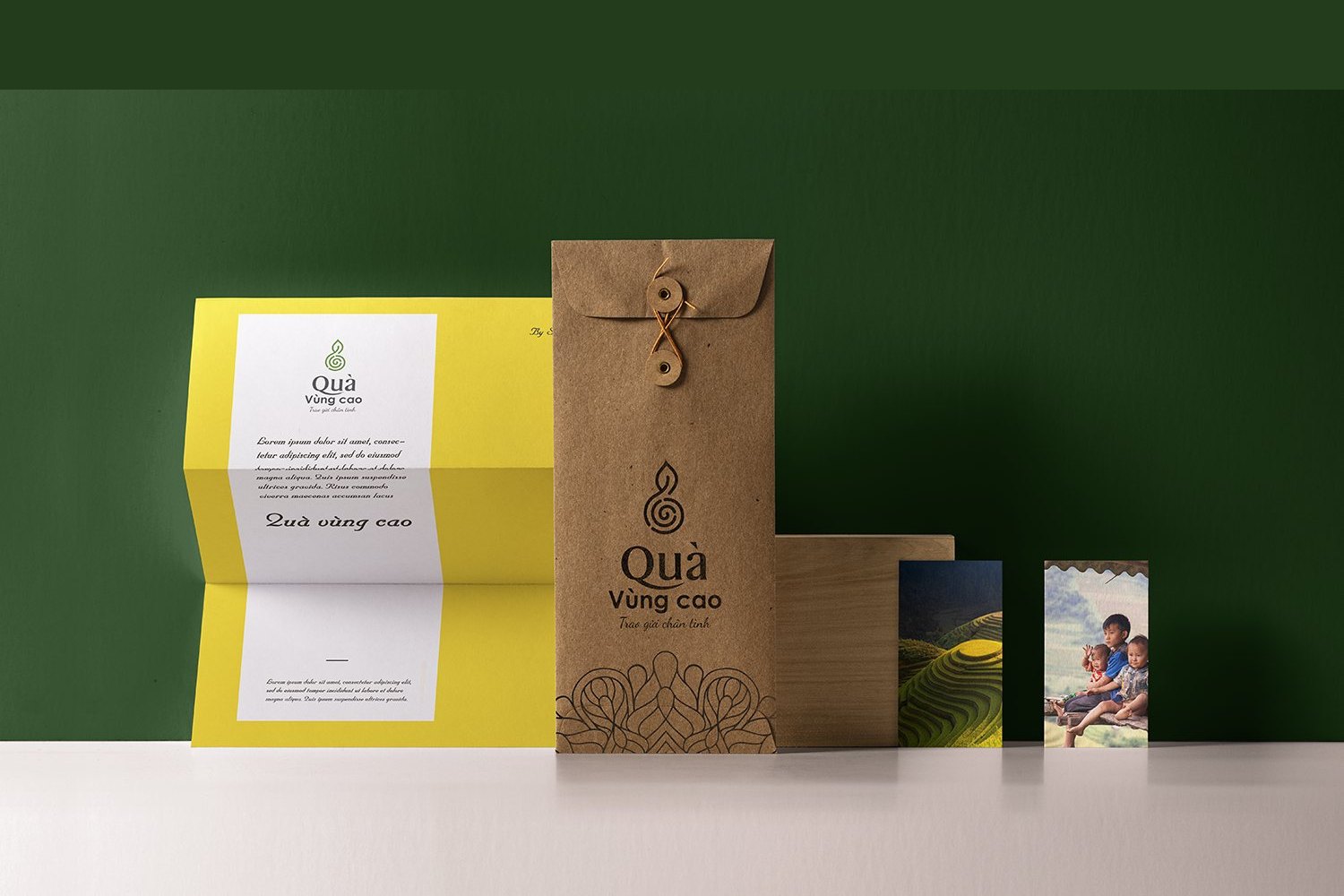
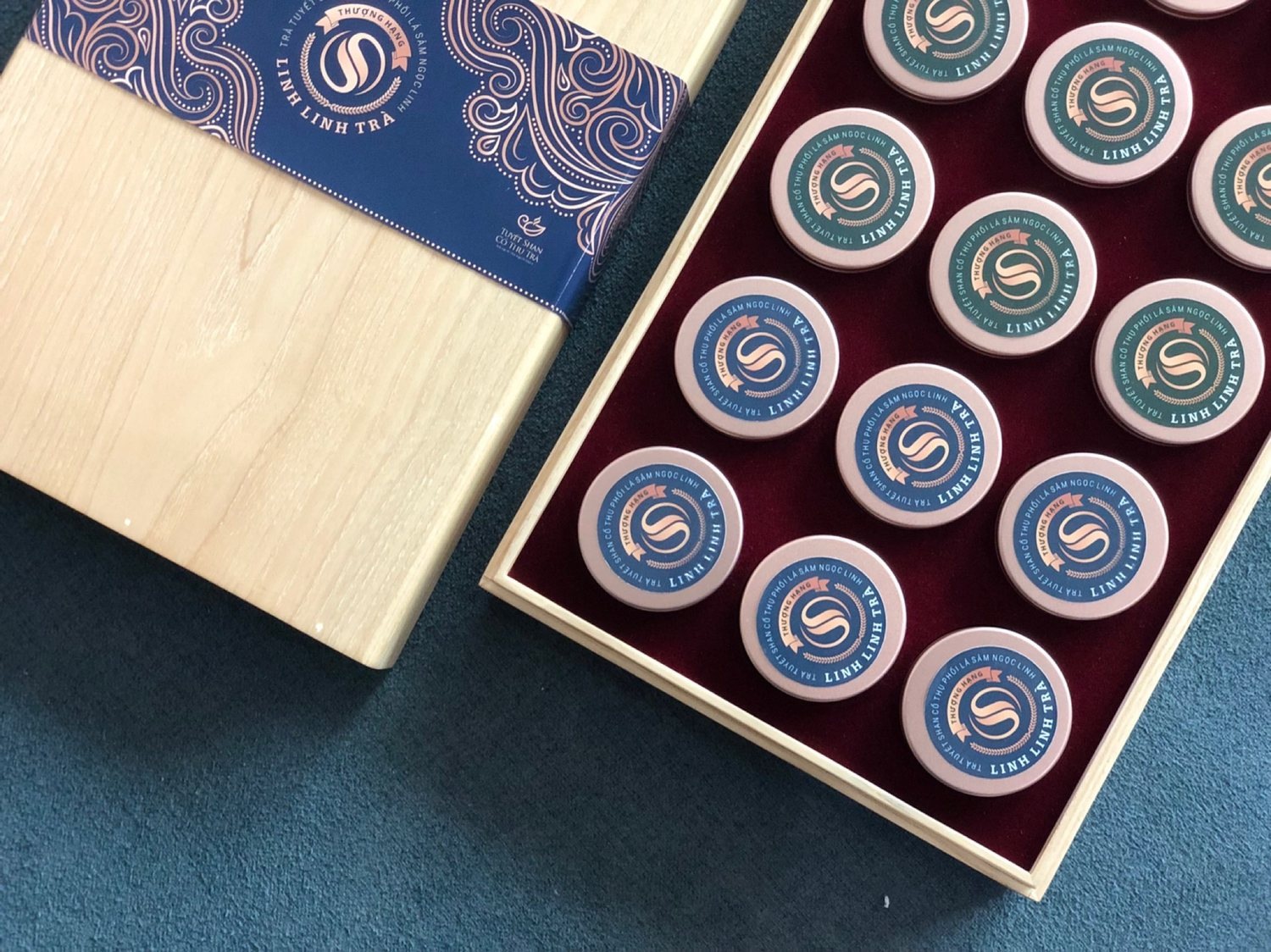
Sinh Vũ has not published a project explicitly labeled as an OCOP product. The three projects below are the closest: a highland specialty, a precious product of one region, and a community product.

Further reading08

More on regional OCOP specialties

Free toolTouchpoint map for this business modelSee the five stages customers pass through, where they drop off most, then rate the five touchpoints to fix first.Open the tool Free toolMandatory label check (Vietnam)Choose a product type, paste the label text or drop a photo of the label, and see which mandatory items under Vietnamese law are not found.Open the tool
FAQ09

Frequently asked questions

Usually yes, because packaging made for trade fairs rarely has room for the barcode, secondary labels and shipping carton size. You can also keep the familiar imagery and rebuild the frame to the shelf standard.

Take the imagery from your own craft, objects, brocade or landscape, instead of bamboo, rice stalks and red and gold. The box should be easy to hold and explain why it is worth giving.

It needs a short guideline and ready-made label templates, so each household only fills in the product name. Shoppers then see one house, even with many households making it.

The product and specifications, current certification, supply capacity and how to get in touch. Keep it to a few pages, quick to read in a meeting.

Tell the maker and the craft through real photos and a few short lines. Shoppers need to see the skill and the time that went into the piece, not ethnic motifs placed just to fill the space.

Tell Sinh Vũ about your product

A few lines about the product, the place it is made and what is holding you back are enough. Sinh Vũ reads it and replies within one working day.