Agriculture, aquaculture, and OCOP

Brand design for spices and specialty foods

Vietnamese spices deserve to stand next to imports right on the shelf.

Vietnam is among the world's leading exporters of pepper, cinnamon and star anise, yet many companies are still stuck at deep processing and named retail. Sinh Vũ gives your spices a name, a region, and a jar and bag to sell directly.

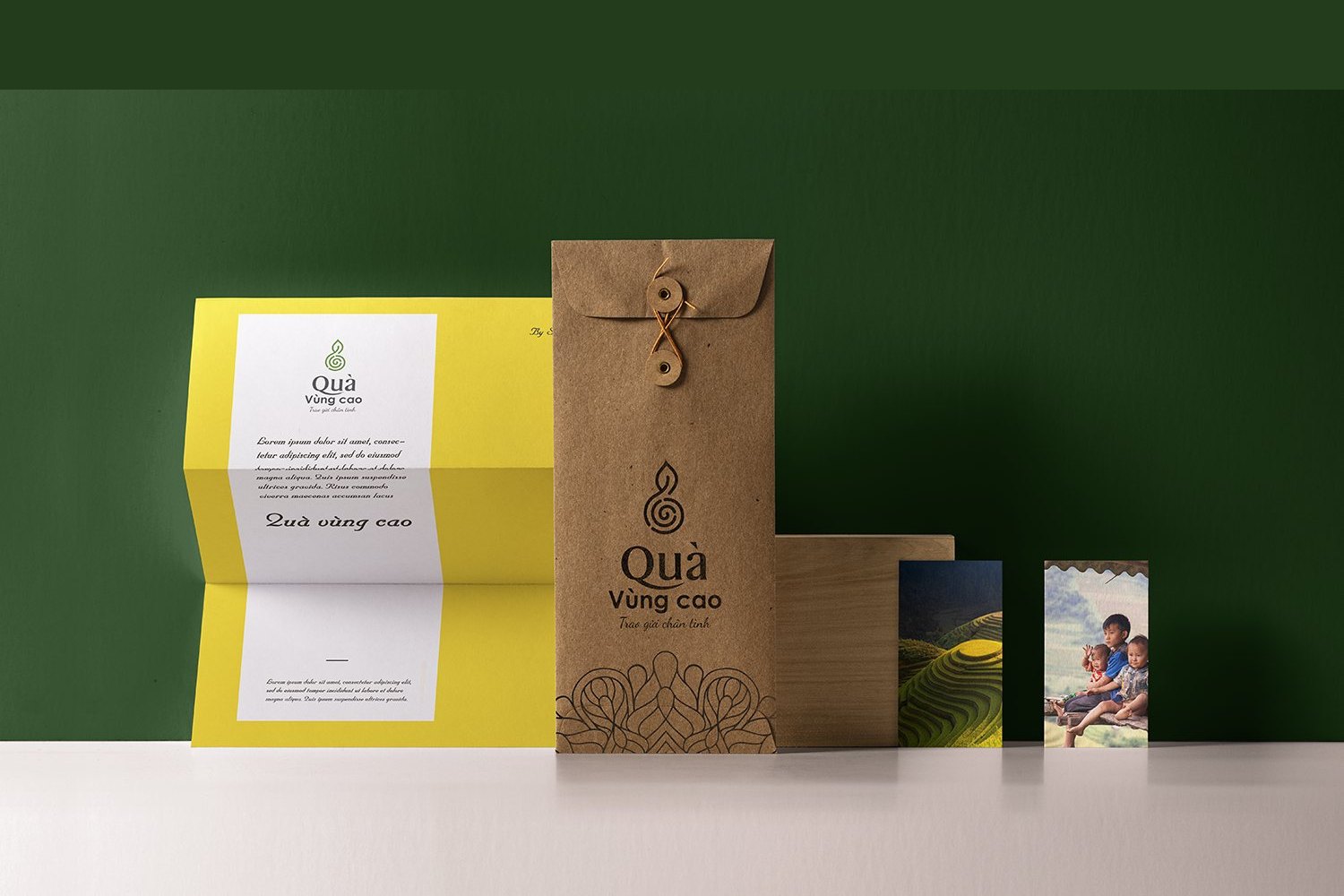
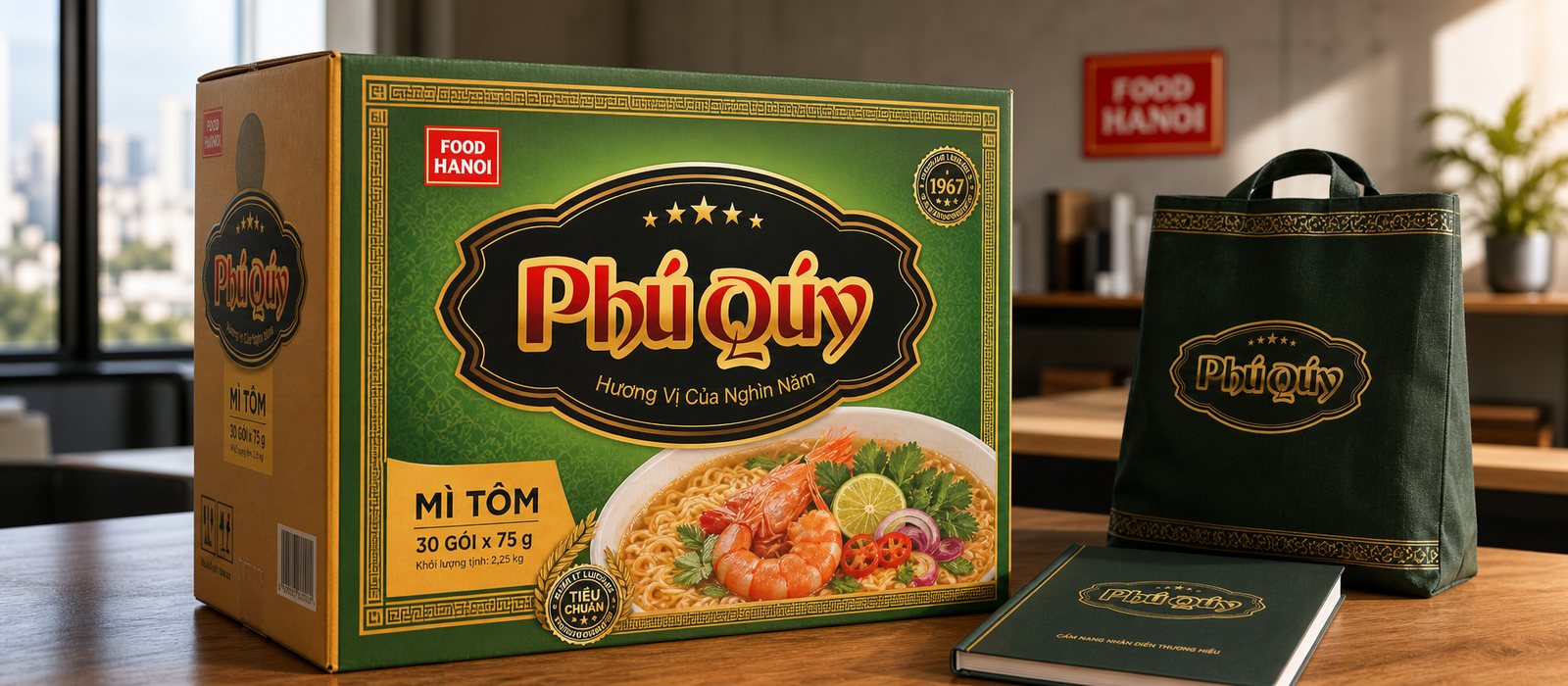
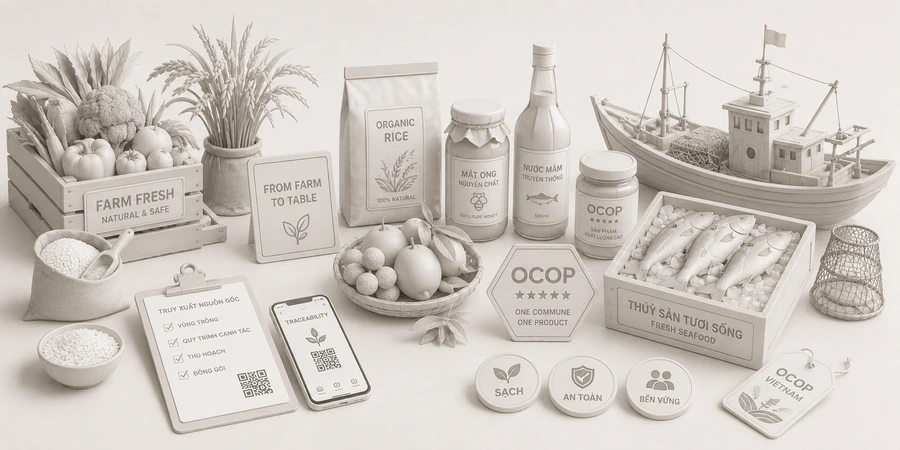
A sample print set for specialty spices: a spice jar, a pepper bag, a gift box and a regional story card
Quick answer01

What does a specialty spice brand need?

Three things first: a short and true regional story, a jar or bag that keeps the aroma and looks clean, and one shared identity for the whole line. Together they let Vietnamese spices sell at retail, not just as raw material.

  1. A short regional story

    The growing region, the harvest season and the drying method told on one small card.

  2. A jar or bag that keeps the aroma

    Airtight material, a tidy layout, and enough white space to look clean and read clearly.

  3. One shared system for the whole line

    Pepper, cinnamon and star anise from one house: different colors, the same layout, so shoppers add to their basket easily.

Business types02

Three kinds of product, three problems

All of it is spice and specialty food, but the shoppers and the occasions differ, so what the packaging has to say differs too.

Pepper and dried spices

Their customersHome cooks, professional kitchens and gift shoppers.

Brand challengeBreak away from the look of ordinary market goods: show shoppers the region, the season and the cleanliness of the pack.

Cinnamon and star anise

Their customersPeople cooking Vietnamese dishes like phở, bún and cakes; shoppers buying regional gifts.

Brand challengePack it as something with a clear aroma and easy to use, rather than dry sticks in a bag; tell the buyer how to use it.

Honey and nutritious nuts

Their customersFamilies buying for daily use and for gifts; gift shops.

Brand challengeLet shoppers trust the origin and authenticity of the product, since this is a kind of shopper who often doubts.

Pain points03

Four pain points specific to spices

These are the places where Vietnamese spices lose shoppers and flavor can't save them.

02

Packaging that can't stand next to imports

Imported spice jars are tidy, clean and clear in type; the domestic bag looks makeshift.

Make jars and bags to a modern retail template: airtight lid, white space, clear type, information in order.

Start from this problem
04

A spice gift box that blends into other Tet gift boxes

The box blends in with dozens of red and gold boxes; the giver can't say why they chose it.

Build the box around its use: one spice set for one dish, with a cooking guide card, so the box is both handsome and usable.

Start from this problem
Customer journey04

At which stage do spices lose the most shoppers?

At the Buy stage. Among spice jars of the same kind, shoppers choose by a feeling of clean and trustworthy. If the jar can't say why it is worth choosing, shoppers buy the familiar pack beside it.

Where customers are most often lostBuy
Do this now
  1. Put the spice name and region on the front, and the short story on the back.
  2. Add a small card suggesting use for a specific dish, so shoppers see they can use it right away.
  3. Photograph the spices to one shared template so the whole line reads as one house.
Touchpoints05

Five touchpoints to do first

Touchpoints are the places where shoppers look at, touch or read about your spices. You don't need to do everything at once. These five touchpoints decide most of the impression.

  1. Spice jar, spice bag

    It is what shoppers pick up and compare with the goods beside it.

  2. Gift box

    For gifts, the box has to say by itself why it is worth giving.

  3. Regional story card

    Gives shoppers a reason to trust the origin without having to ask.

  4. Sales page

    Online shoppers have only photos and words to decide.

  5. Photos of the spices and the growing region

    Real images of the raw material make shoppers trust more than a description does.

Roadmap06

Where Sinh Vũ suggests starting

In the order to do them. A small producer can stop at step two or three; a larger brand goes all the way.

  1. Logo and Brand Identity Design

    Name, mark and colors: the base for the whole spice line.

  2. Product packaging design

    Jars, bags and gift boxes to a modern retail template.

  3. Building brand voice

    A way to tell the region, the season and the method in a true voice.

  4. Product and brand photography

    Photos of the spices, the growing region and the people, in one shared template.

  5. Brand website design

    A sales page for distant shoppers.

Projects07

Projects closest to spices

Sinh Vũ has not published a pepper or cinnamon and star anise project. The two projects below are the closest: gathering many forest gifts under one face, and a packaging system that includes iodized seasoning salt.

Further reading08

More on spices and specialty foods

Free toolTouchpoint map for this business modelSee the five stages customers pass through, where they drop off most, then rate the five touchpoints to fix first.Open the tool Free toolMandatory label check (Vietnam)Choose a product type, paste the label text or drop a photo of the label, and see which mandatory items under Vietnamese law are not found.Open the tool
FAQ09

Frequently asked questions

A jar suits retail spices and gifts because it is airtight and stands up on the shelf; a bag suits refills and bulk goods. Many brands use both within one system.

State clearly where it was gathered, in which season and by what method, with photos of the real makers. Say only what can be proven, and avoid big words with nothing behind them.

Learn from the tidiness of imports: airtight lid, white space, clear type. What imports don't have is your own real growing region, so put it on the front.

Keep the layout, type and mark shared, with one color per kind. Shoppers who see one kind recognize the whole line, and add other kinds more easily.

Build it around its use: one set for one dish, with a cooking guide card. Avoid red and gold boxes with familiar motifs, since the giver can't say why they chose it.

Tell Sinh Vũ about your spices

A few lines about the product, the place it is made and what is holding you back are enough. Sinh Vũ reads it and replies within one working day.