Real estate and construction

Brand design for real estate and construction

A project sells out and moves on. The developer's name has to stay.

Buyers commit a large sum to something not yet built. They are trusting the people behind it. Sinh Vũ makes that trust visible and lets it compound from one project to the next.

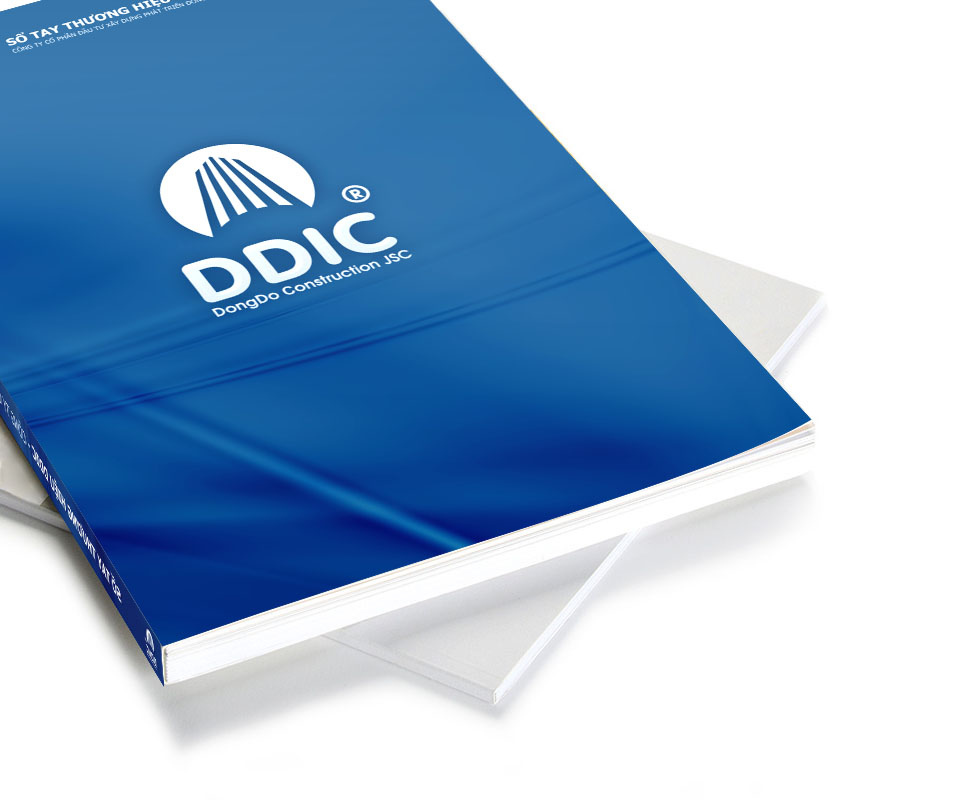
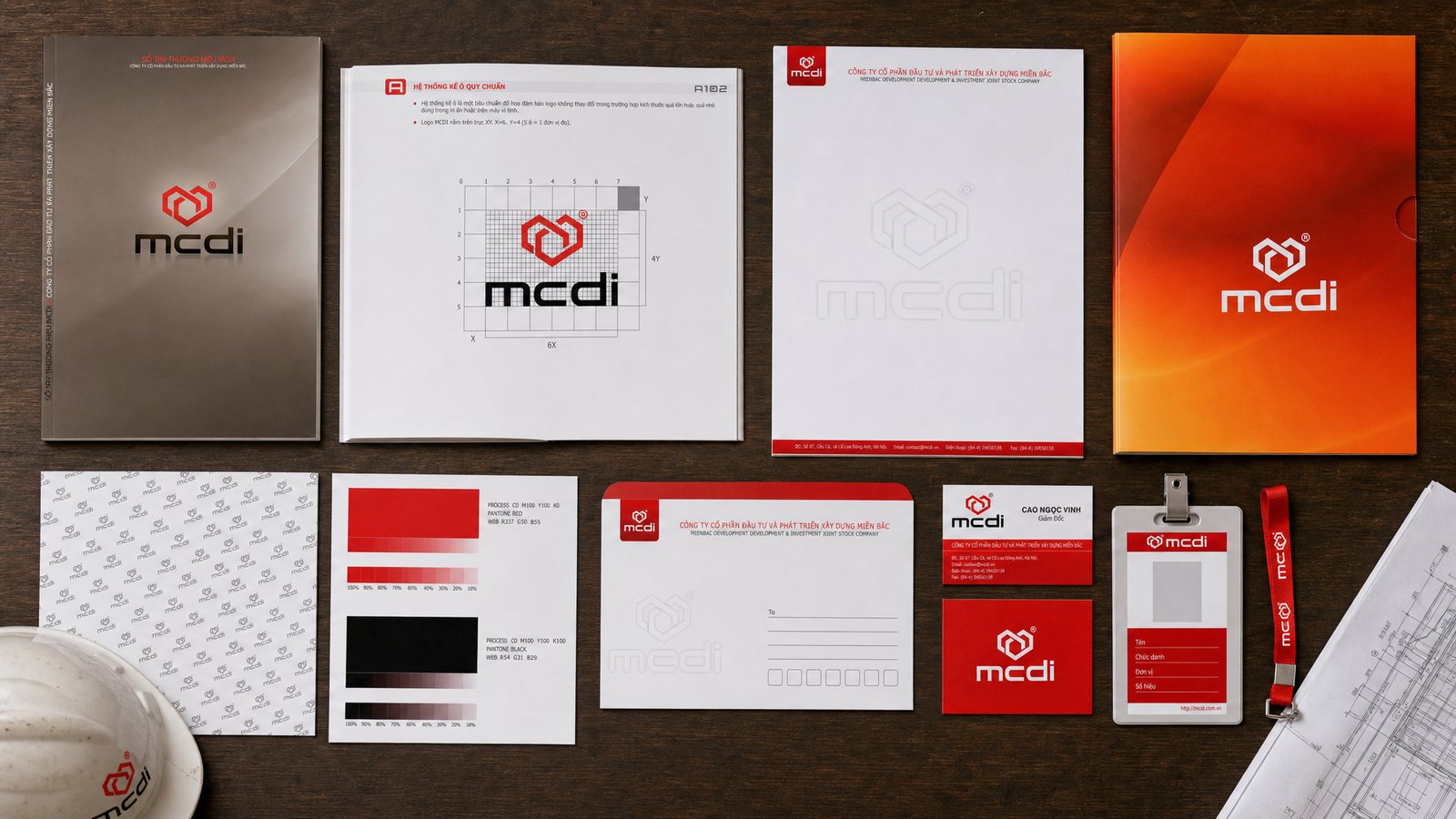
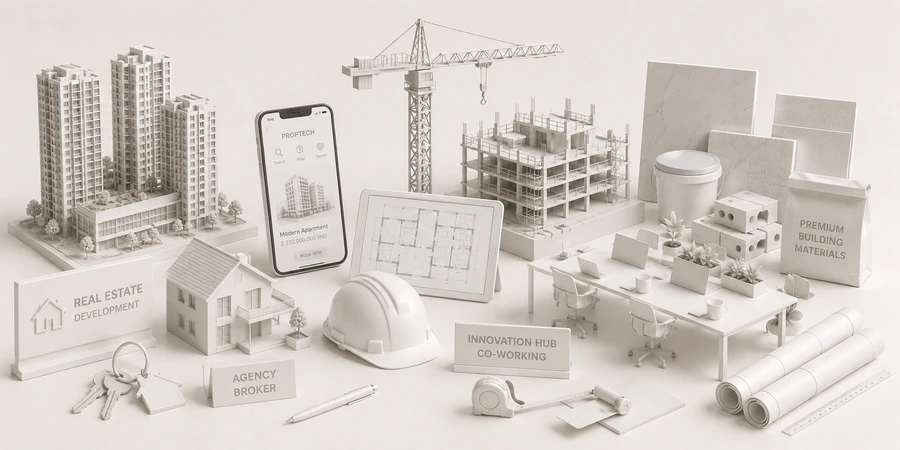
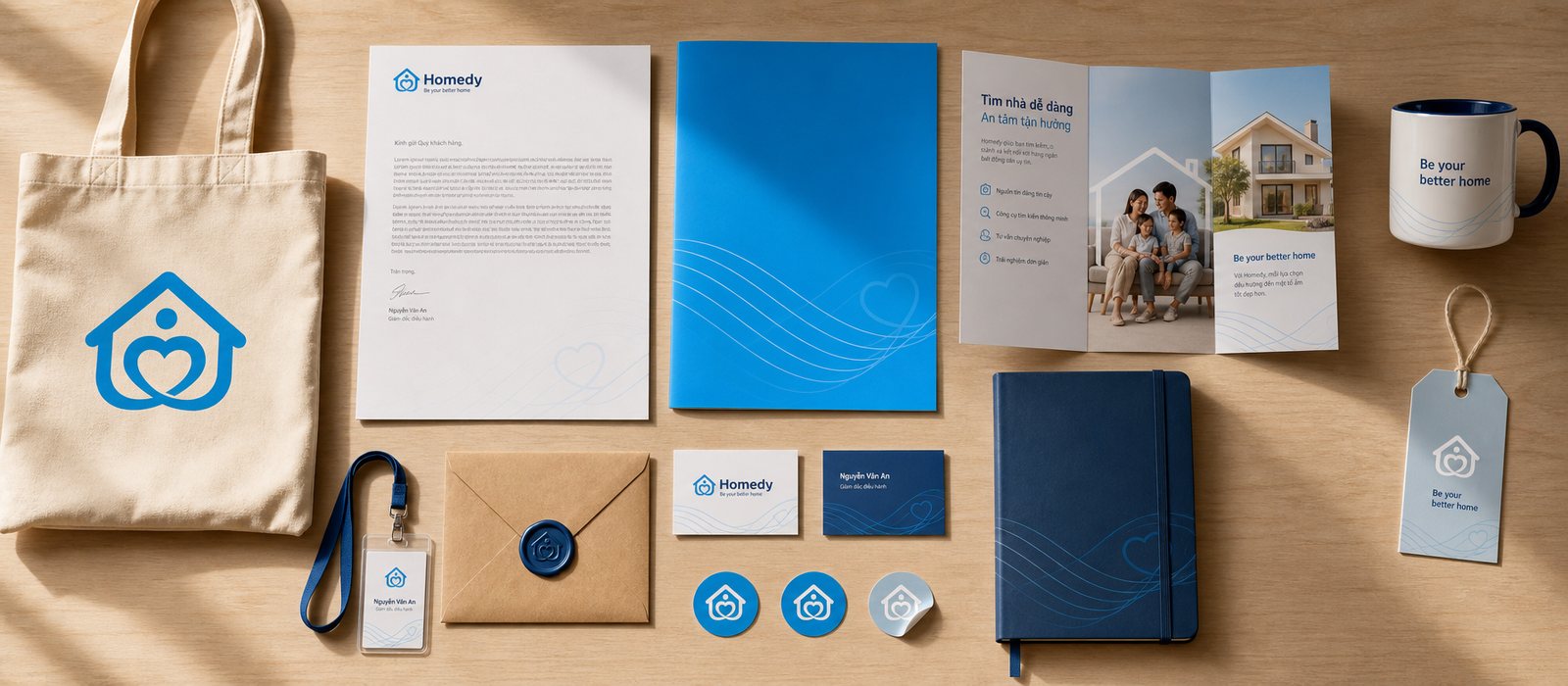
A sample set of collateral for a real estate and construction brand: a project brochure, a site hoarding sign, a company profile and material swatches
Industry landscape01

Where does real estate stand in Vietnam?

The market is warming up again, new supply rose sharply in 2025, and the law in force since 2025 requires more disclosure. Buyers have plenty of projects to compare, so a clear developer name is worth more.

1 Jan 2025

The 2023 Law on Real Estate Business took effect. Article 6 requires businesses to disclose project information before putting a project on the market, on the national information system and on the business's own website

Source: Law on Real Estate Business No. 29/2023/QH15, Article 6
3,297

real estate projects nationwide, about 5.9 million units in total, according to a 2025 Ministry of Construction report. New supply in 2025 grew about 50% over 2024 (preliminary figure)

Source: Đại biểu Nhân dân newspaper, 28 Dec 2025, citing a Ministry of Construction report

Advantages

  • Reputation compounds across projectsEvery project delivered on time makes the next one easier to sell, as long as the developer's name is remembered.
  • Plenty of big touchpointsShow homes, construction sites and launch events are real stages for telling the story.
  • Buyers do their homeworkThey read the documents and check the track record, so clear information pays off.

Challenges

  • The project is famous, the developer is invisibleEvery project gets its own name and look, and once it sells out, buyers forget who stood behind it.
  • Trust has been damagedAfter the late-handover cases, buyers doubt every promise.
  • Contractors and material makers struggle to stand outEvery company profile looks the same, so people choose on price.
Profiles02

Which stage are you at?

Each stage has its own brand problem. Once you know yours, you know what to do first.

A developer about to launch a project

  • Naming the project, building the show home, printing sales materials
  • Unclear how the project and the company relate to each other
Do this first
Settle the brand architecture first: how the project carries the developer's name. Then design the project.
A developer with several projects

  • Every project has a different face
  • Buyers of an older project don't know the new one comes from the same developer
Do this first
Build the developer brand as the trunk, with the projects as branches.

A brokerage or real estate services firm

  • Distributing many other developers' projects
  • Each agent makes their own business cards and writes their own posts
Do this first
Find what makes your brokerage different, then give every agent one shared toolkit.

A contractor or building materials manufacturer

  • Bidding for tenders and pitching to businesses
  • A company profile that looks like every other company's
Do this first
Tell your capability through built projects and verifiable figures, in a profile that can actually be read.
Pain points03

Six pain points design can fix

Design can't replace schedule and build quality. But it can fix the pain points that make buyers hesitate even when the project is good.

Customer journey04

Where do buyers decide to commit?

Buyers go through five stages before they sign. Wherever the brand falls short, that is where the buyer is lost.

  1. Awareness

    See an ad, hear from an acquaintance, drive past the site.

    Common mistakeThey remember the project but not the developer.

  2. Research

    Read the materials, check the legal status, look at what the developer has built.

    Common mistakeLegal and schedule information is hidden behind renders.

  3. Visit

    Go to the show home, meet the agent, tour the site.

    Common mistakeA beautiful show home, but each agent says something different.

  4. Signing

    Pay the deposit, sign the contract, follow progress.

    Common mistakeSilence from signing until handover day.

  5. Living there and referring

    Take handover, live there, tell people they know.

    Common mistakeDaily life doesn't match what was promised at the sale.

Segments05

Six segments, six ways to keep your word

Developers sell reliability, brokerages sell expertise, digital platforms sell transparency, and contractors and material makers sell capability that can be verified. Each segment has its own page going deeper into pain points and methods.

What changes06

What changes with Sinh Vũ alongside you?

Sinh Vũ doesn't promise faster sales. Its job is to let your reputation compound from one project, one build, to the next.

Every project is built up from scratch

A new project inherits the reputation of the last

Every agent says something different

The whole team shares one toolkit and one way of speaking

A company profile nobody reads to the end

Tender evaluators see a few credible projects at a glance

Good materials, compared on price

Dealers have enough reasons to recommend the better product

Roadmaps07

The right services for your scale

Three roadmaps by scale. Every roadmap does the core first, and the rest only when it is really needed.

Further reading09

More on real estate and construction

Free toolTouchpoint map for this industrySee the five stages customers pass through, where they drop off most, then rate the five touchpoints to fix first.Open the tool Free toolTest designs at real sizePackaging in a marketplace grid and on a shelf two meters away; a logo at avatar size and as a browser tab icon.Open the tool
FAQ10

Frequently asked questions

Settle the developer brand first, and how each project carries the developer's name. If you do the project first, every project becomes a separate brand and reputation doesn't compound.

The project name and logo, color, type, sales materials, a project website, site hoardings, show home, sales counter, and a toolkit for agents.

The 2023 Law on Real Estate Business (No. 29/2023/QH15) requires project information to be disclosed before the project goes on the market. Specific advertising copy should be reviewed by the developer's lawyer before it is printed.

A few signature projects with role, scale and timeline; equipment and people capability; certifications. Lead with what is asked most often, and don't list everything.

The core identity usually takes a few weeks, and sales materials and the show home follow the launch schedule. Timing for each item is on the matching service page.

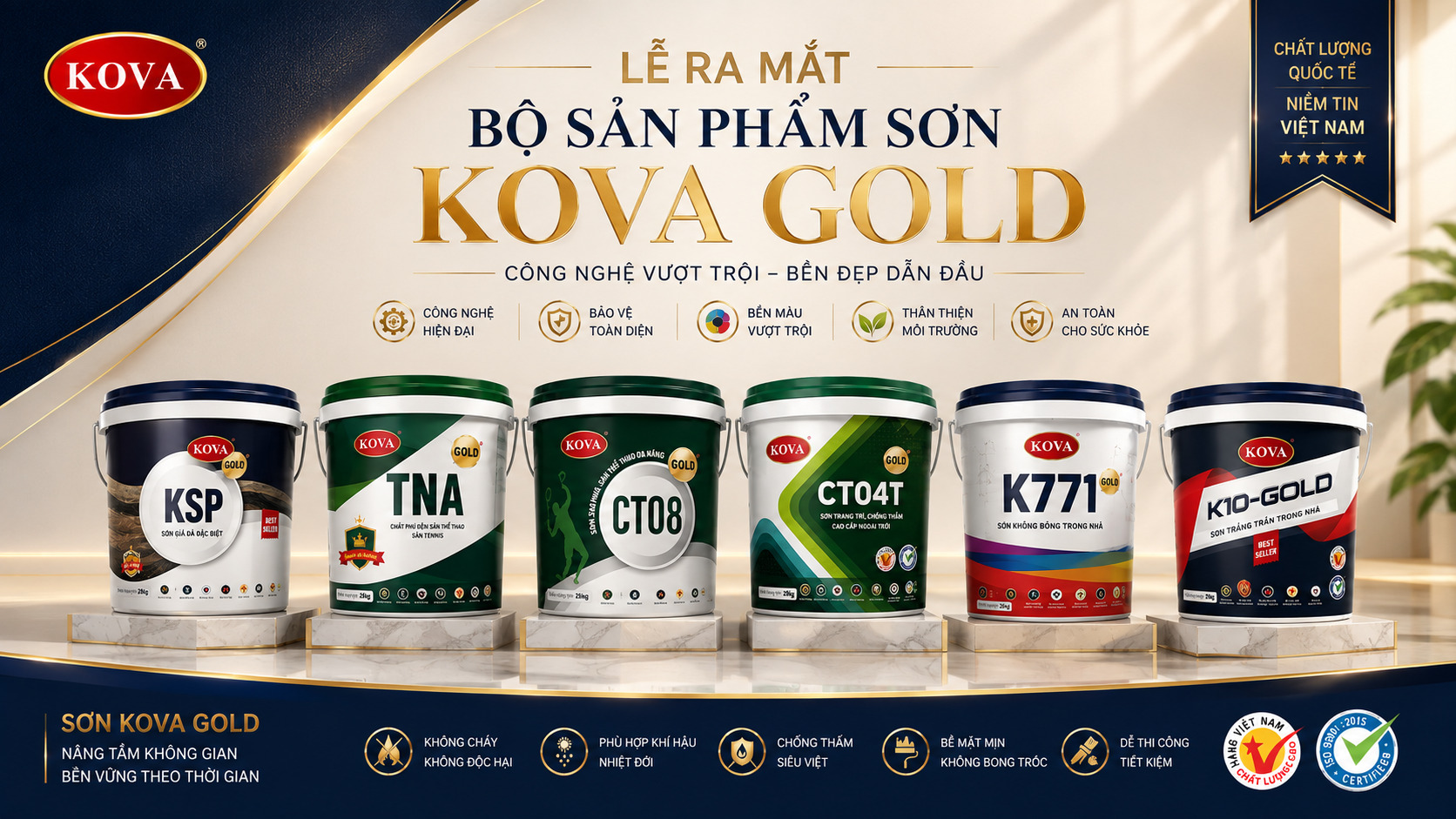
KOVA (paint), Homedy (real estate platform), DDIC (construction investment), mcdi (infrastructure contractor), MASTER DOOR, Dasanyuan and Engines (roller shutters, equipment), and kythuat.work (apartment technical services).

Tell Sinh Vũ about your project

A few lines about your project or company and what is holding you back is enough. Sinh Vũ will read it and reply within one working day.