Real estate and construction

Brand design for paint, tile, doors and finishing materials

Your product sits in someone's home for decades, yet the person who chooses it meets it for only a few minutes.

Paint, tile, doors and equipment are usually chosen through dealers and tradespeople. Sinh Vũ makes the packaging, catalog and point of sale give one reason to choose you, from a shelf in a far province to a color chart on a contractor's desk.

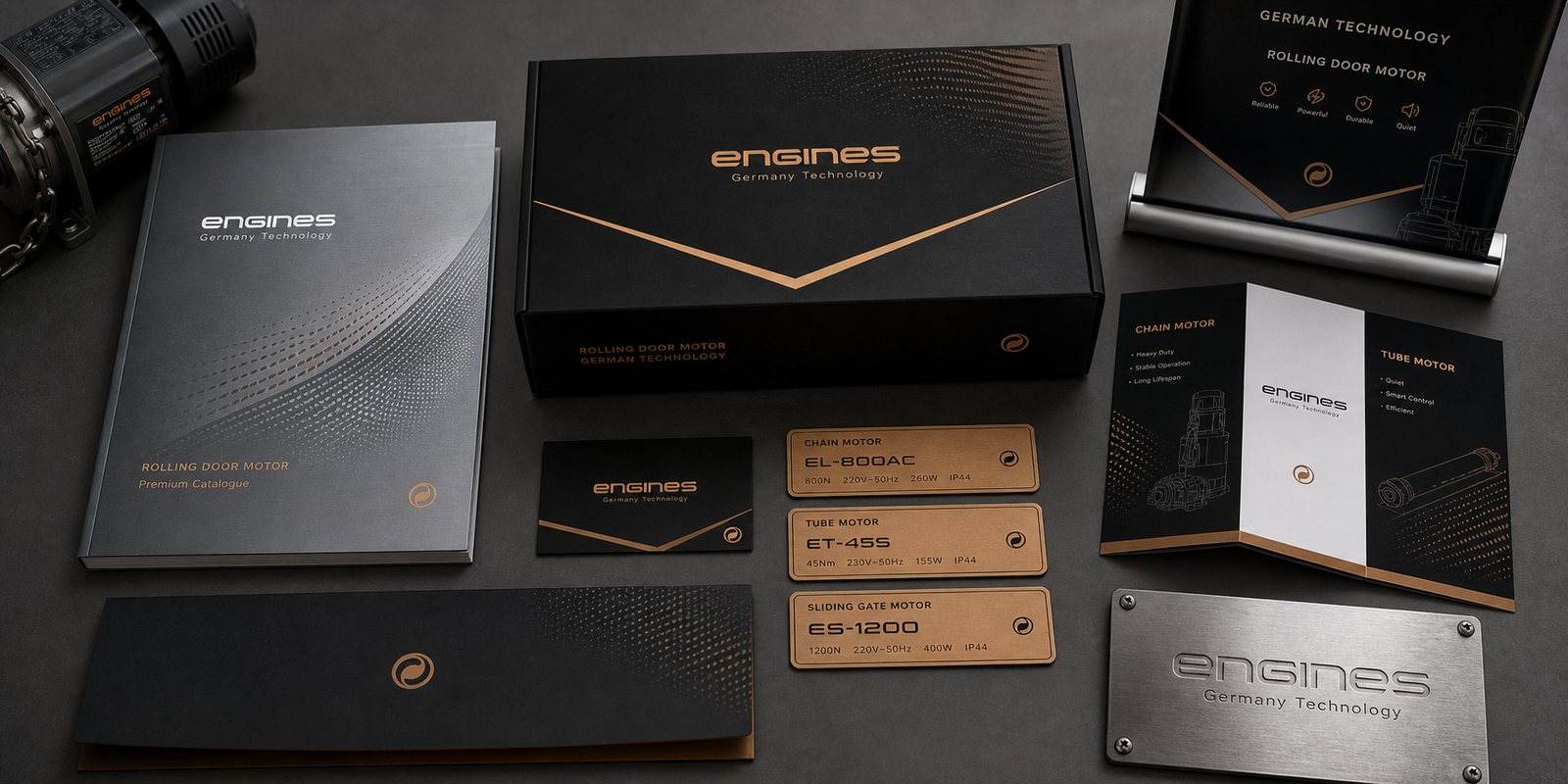
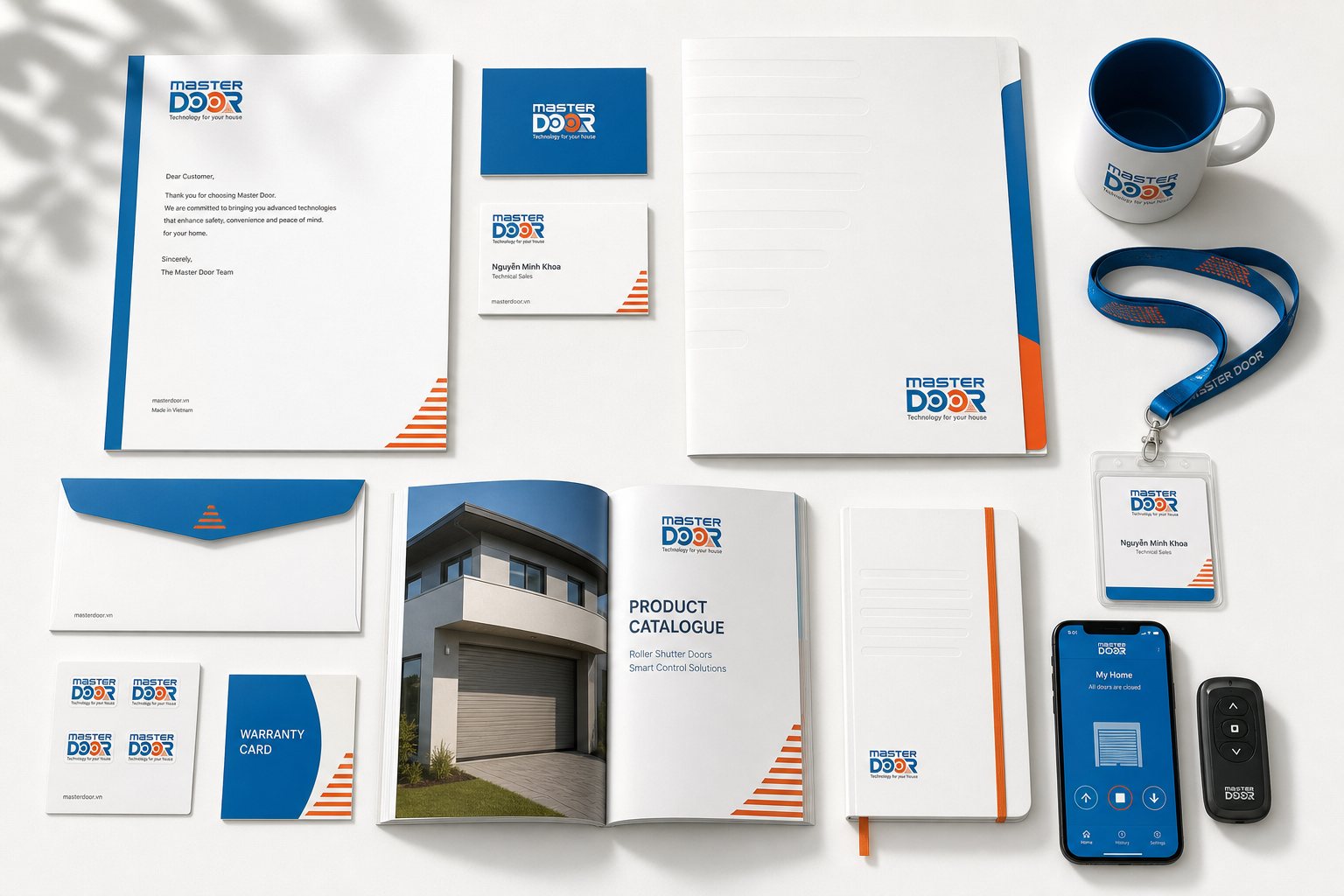
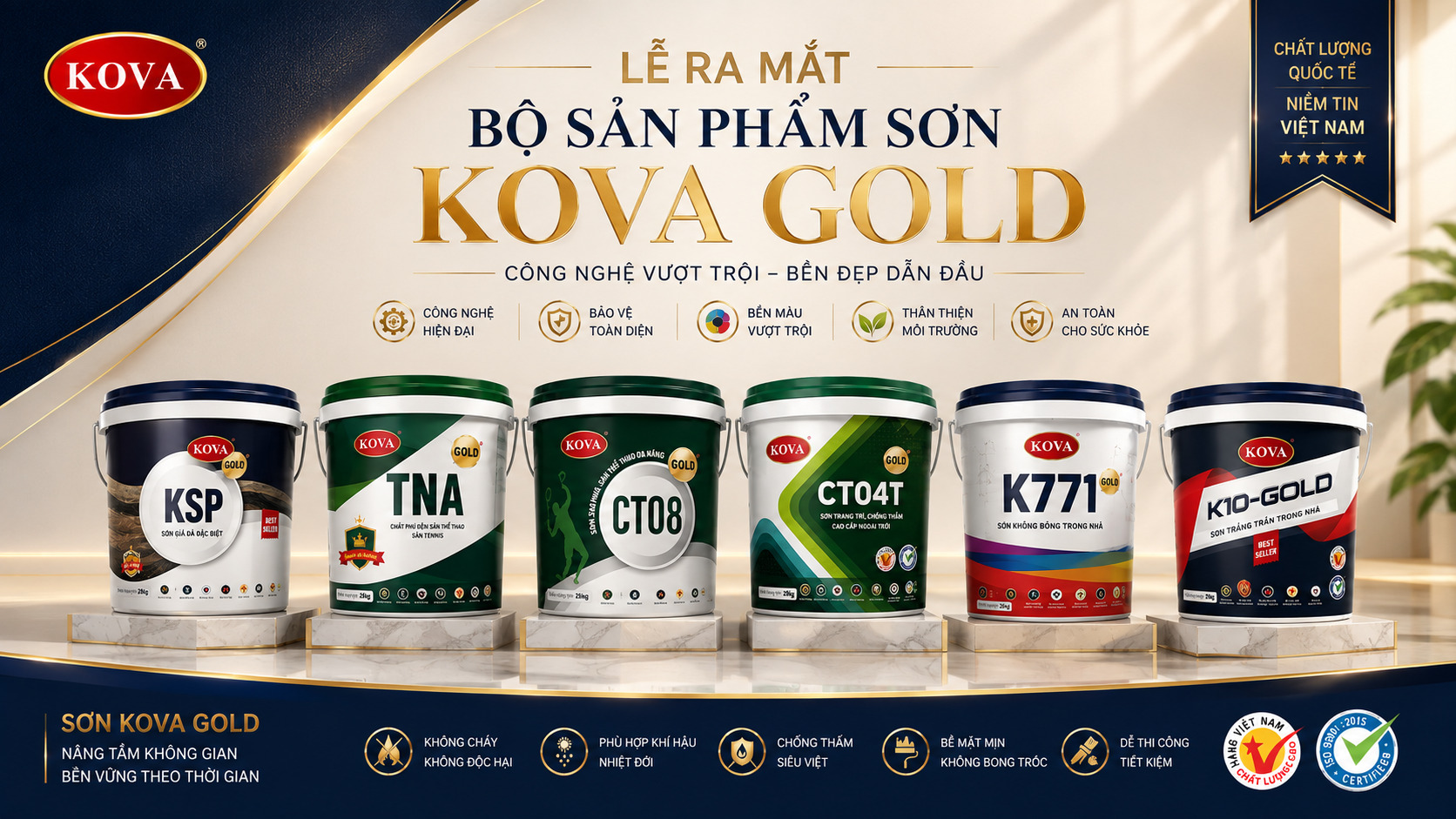
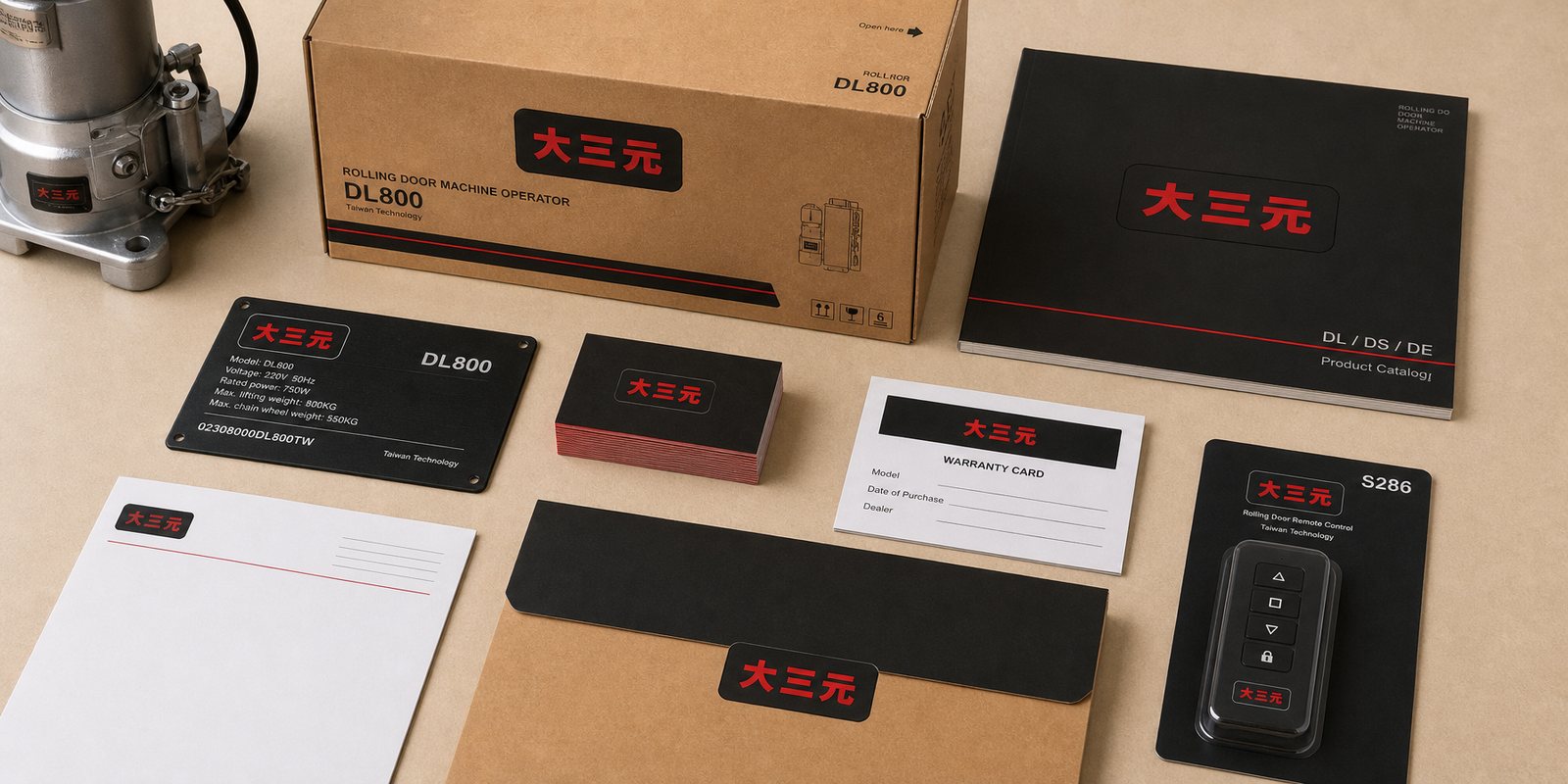
A sample collateral set for a finishing materials brand: multi-line packaging, a color chart, a technical catalog and a dealer sign
Quick answer01

What do paint, tile and door brands need?

Three things: one shared template for the whole product family, a set of materials for each kind of buyer, and standards for how dealers display. With those three, a brand gets recognized from a distance and chosen for a clear reason.

  1. One template for the whole product family

    Packaging, labels and the code system sit on one frame, so a new line never means redrawing.

  2. Materials for each kind of buyer

    Tradespeople need specifications they can look up fast, homeowners need real examples, dealers need a reason to recommend.

  3. Standards for the point of sale

    Signs, shelves, color charts and material samples follow one standard, the same in every province.

Business types02

Three kinds of material, three problems

Each group of materials is chosen in a different way.

Paint, coatings

Their customersHomeowners choose by color and the tradesperson's word; dealers and contractors choose by product line.

Brand challengeMany product lines, many dealers: keep color and packaging from drifting between where it is printed and where it is sold.

Tiles, cladding stone

Their customersHomeowners and architects choose by sample, color and how it looks in person.

Brand challengeLet buyers see the character of the material through samples, real project photos and the way it is displayed.

Doors, home equipment

Their customersHomeowners choose through installers and dealers, and installers usually choose by specification and trust.

Brand challengeSpecifications are nearly identical, so the identity and the code system must help installers recognize and look things up fast.

Pain points03

Four pain points specific to materials makers

These are the places where materials brands tend to get diluted as they pass through dealers and contractors.

01

Many product lines, each in its own style

Each new line steers away from the one before, and by the tenth there is nothing left to steer away from, so the shelf looks scattered.

Build the shared template before drawing any line: layout, type, color, carton size and a readable code system. Each new line just fills in the template.

Start from this problem
03

Tradespeople and homeowners listen to others

Buyers usually follow the recommendation of the tradesperson or dealer, so the brand is named only when someone else names it.

Make separate materials for each person: a quick-reference chart for tradespeople, project examples for homeowners, reasons to recommend for dealers.

Start from this problem
Customer journey04

At which stage do materials brands lose the most buyers?

At the stage of choosing at the point of sale. Buyers stand before many similar products and usually listen to the seller. If the point of sale can't say why to choose this brand, the dealer's words decide.

Where customers are most often lostChoosing at the point of sale
Do this now
  1. Have a board or sample chart that gives the reasons to choose the brand in a few sentences, for the dealer to follow.
  2. Display real samples: printed colors, surfaces you can touch, with photos of projects that used them.
  3. Put specifications you can look up by code right where the goods are displayed, so no one has to dig through a catalog.
Touchpoints05

Five touchpoints to do first

Touchpoints are the places where buyers meet the brand. You don't need to do everything at once. These five decide whether the brand is remembered when it stands beside others.

  1. Packaging

    The last touchpoint on the shelf, where the identity meets the buyer.

  2. Technical catalog

    Tradespeople, contractors and architects use it to look things up and compare.

  3. Dealer signs and points of sale

    Where customers meet the brand most, and also where it drifts most easily.

  4. Color charts, material samples

    Buyers see and touch them directly before deciding.

  5. Photos of finished projects

    They show the product in a real home, which is more credible than advertising.

Roadmap06

Where Sinh Vũ suggests you start

Listed in the order to do them. A brand with few product lines can stop at step two or three; a brand with many lines and many dealers goes all the way.

  1. Logo and Brand Identity Design

    Mark, color and type: the foundation for every product line.

  2. Product packaging design

    A shared packaging template and a code system for the whole product family.

  3. Sales and marketing collateral design

    A technical catalog, color charts and materials for tradespeople and dealers.

  4. POSM and event booth design

    Dealer signs, display shelves and a sample corner at the point of sale.

  5. Brand guidelines handbook

    A handbook so hundreds of dealers do it alike.

Projects07

Projects closest to materials makers

Sinh Vũ has built the brand for a paint company and for several makers of doors and home equipment. Sinh Vũ has not published a tile or cladding stone project.

Further reading08

More on construction materials

Free toolTouchpoint map for this business modelSee the five stages customers pass through, where they drop off most, then rate the five touchpoints to fix first.Open the tool Free toolTest designs at real sizePackaging in a marketplace grid and on a shelf two meters away; a logo at avatar size and as a browser tab icon.Open the tool
FAQ09

Frequently asked questions

A label system for each line, the main color chart, print standards with a clear color system and resolution, and standard carton sizes. When it is done, printers need guidance so color doesn't drift between locations.

Put first a specification table you can look up by code, photos of projects that used the product, and short installation guidance. The technical figures are supplied and confirmed by the brand; design handles presentation that is easy to look up.

Give dealers a display handbook with ready dimensions and sample layouts. When they know what is right, they do it right without being reminded.

Yes. A short, readable code system tied to the main specification helps sellers look things up fast and buyers understand which line they hold. When a model is added later, the table still doesn't break.

Not yet. The minimum is a mark, color, type, a packaging template and a specification sheet. Dealer signs and the handbook come when the dealer network grows.

Tell Sinh Vũ about your product

A few lines about the product, the dealers and what is holding you back is enough. Sinh Vũ will read it and reply within one working day.