Real estate and construction

Brand design for developers and real estate projects

Buyers put down a deposit on a project, but the first thing they check is who is behind it.

Every project has its own name, while the developer stays after every handover. Sinh Vũ makes the developer's name clear within each project, so the reputation of one project adds to the next.

A sample collateral set for a developer: a project leaflet, a site hoarding sign, a show home and a progress letter under one identity
Quick answer01

What do developer and project brands need?

Three things: a rule for how projects carry the developer's name, a set of materials that answer exactly what buyers ask, and a show home and construction site that speak in the same voice. Miss one, and buyers have to go and check for themselves what should be visible at a glance.

  1. The developer's name as the trunk

    Every project carries the developer's name in a set way, so viewers know at once who is behind it.

  2. Materials that answer the right questions

    Who builds it, which projects have been delivered, where the project's public information is: put it where it is easy to find, not behind the renders.

  3. A show home and site in one voice

    Site hoarding, sales counter, show home and materials look like they come from the same house.

Business types02

Three kinds of project, three problems

They are all developers, but buyers of each kind of project look for different things.

Urban developments

Their customersFamilies buying to live long term and long-term investors, who often look at several phases of the same development.

Brand challengeThe brand has to last through many construction phases and many zones, so that a resident in year one and in year five still sees the same place.

Premium apartments

Their customersBuyers who plan to live there or hold the asset, comparing many projects in the same segment before committing.

Brand challengeDifference lies in refinement and consistency from the materials to the show home, when many projects in the same segment look almost alike.

Resort real estate

Their customersBuyers who decide on emotion and lifestyle, often live far away and see the project only a few times.

Brand challengeLet viewers feel the place through images and materials, while the project information stays clear enough for them to trust.

Pain points03

Four pain points specific to developers

These are the places where developers tend to lose buyers' trust, and build quality alone can't fix them.

04

A project website that says nothing about the developer

The project page has only renders and a button to leave a phone number; to find out who is behind it, you have to look elsewhere.

Add a section on the developer within the project page: delivered projects, links to the project information already disclosed, a contact person.

Start from this problem
Customer journey04

At which stage do developers lose the most buyers?

At the Research stage. Before they reach the show home, buyers have read the materials and checked what the developer has built. Faced with materials that are all renders, they go and look at another project.

Where customers are most often lostResearch
Do this now
  1. Place an About the developer section next to the project information, listing delivered projects with their handover years.
  2. Put the project information the developer has already disclosed at the top of the page, ahead of the renders.
  3. Use one template for every progress update, with a date and a site photo.
Touchpoints05

Five touchpoints to do first

Touchpoints are the places where buyers see, touch or read about the project. You don't need to do everything at once. These five decide most of the impression of who is behind it.

  1. Brand architecture

    The rule for how a project carries the developer's name is the foundation for everything done afterward.

  2. Project brochure

    It is what buyers read most closely before the show home and take home to ask their family about.

  3. Project website

    Buyers check here first, and often again after visiting the show home.

  4. Show home and sales counter

    The place where buyers meet the seller and compare the promise on paper with what they see.

  5. Site hoarding

    Passersby see it before they hear any advertising, and it stands there for the whole construction period.

Roadmap06

Where Sinh Vũ suggests you start

Listed in the order to do them. A first project goes through all five steps; a developer with several projects should start at step one so later projects inherit it.

  1. Brand strategy and positioning consulting

    Settle the developer's position and how each project carries the developer's name.

  2. Logo and Brand Identity Design

    Mark, color and type for the developer and for the project, from one family.

  3. Sales and marketing collateral design

    The brochure and a toolkit for the sales team, answering exactly what buyers ask.

  4. Brand website design

    A project website with a section on the developer and a place for progress updates.

  5. POSM and event booth design

    Show home, sales counter and site hoarding built to one standard.

Projects07

Projects closest to developers

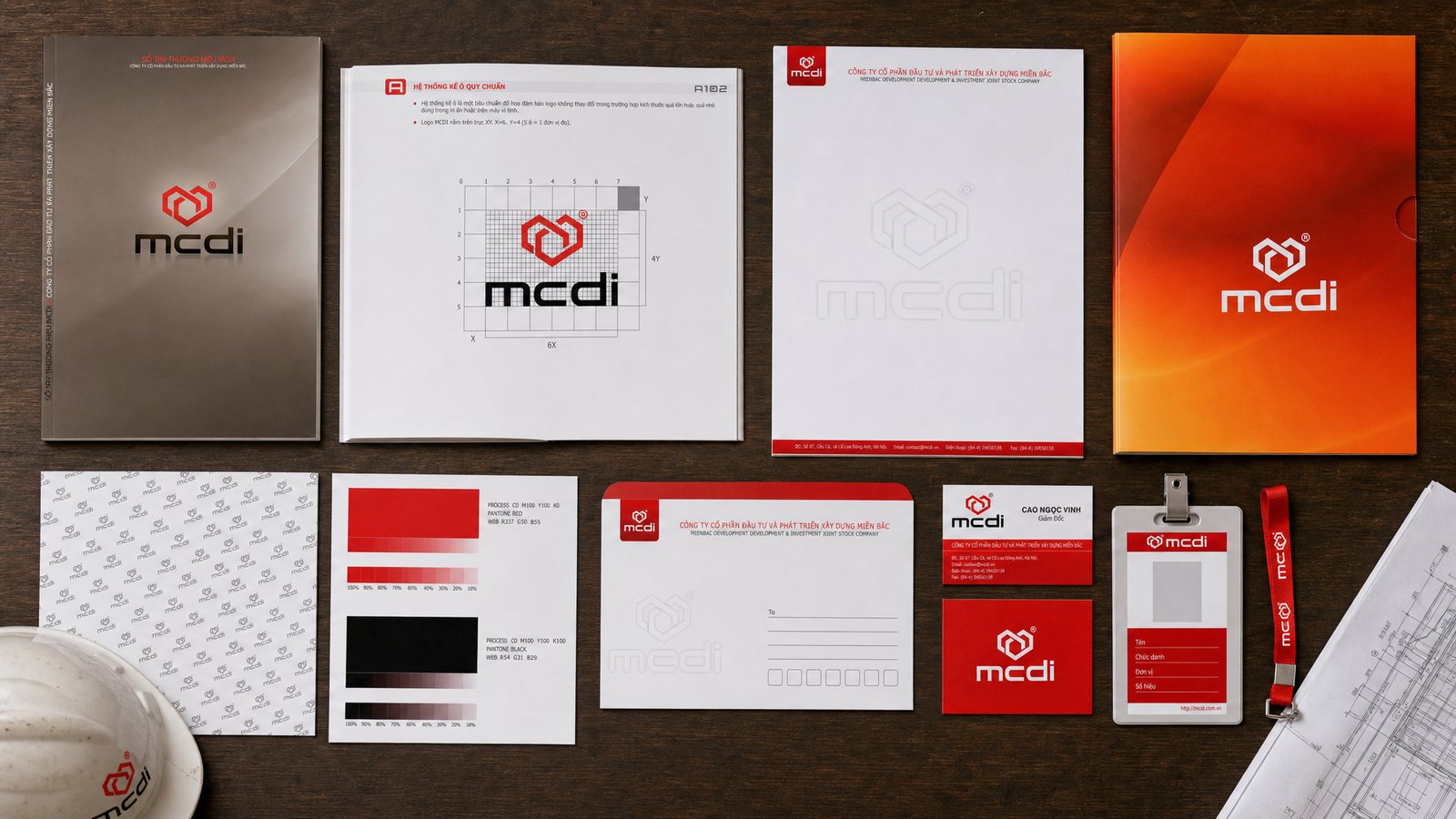
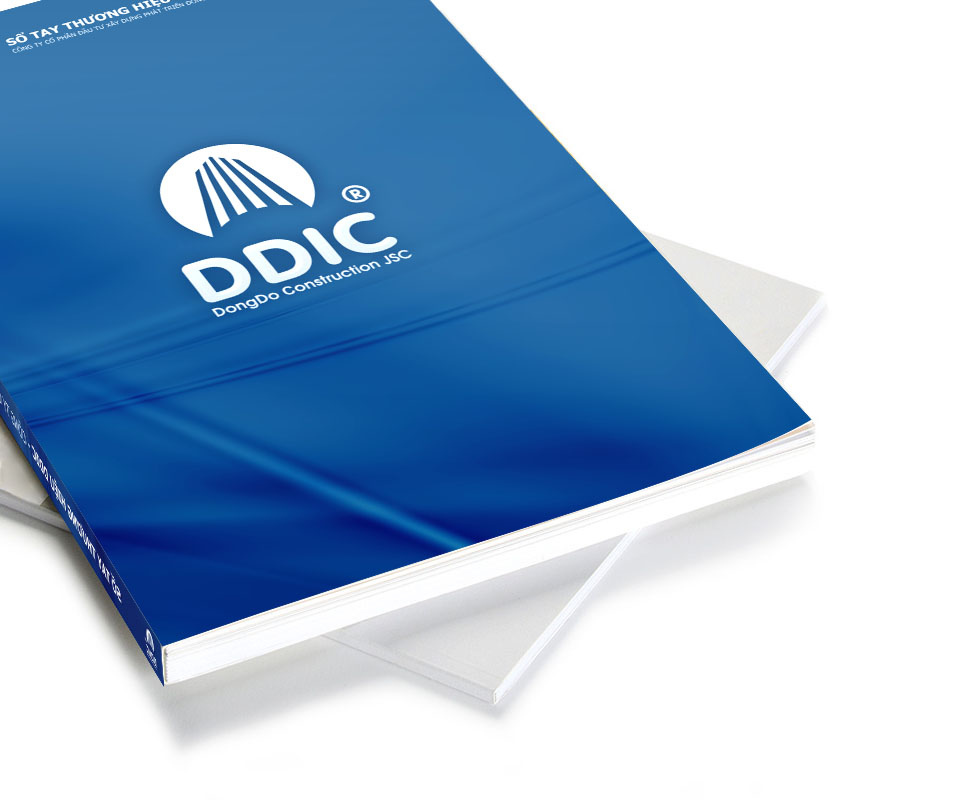
Sinh Vũ has not published a brand project for a real estate developer. The three below are the closest: a contractor that is also a developer, a construction investment company, and a serviced apartment.

Further reading08

More on developers and projects

Free toolTouchpoint map for this business modelSee the five stages customers pass through, where they drop off most, then rate the five touchpoints to fix first.Open the tool Free toolTest designs at real sizePackaging in a marketplace grid and on a shelf two meters away; a logo at avatar size and as a browser tab icon.Open the tool
FAQ09

Frequently asked questions

Settle a rule first: the developer's name always appears in a fixed position and size across every project. The project name has its own personality, but belongs to the same family as the parent brand.

The development's name and mark, standards for each zone, wayfinding, site hoardings, brochure and website. The parts used for many years need to be written into a handbook.

The project name, the developer's name and contact details. Any mandatory content is confirmed by the developer and contractor; Sinh Vũ handles the presentation and the shared standard.

Who the developer is, the projects already handed over, and a link to the project information disclosed as required (2023 Law on Real Estate Business, Article 6). Renders come after that information.

The show home should match the materials: the same finishes, the same colors, the same way of naming the project. Mark clearly what is illustrative and what will actually be handed over, so buyers don't have to guess.

Review the existing projects to see where reputation is being scattered, then build the developer brand as the trunk and write guidelines for the projects that follow.

Tell Sinh Vũ about your project

A few lines about the developer, the project you are preparing and what is holding you back is enough. Sinh Vũ will read it and reply within one working day.