Healthcare, pharma and wellness

Brand design for healthcare and pharma

Patients choose the place they trust, not the place that looks best.

Before the first visit, patients have only a sign, a medicine box and the way a place speaks to go on. Sinh Vũ makes those things speak true to your real expertise.

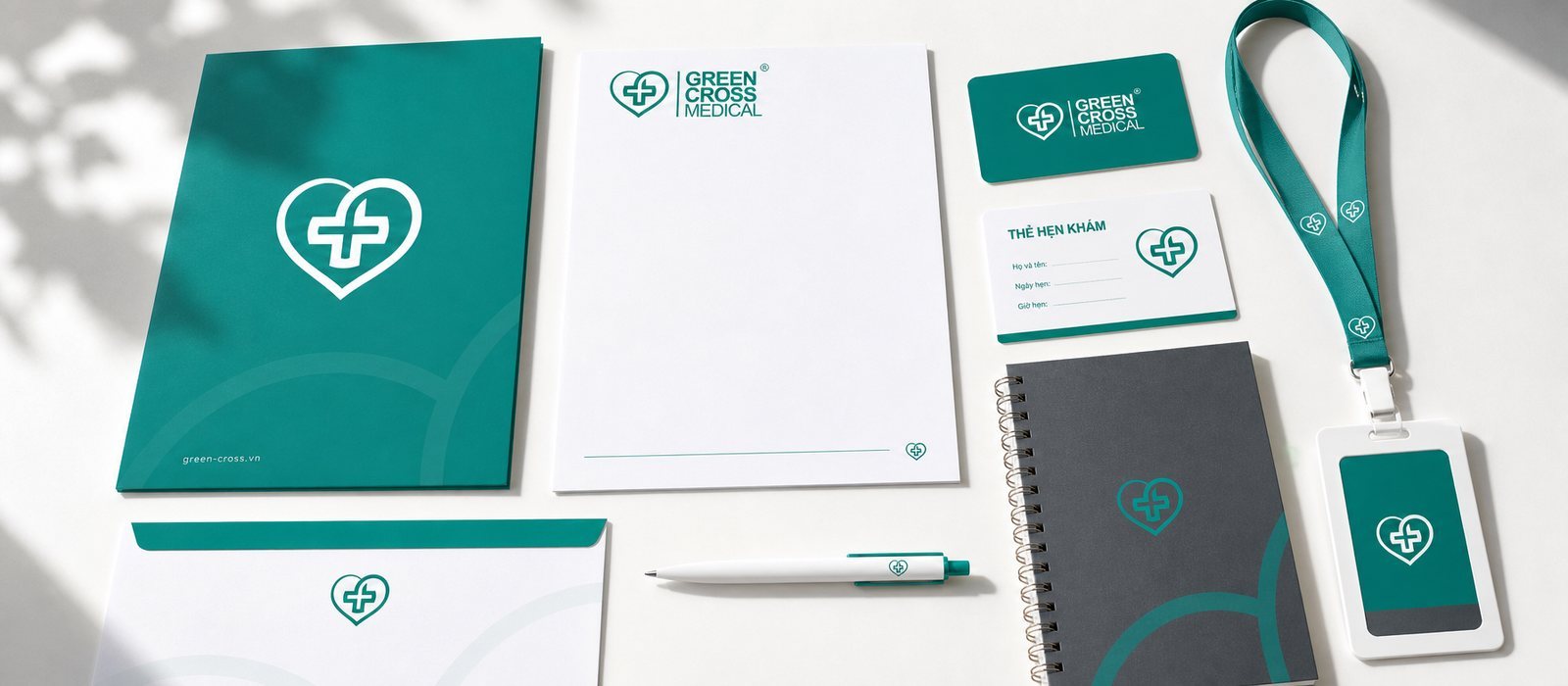
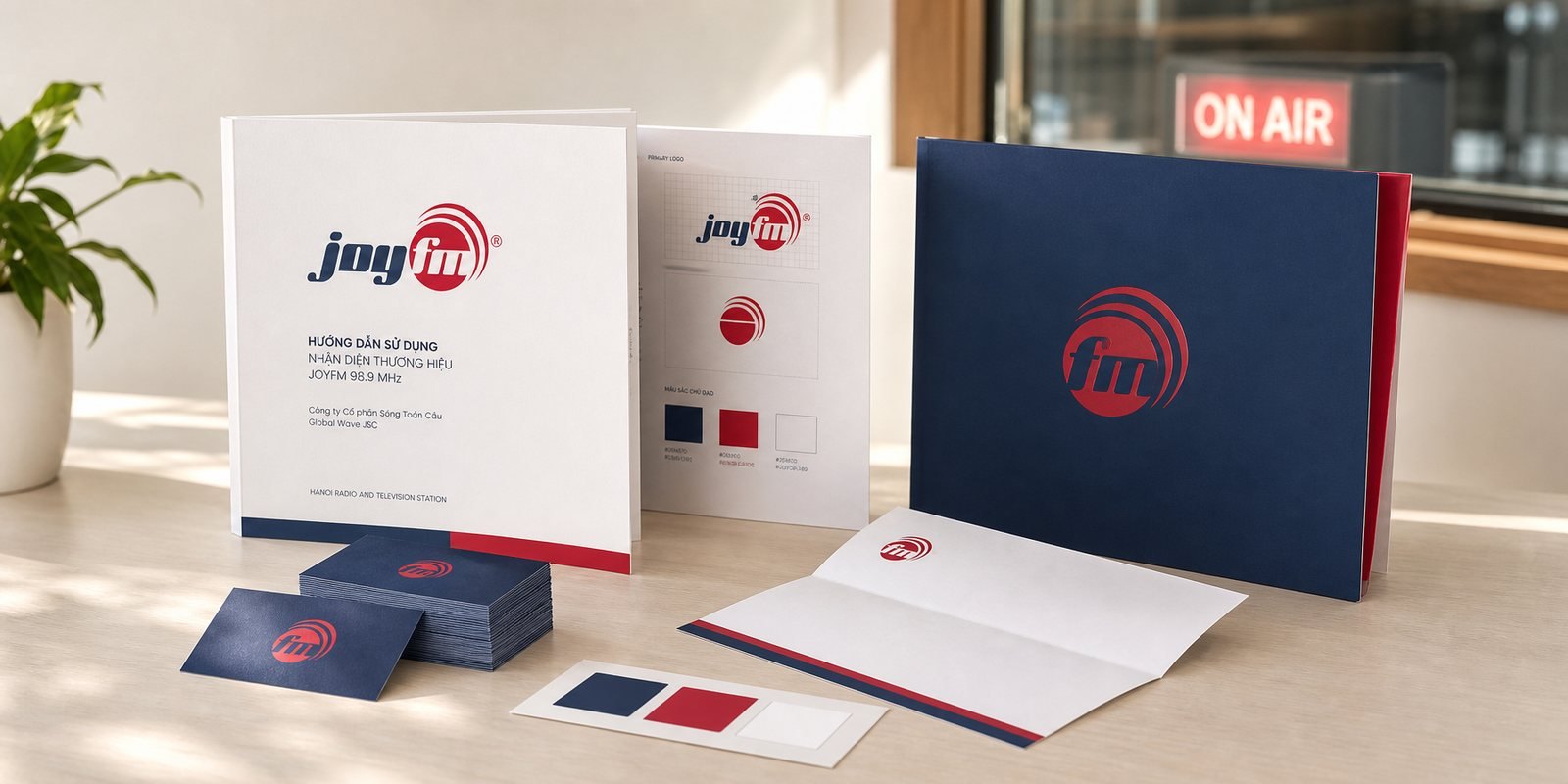
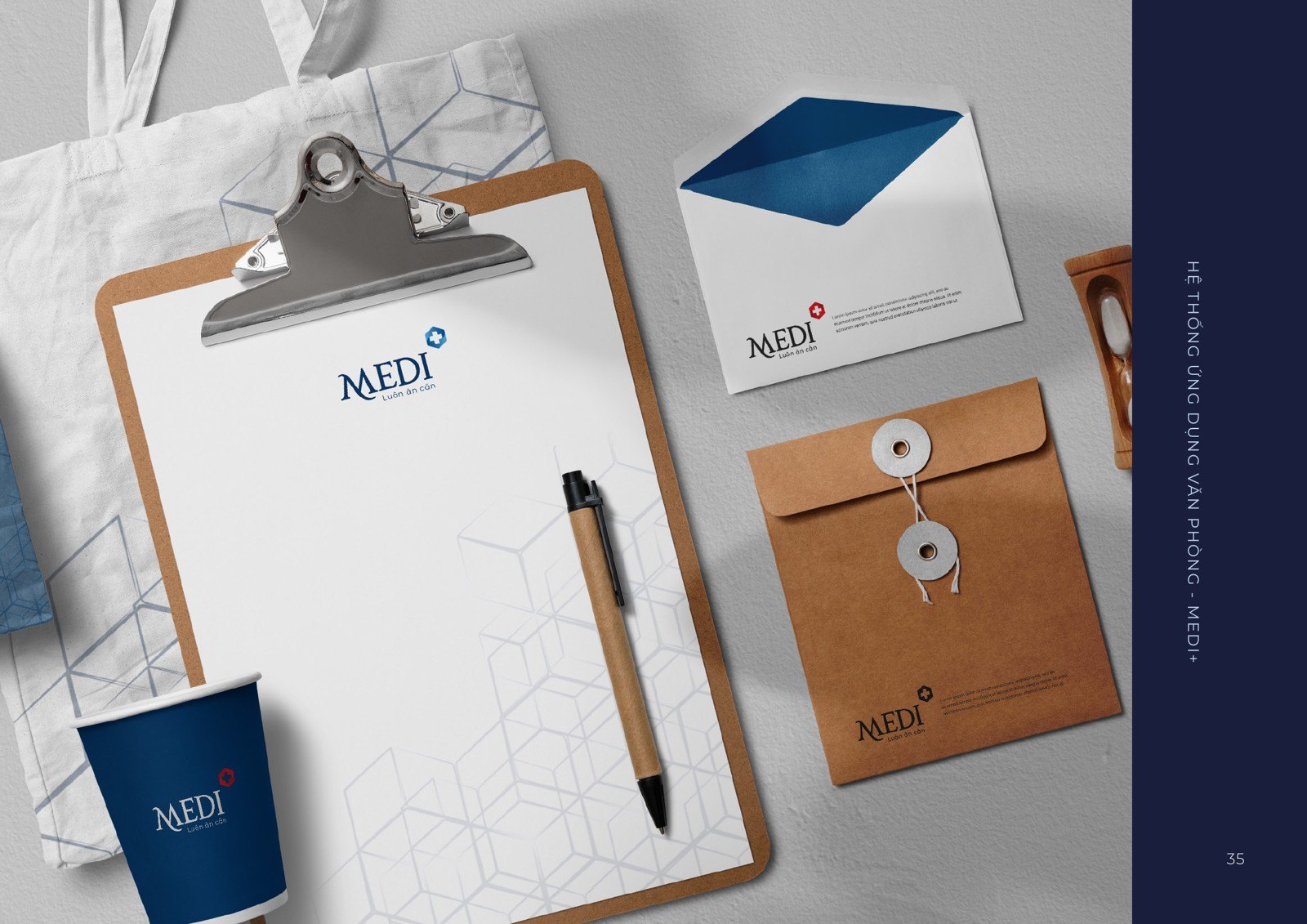
A sample kit for a healthcare and pharma brand: a medicine box, a clinic sign, a patient card and an instruction leaflet
Industry landscape01

Where do healthcare and pharma stand in Vietnam?

The pharmaceutical market grows steadily every year, but healthcare and pharma advertising is among the most tightly regulated. A brand has to build trust with what can be verified, not with promises.

6 to 8%

annual growth of Vietnam's pharmaceutical market, according to the Drug Administration of Vietnam, Ministry of Health (figures published from 2025 to early 2026)

Source: Drug Administration of Vietnam, Ministry of Health, as reported by Nhà đầu tư newspaper (5 Mar 2026)
15 Feb 2026

Decree 342/2025/ND-CP takes effect: advertising for medical examination and treatment must state the name, address, operating license number, operating hours and approved scope of practice

Source: Decree 342/2025/ND-CP, Article 9

Advantages

  • People spend more on healthRegular checkups, prevention and proactive care have become habits in many families.
  • Trust keeps clients for a long timeOnce people trust a clinic or a medicine label, they return for years and recommend it to the whole family.
  • Expertise is a real storyDoctors, procedures and equipment are credible material to tell.

Challenges

  • Advertising is tightly regulatedClaims beyond the license's scope are violations, and sometimes a whole campaign has to be taken down.
  • A skilled doctor, an unknown clinicPatients remember the doctor's name, not the name of the place.
  • One incident can cost yearsThe industry lives on trust, so communication risk is very expensive.
Profiles02

Which stage are you at?

Each stage has its own brand problem. Once you know yours, you know what to do first.

A clinic that has just opened or is about to

  • Choosing a name, making the sign, fitting out the premises
  • Unsure whether it should look like a hospital or like a home
Do this first
Settle the positioning and identity system before making the sign and interior.
A clinic or private hospital opening more locations

  • The new location looks different from the old one
  • Patients don't know the two places belong together
Do this first
Write the experience and identity down as standards before opening the next location.

A pharmaceutical, dietary supplement or device company

  • Many products, each box in a different style
  • Pharmacies and resellers ask for documentation before taking stock
Do this first
Build the brand architecture and a packaging system for the whole range.

A digital health platform

  • An app for booking visits, remote consultations or health tracking
  • Users worry about their personal data
Do this first
Build a digital design system that is easy to use and also signals care.
Pain points03

Six pain points design can fix

Design can't replace expertise. But it can fix the pain points that make patients choose somewhere else even when you are better.

Customer journey04

Where do patients choose a place to be seen?

Patients go through five stages before they trust a place. Wherever the brand falls short, that is where the patient is lost.

  1. A need arises

    Notice symptoms, ask people they know, search online.

    Common mistakeThey can't find any place that says clearly what it treats.

  2. Checking

    See who the doctor is, whether the clinic is licensed, what others say.

    Common mistakeTeam and license information is buried under promotions.

  3. Booking

    Call, send a message, book through an app.

    Common mistakeEach person answers differently, and patients don't know what to prepare.

  4. The visit

    Find the way, wait, be seen, pick up medicine, pay.

    Common mistakeGetting lost, not knowing how long the wait is, confusing paperwork.

  5. Follow-up

    Receive results, come back for checkups, recommend the place to family.

    Common mistakeOnce the visit is over, that's it: no reminder and no reason to return.

Segments05

Seven segments, seven ways to build trust

Pharmacies and pharmaceuticals sell safety, traditional medicine sells heritage, clinics sell expertise and attentive care, and health apps sell convenience with discretion. Each segment has its own page going deeper into pain points and methods.

Over-the-counter drugs

  • Cold, cough and stomach remedies
  • Medicated oils and balms
  • Topical skin medicines

Trust signalsClear uses, clear dosage, and trustworthy on the pharmacy counter.

  • Overstating a product's uses is a violation
  • A box that imitates a major brand
Explore this segment

Dietary supplements

  • Vitamins, minerals
  • Collagen, beauty-from-within products
  • Immune support products

Trust signalsIngredient sources, place of manufacture and certifications shown clearly.

  • Fierce competition, easily seen as overhyped
  • Advertising claims are tightly regulated
Explore this segment

Traditional medicine and herbs

  • Extracts, herbal teas
  • Traditional medicine pills
  • Traditional medicine practices

Trust signalsA remedy with a lineage, and herb-growing regions that really exist.

  • Looks dated, hard for younger people
  • Easily mistaken for goods of unknown origin
Explore this segment

Clinics and private hospitals

  • General clinics
  • Specialty clinics and hospitals
  • Testing centers

Trust signalsA clear team, license and procedures, with attentive reception.

  • When the doctor leaves, the patients leave
  • Adding locations easily makes the experience drift
Explore this segment

Home medical devices

  • Blood pressure and glucose monitors
  • Thermometers, nebulizers
  • Face masks, medical supplies

Trust signalsAccurate, easy to use, with a clear warranty.

  • Compared with cheap imports
  • Confusing instructions make older users reluctant to use the device
Explore this segment

Aesthetic and dermatology clinics

  • Dermatology clinics
  • Non-surgical aesthetic clinics
  • Rehabilitation centers

Trust signalsMedical standards, yet gentle like a place of care.

  • Advertising beyond the license's scope
  • One communication incident can wipe out years of reputation
Explore this segment

Digital health

  • Appointment booking apps
  • Remote consultations
  • Health tracking apps

Trust signalsEasy to use, and discreet with health data.

  • Users hesitate to expose their data
  • The interface looks like an entertainment app
Explore this segment
What changes06

What changes with Sinh Vũ alongside you?

Sinh Vũ doesn't promise a number of visits or sales. Its job is to bring the brand up to the level of your expertise, so patients trust you sooner.

Patients remember the doctor's name

Patients remember the name of the place and how it cares for them

Worrying whether each ad runs into the law

A ready messaging system that stays within the license's scope and is easy to hand to a lawyer for review

A new location has to be built from scratch

The new location inherits the old one's reputation

Products scattered across the counter

The range stands together as one trustworthy maker

Roadmaps07

The right services for each scale

Three roadmaps by scale. Every roadmap does the core first, and the rest only when it is really needed.

Further reading09

More on pharmaceuticals and health

Free toolTouchpoint map for this industrySee the five stages customers pass through, where they drop off most, then rate the five touchpoints to fix first.Open the tool Free toolMandatory label check (Vietnam)Choose a product type, paste the label text or drop a photo of the label, and see which mandatory items under Vietnamese law are not found.Open the tool
FAQ10

Frequently asked questions

At a minimum: positioning, logo, color, type, a way of talking to patients, and the things patients see first: the sign, reception desk, wayfinding and exam forms. A clinic with several locations also needs brand guidelines.

Advertising for medical examination and treatment must state the name, address, operating license number, operating hours and approved scope of practice (Article 9 of Decree 342/2025/ND-CP, effective 15 Feb 2026). Drug advertising follows the pharmaceutical law. Have the clinic's lawyer review the final version.

Advertising must carry the phrase "Thực phẩm bảo vệ sức khỏe" (dietary supplement) and the warning "This food is not a medicine and does not replace medicine for treating disease" (Article 5 of Decree 342/2025/ND-CP). The design has to leave room for that line from the start.

You can, but it is hard to stand out because many places already use them. The red cross is tied to the Red Cross Society and has its own rules of use, so check carefully before using it. Sinh Vũ looks for what is distinctive about the clinic first, then chooses the shape.

You need guidelines with standards for signs, reception, wayfinding, uniforms and exam paperwork, plus reception standards written down as documents, enough for a new location to get it right without the founder coaching them.

The core identity usually takes a few weeks, depending on whether naming and strategy come first. Timing for each item is on the matching service page.

MEDI Plus and Green Cross Medical (medical groups), JoyFM (health radio) and Callidora (skincare cosmetics).

Tell Sinh Vũ about your practice

A few lines about your practice or product and what is holding you back is enough. Sinh Vũ will read it and reply within one working day.