
Pharmaceuticals and health

Packaging and brand design for home medical devices

Buyers trust a device when they can use it on their own the first time.

A blood pressure monitor or thermometer is bought for a family member, often an older adult. Sinh Vũ helps the box, manual and screen speak clearly and be easy to follow, so your product isn't mistaken for repackaged goods.

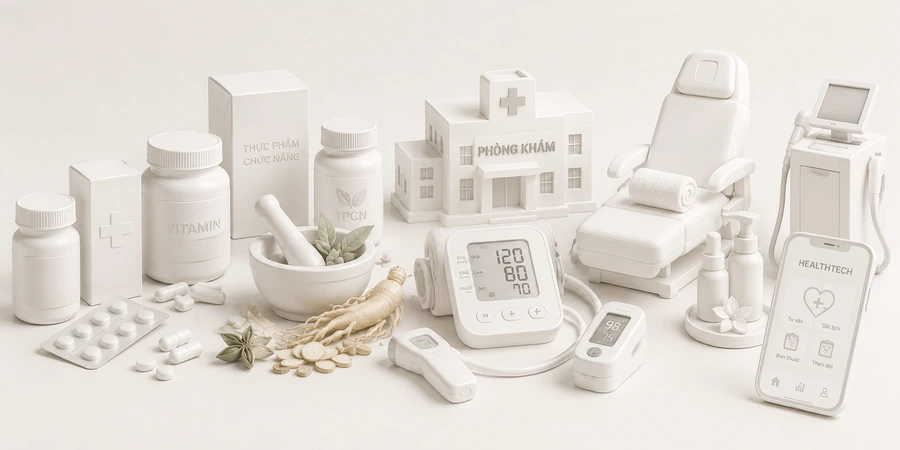
A sample print set for home medical devices: a blood pressure monitor box, a user manual, a display screen and a sales page
Quick answer01

What does a home medical device brand need?

Three things: packaging that tells the genuine product apart right on the shelf, a manual an older adult can read and follow, and a display that is clear. Those three decide whether a buyer trusts the device and keeps using it, or drops it in a drawer.

  1. A box that tells the genuine product apart

    The mark, seal, distributor information and warranty placed where buyers see them first.

  2. A manual that works the moment it is read

    Large type, clear pictures, one step at a time, written for someone who has never used the device.

  3. A display and buttons that are easy to read

    Big numbers, clear units, and error messages in everyday words rather than codes.

Business types02

Three groups of device, three problems

All are devices used at home, but users and places of purchase differ, so what the box needs to say differs too.

Blood pressure and glucose monitors

Their customersPeople with an underlying condition, or family members buying for parents, using the device regularly every day.

Brand challengeOlder users have to operate it correctly and read the number correctly themselves, so the manual and the display matter as much as accuracy.

Thermometers, nebulizers

Their customersHouseholds with young children, buying to keep at home and use when needed urgently.

Brand challengeWhen it is needed, the user is worried, so how to use it must be understood in a few seconds.

Face masks, medical supplies

Their customersBuyers who purchase in quantity, buy by habit and choose quickly on the shelf or on a marketplace.

Brand challengeShow the type, protection level and place of manufacture right on the packaging so it isn't mixed up with goods of unknown origin.

Pain points03

Four pain points specific to medical devices

These are the places where a device loses buyers or users and the machine's accuracy can't save it.

01

A box that imitates imported goods and is easily repackaged

The same white-and-blue box as many other brands; there has been a case of a blood glucose meter repackaged under a new label and sold.

A box with its own mark, with the seal and distributor information in a fixed position, so buyers can tell the genuine product apart.

Start from this problem
03

A display that is hard to read and hard to understand

Tiny icons and error codes that are only abbreviations; users can't tell whether the measurement is done or the device is broken.

An icon set and on-screen wording consistent with the box and the manual, tested with real older adults.

Start from this problem
Customer journey04

At which stage do devices lose the most buyers?

At the checking stage. Buyers compare a few models on a marketplace or at the pharmacy, looking at the box photo and the specifications line. The model that explains its directions and warranty location most clearly gets chosen.

Where customers are most often lostChecking
Do this now
  1. Put a photo of the real box, a photo of the screen showing a reading, and a photo of how to wear or hold it at the top of the product page.
  2. Write three lines of directions right under the photos, before the technical specifications.
  3. State the distributor, warranty location and how to get in touch where they can be seen.
Touchpoints05

Five touchpoints to do first

Touchpoints are the places where a buyer sees, touches or reads about the product. You don't need to do everything at once. These five decide most of the trust and whether users keep using the device.

  1. Product box

    The first thing buyers see at the pharmacy, and what users keep.

  2. User manual

    Decides whether an older adult can measure on their own or has to wait for their children.

  3. Device screen

    Where users read the result; a misreading costs trust in the whole device.

  4. Sales page

    Most buyers compare on marketplaces and pharmacy pages before choosing.

  5. Warranty seal and contact card

    When the device has a problem, this is the only place users look.

Roadmap06

Where Sinh Vũ suggests starting

Listed in the order to do them. A first product can stop at step two; a whole device line goes all the way.

  1. Logo and Brand Identity Design

    Name, mark, color and type: the foundation for the box, the manual and the sales page.

  2. Product packaging design

    A box with a mark that tells the genuine product apart, and a fixed place for the required information.

  3. Corporate capability profile design

    A large-type, step-by-step manual, and a warranty card.

  4. Designing a digital design system

    Icons and type on the screen and in the companion app, sharing one system.

  5. Brand website design

    A page introducing the product line, with manual downloads and warranty lookup.

Projects07

Projects closest to home medical devices

Sinh Vũ has not published a home medical device project. The two projects below solve the two nearest problems: interface and handbook for a product users operate themselves, and packaging and documents for a health-care product.

Further reading08

More on home medical devices

Free toolTouchpoint map for this business modelSee the five stages customers pass through, where they drop off most, then rate the five touchpoints to fix first.Open the tool Free toolMandatory label check (Vietnam)Choose a product type, paste the label text or drop a photo of the label, and see which mandatory items under Vietnamese law are not found.Open the tool
FAQ09

Frequently asked questions

Name and model, a real photo of the product, who it is for, the distributor, warranty location and how to get in touch. For the information required by current regulations, have your legal team or distributor confirm it before the box template is final.

Large type, one step per page, real photos of the device instead of generic drawings, and a version to view on a phone so children can open it for them. Test it with a few real older adults before printing.

Give the box its own mark and a fixed position for the seal and distributor information. Detecting counterfeits still takes the authorities; design only helps buyers recognize the genuine product faster.

The reading is the largest element, units are clear, and error messages use everyday words along with what to do next. Keep the icons the same as on the box and in the manual so users don't have to learn them again.

At a pharmacy, the box has to win on the shelf and the pharmacist needs a short information sheet to advise with. On a marketplace, the first photo and three lines of directions decide whether the buyer scrolls down to keep reading.

Tell Sinh Vũ about your product

A few lines about the product, its users and what is holding you back is enough. Sinh Vũ will read it and reply within one working day.