A brand about to launch
- The formula is ready, and you are choosing a name and ordering boxes
- Not yet clear who you sell to or at what price tier
- Do this first
- Settle the positioning and identity system before ordering boxes, bottles and labels.

A good formula is not enough. Customers have to trust it before they put it on their skin.
Before they have tried it, customers can only trust the box, the label and the photo. Sinh Vũ makes those speak truthfully about the real quality of your formula.

Imported goods make up most product notifications, so a Vietnamese brand has to sit beside Korean, Japanese and European ones on the same shelf. From 2026, advertising rules are also tighter.
size of the Vietnamese cosmetics market in 2021, per Euromonitor International (the USD 3.5 billion figure for 2026 is a forecast, not an achieved number)
Source: Sài Gòn Giải Phóng newspaper, citing Euromonitor, 21 Apr 2024share of cosmetics product notifications that are imported goods by count, out of 296,116 notifications from 2015 to 2022 (counted by notification, not by sales)
Source: Sài Gòn Giải Phóng newspaper, 21 Apr 2024Decree 342/2025/ND-CP takes effect: cosmetics advertising may not use the images, attire or names of medical facilities, doctors, pharmacists or medical staff
Source: Decree 342/2025/ND-CP, Article 4, clause 4Each stage has its own brand problem. Once you know yours, you know what to do first.
Design can't replace the formula. But it can fix the pain points that make customers scroll past without adding to cart.
Packaging borrows Korean or Japanese shapes; customers see a near copy and pick the original.
Find a real point of difference, then build the packaging around it so customers remember.
Start from this problemA premium product in a box that looks cheap, or the other way around.
Choose material, color and print method to match the price and the user.
Start from this problemYour own shelf looks like it belongs to three brands.
One frame system: shared color, type and layout; each line gets its own mark.
Start from this problemMarketplace, social media and shelf each show a different tone.
One brand photo set and a frame standard for each channel.
Start from this problemPosts that promise to cure acne or melasma, or that use a doctor's image.
Speak with what can be verified: ingredients, sourcing, where it is made, how it feels to use.
Start from this problemCustomers buy for the celebrity, and when the campaign stops, sales stop.
Build a voice and a look of your own, so the person recommending is only the guide.
Start from this problemCustomers go through five stages before buying a second time. Wherever the brand falls short, that is where the customer is lost.
Scroll videos, watch others use a product, walk past a shelf.
Common mistakeThe packaging blends into dozens of brands with the same look.
Read the ingredients, read reviews, compare with other brands.
Common mistakeIngredient information is hard to read, and photos differ from place to place.
Add to cart, pick a free gift.
Common mistakeNo visible reason to pay more than for a similar product.
Receive the order, open the box, apply it to the skin.
Common mistakeThe unboxing doesn't match the price, and the bottle is awkward to use.
Run out, look for the same product, recommend it to people they know.
Common mistakeCustomers like it but can't remember the name to find it again.
Skincare sells confidence in ingredients, makeup sells inspiration, fragrance sells memory, natural cosmetics sell transparency. Each segment has its own page going deeper into pain points and methods.
Trust signalsClear ingredients, clear directions, no overpromising.
Trust signalsTrue color, as good as in the photo.
Trust signalsRight for each person's hair problem.
Trust signalsScent and the feel on the skin.
Trust signalsA scent story and a bottle worth keeping.
Trust signalsTransparent sourcing and process.
Trust signalsCompact, clear, quick to use.
Trust signalsSafe for the whole family, for daily use.
Sinh Vũ doesn't promise a revenue number. Its job is to bring the brand up to the level of the formula, so customers trust it sooner.
Customers think it is a knockoff of an import
Customers recognize a Vietnamese brand with its own face
Sales stop when the campaign stops
Customers remember the name and look for it again
A new line breaks the old image
A new line follows the ready-made frame and is still recognized as the same house
Hesitant about retail chain shelves
Packaging and company file meet the standard to negotiate shelf space
Three roadmaps by scale. Every roadmap does the core first, and the rest only when it is really needed.
Suits: Brands about to launch, factories building a brand of their own
What you receivePositioning, a name and logo if needed, color, type, and packaging for the first product line.
Suits: Brands already selling that want to reach shelves or move up a tier
What you receiveKeep what customers already know, raise the rest; add a brand voice, a photo set and campaign visuals.
Suits: Brands with many product lines
What you receiveBrand guidelines and a packaging frame system for the whole range; monthly support as new lines launch.
Callidora is the skincare project Sinh Vũ has published. The healthcare, jewelry and consumer packaging projects solve the same problem of trust and a premium look.
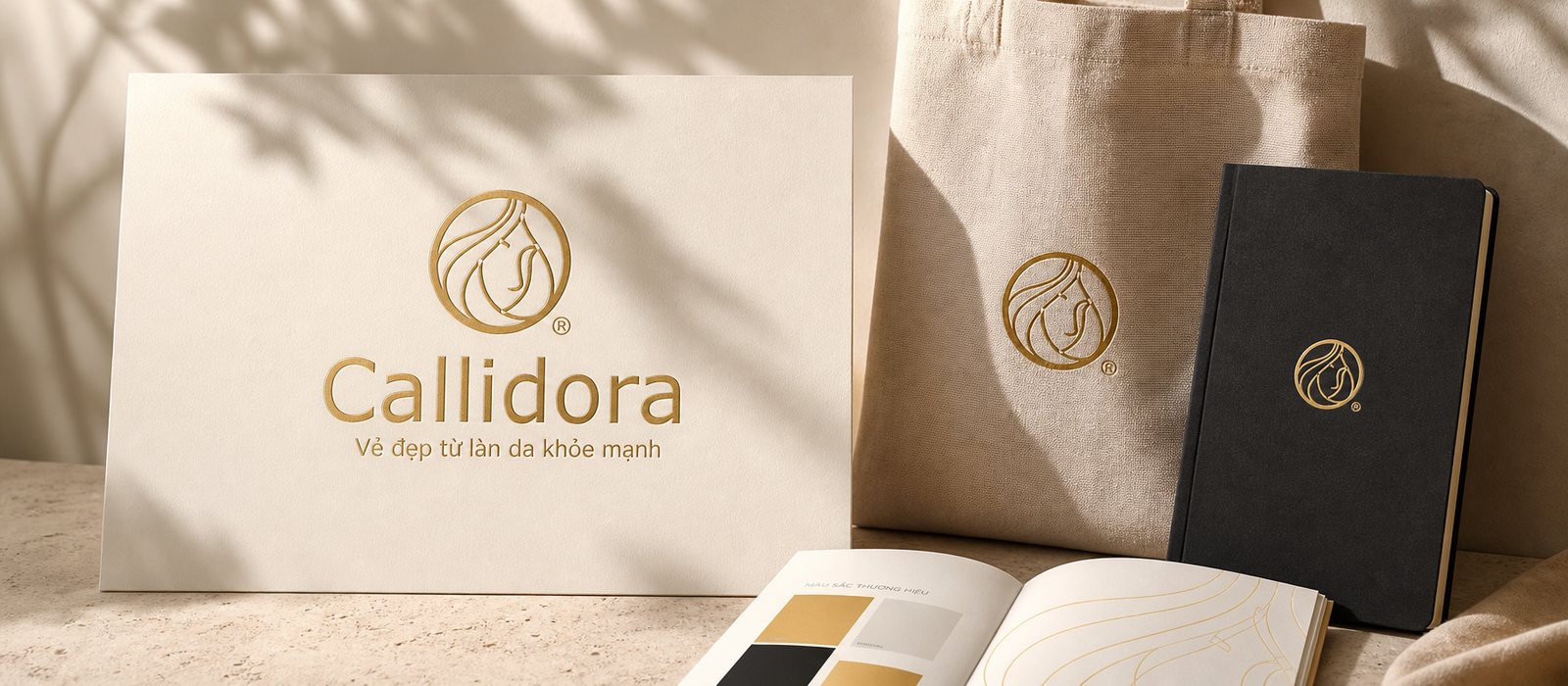
Callidora, a skincare cosmetics brand, had Sinh Vũ build a feminine, premium identity system that keeps its promise of beauty from healthy skin from the very first glance.
Feminine and premium without cliché.
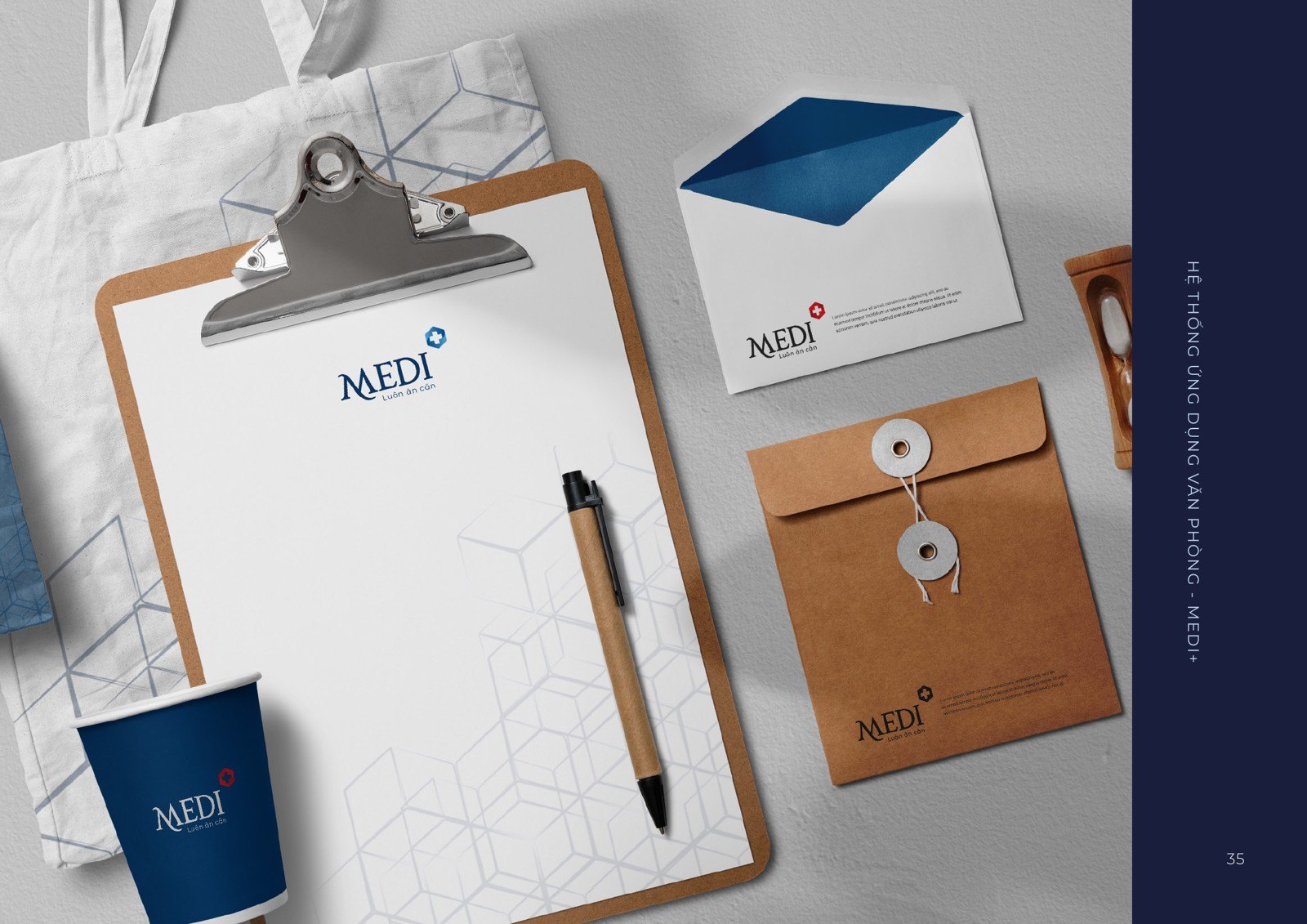
MEDI Plus is a new kind of medical complex, where patients are cared for gently from the very first moment. Sinh Vũ built the face and the digital nervous system for the clinic…
Professional trust spoken through care, not through promises.
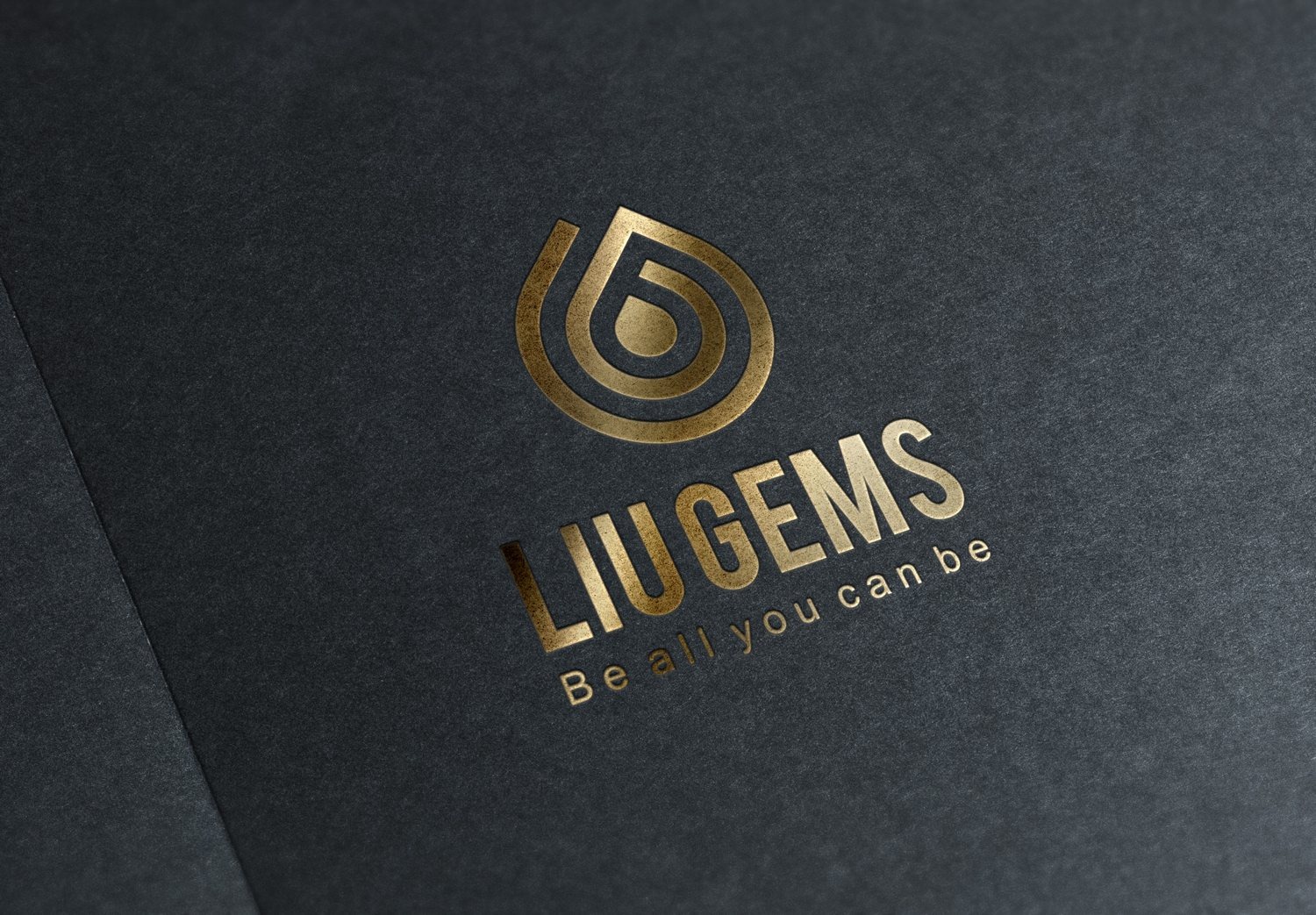 2009
LiuGems sells natural-stone jewellery to people who believe minerals carry energy, a trade where beauty tends to arrive improvised and promises tend to run ahead of proof…
Eight product lines, one shared face.

A packaged consumer goods portfolio with many lines, all going to shelf from one shared die-cut: Sinh Vũ built the logo system, identity and packaging…
One die-cut template used across the whole packaging system.
The principles behind it
At minimum: positioning, logo, color, type and packaging for the first product line. With several lines you also need a packaging frame system and brand guidelines.
Settle the brand first. Boxes, bottles and die-cut tooling ordered in bulk are the costliest things to fix.
A label must carry the content required by cosmetics regulations and goods labeling rules. Leave room for it from the start, then check the current regulations before printing.
From 15 Feb 2026, cosmetics advertising may not use the images, attire or names of medical facilities, doctors, pharmacists or medical staff (Article 4, clause 4 of Decree 342/2025/ND-CP), and may not suggest the product is a medicine (clause 2). Have your company's lawyer review the final version.
Find what is truly yours: local ingredients, the way it is made, the people who make it. Then build color, type and packaging material around that instead of following whatever is selling.
The design phase usually takes a few weeks, not counting sampling and production. Timing for each item is on the matching service page.
Callidora, a skincare brand. Close to the industry are MEDI Plus (healthcare), LiuGems (jewelry) and a consumer goods packaging project.
A few lines about your product and what is holding you back is enough. Sinh Vũ will read it and reply within one working day.
Every industry already has visual rules that buyers use to recognise the category. Three principles from the Sinh Vũ craft doctrine decide which of those rules to keep and where to differ.