
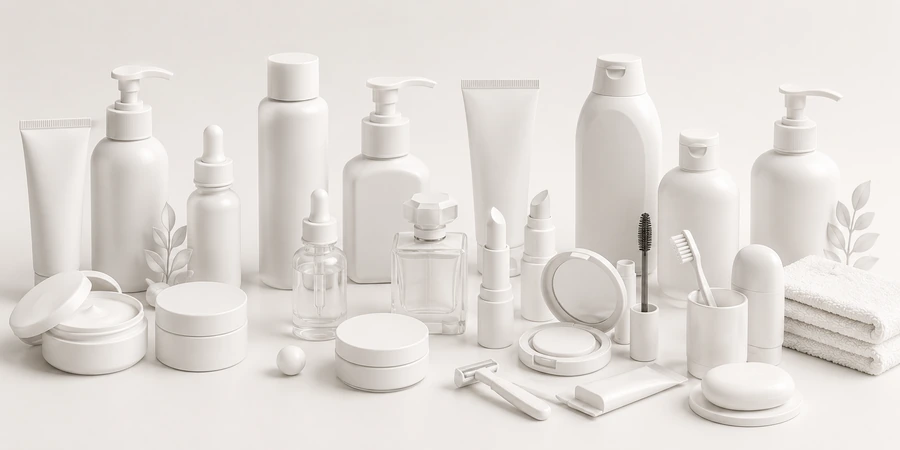
Cosmetics and personal care

Brand design for makeup and lipstick

Customers buy the color they see in the photo, and return it when the real color differs.

Makeup sells inspiration and true color. Sinh Vũ makes the lipstick case, the color chart and the on-skin photos say the same thing, so the color customers see is the color they receive.

A sample print set for a makeup brand: a lipstick case, a powder compact, an eyeshadow palette and a color tester stand
Quick answer01

What does a makeup brand need?

Three things first: a color chart with clear names and codes, an honest set of on-skin photos, and a case worth holding in the hand. Together they decide whether customers believe the color they see is the color they get.

  1. A color chart with names and codes

    Each color gets a memorable name and a consistent code, from the lipstick case to the product page.

  2. Honest on-skin photos

    The same lighting across many skin tones, so customers can picture the color on themselves.

  3. A case worth holding

    The weight, the sound of the cap closing and the shape of a lipstick case or compact make customers want to keep it.

Business types02

Three makeup groups, three problems

All are makeup, but each group is chosen for a different reason, so each needs its own way of speaking.

Lipstick

Their customersCustomers buy by color and by the feel in the hand, and often come back for a second and third shade.

Brand challengeMake the whole range of colors look like one set, with each color having a name and a shape worth remembering.

Foundation, cushion

Their customersCustomers worry most about picking the wrong shade, so they read the description closely and look at many photos before buying.

Brand challengeHelp customers pick the right shade through a clear shade chart and photos on many skin types.

Eyeshadow palettes

Their customersCustomers like collections and often buy by season and by trend.

Brand challengeOne shared packaging frame, with each collection getting its own color story, all from one house.

Pain points03

Four pain points specific to makeup

These are the places where makeup brands tend to lose customers even when the product colors are beautiful.

01

Photo color differs from real color

Marketplace photos have been brightened, customers receive the product, see a difference and return it.

A shooting and color correction process that keeps the true color, checked against printed and case samples before posting.

Start from this problem

04

The tester stand doesn't hold the brand image

A messy tray at the counter, dirty testers, and customers who don't want to touch them.

Design a stand and tray with a spot for each color, easy to wipe clean, in the brand's own color chart.

Start from this problem
Customer journey04

At which stage do makeup brands lose the most customers?

At Buying. Customers already like it but aren't sure the color suits them. If the photos don't cover enough skin tones, they pick a brand whose photos look more like them.

Where customers are most often lostBuying
Do this now
  1. Photograph each color on at least three different skin tones, in the same lighting.
  2. Print the color name and code exactly as on the case, so customers can check when the order arrives.
  3. Put a color suggestion chart by skin tone at the top of the product page.
Touchpoints05

Five touchpoints to do first

Touchpoints are where customers look, hold or try. You don't need to do everything at once. These five decide most of how customers feel when choosing a color.

  1. Lipstick case, powder compact

    Customers hold it every day, and the decision to rebuy comes from that feel.

  2. Color chart and color names

    Helps customers choose quickly and remember the exact color to buy again.

  3. On-skin photos

    Customers trust photos of real people more than beautiful product shots.

  4. Tester stand

    Where customers try the real color and decide right at the counter.

  5. Shipping box and color card

    Customers open the box, compare the color with the product page, then decide to keep or return.

Roadmap06

Where Sinh Vũ suggests starting

Listed in the order to do them. A newly launched brand can stop at step three; a brand with many collections goes all the way.

  1. Logo and Brand Identity Design

    Name, mark, color and type: the fixed part every collection travels with.

  2. Product packaging design

    Lipstick case, compact, palette box and a color-mark system on the packaging.

  3. Product and brand photography

    An honest set of on-skin photos, usable on every sales channel.

  4. Advertising campaign image design

    Visuals for each new collection, built on the shared frame.

  5. Brand guidelines handbook

    Guidelines so every season's launch stays one house.

Further reading08

More on makeup

Free toolTouchpoint map for this business modelSee the five stages customers pass through, where they drop off most, then rate the five touchpoints to fix first.Open the tool Free toolMandatory label check (Vietnam)Choose a product type, paste the label text or drop a photo of the label, and see which mandatory items under Vietnamese law are not found.Open the tool
FAQ09

Frequently asked questions

From the feel in the hand and the sound of the cap closing, and only then the shape. Make a real sample and hold it many times before you sign off the tooling.

Shoot in the same lighting, compare the photo against the real sample beside the screen, and avoid extra brightening. Photograph each color on several skin tones.

The box needs room for a mirror, a brush if there is one, and a smooth open and close. Decoration should follow the collection, while the frame and mark stay fixed.

No. Keep the name, mark and layout frame fixed; change only the dominant color and the story each season, so loyal customers still recognize their brand.

Tell Sinh Vũ about your makeup product

A few lines about the color range, the user and what is holding you back is enough. Sinh Vũ will read it and reply within one working day.