Cosmetics and personal care

Brand design for personal hygiene and hand wash

For everyday use, customers stay with the label they recognize and trust.

The supermarket shelf is full of near-identical white and blue bottles, and customers often choose by promotion. Sinh Vũ helps a brand stand out within seconds at the shelf, and be remembered even when the promotion is gone.

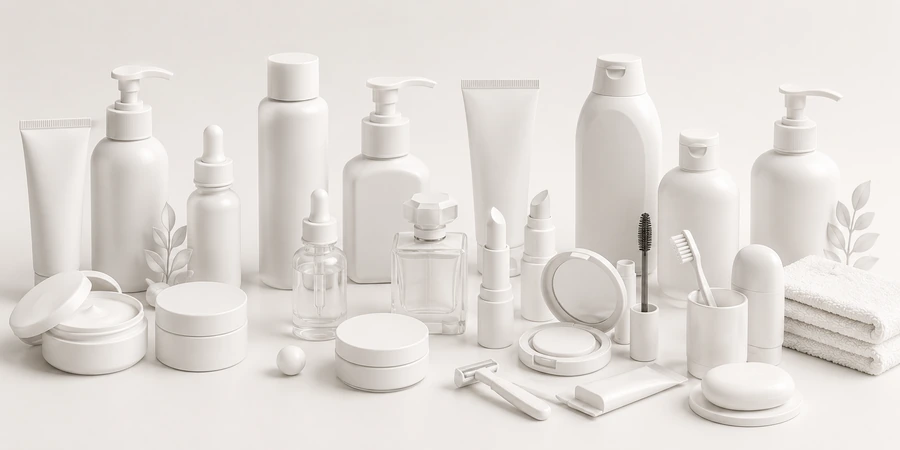
A sample print set for personal hygiene: a hand wash bottle, a refill pouch, a toothpaste tube and a shipping carton from one identity family
Quick answer01

What does a personal hygiene brand need?

Three things first: a mark you can see at arm's reach, one shared template for many scents and sizes, and an everyday promise stated in something concrete. Together they decide whether customers choose your label when there is no promotion.

  1. A mark that stands out on the shelf

    A color or bottle shape of your own, recognized from an arm's length away from the shelf.

  2. One template for the whole line

    Many scents and many sizes, with the bottle and the refill pouch sharing one face.

  3. An everyday promise

    Stated in something concrete, like the main ingredient or who it is for, not in vague words.

Business types02

Three kinds of household hygiene products, three problems

All are everyday goods, but the place of sale and the buyer differ, so the brand problem differs too.

Hand wash

Their customersBought for the whole household, often with small children; bought at supermarkets, convenience stores and marketplaces.

Brand challengeStand out among many similar bottles and make it easy for customers to pick the right type for the right user.

Toothpaste

Their customersThe whole family uses it, usually bought by habit and by promotion.

Brand challengeHold a place on the shelf with a tube and box shape that is easy to recognize, and give customers a reason to switch from the familiar label.

Soap, family body wash

Their customersThe person who shops for the whole household, buying large sizes and refill pouches.

Brand challengeKeep one shared face across the bottle, the refill pouch and the carton so customers recognize it at every size.

Pain points03

Four pain points specific to household hygiene products

These are the places where this segment tends to lose customers even when the product works well.

02

Customers buy by promotion, and when it ends they switch labels

Customers often pick a label with a free gift or buy-one-get-one; sales rise on promotion and fall when it stops, and customers don't remember the label name.

Give customers a reason to remember beyond the promotion: a clear everyday promise, a familiar look. The promotion sticker lives inside the identity template, and doesn't break it.

Start from this problem
04

A big safety line with nothing behind it

Words like safe for the whole family or gentle printed large but with no explanation; customers with small children read closely and find it hollow.

Say it in something concrete like the main ingredient, who uses it and how to use it. A big commitment is printed only when there is a file to prove it, and ask a legal advisor before printing.

Start from this problem
Customer journey04

At which stage do household hygiene products lose the most customers?

At Noticing. On the supermarket shelf customers only glance for a few seconds. A bottle that can't stand out in that time loses to the one that feels familiar in the hand.

Where customers are most often lostNoticing
Do this now
  1. Test a real printed sample beside three competing labels, from the distance a customer really stands.
  2. Keep one main mark, large enough and with little text, on the front instead of many small lines.
  3. Check the bottle laid on its side or stacked in tiers too: which part of the label is still seen when the bottle is half hidden.
Touchpoints05

Five touchpoints to do first

Touchpoints are where customers look, touch or read about the product. You don't need to do everything at once. These five decide most of the choice at the shelf.

  1. Bottle and refill pouch

    What customers hold and see every day, so it has to be recognized in both forms.

  2. Supermarket and corner-store shelf

    A supermarket decides in seconds, in a corner store bottles get stacked; test both at real size.

  3. Shipping carton

    Dealers and shops see the carton before they see the bottle; the carton is also a billboard in the stockroom.

  4. Marketplace product page

    Customers compare many labels on one screen, so the first photo has to say who it is for.

  5. Promotion stickers and labels

    A promotion is when customers decide the most, so the sticker has to sit inside the identity template.

Roadmap06

Where Sinh Vũ suggests starting

Listed in the order to do them. A new label can stop at step two and still launch a trial; to reach chain shelves, keep going.

  1. Logo and Brand Identity Design

    A mark, color and type that stand out on the shelf and are remembered beyond promotions.

  2. Product packaging design

    Bottles, tubes, refill pouches and cartons in one template.

  3. Brand guidelines handbook

    Guidelines for adding scents and sizes without breaking the shared face.

  4. Product and brand photography

    Marketplace product page photos that say who it is for and how to use it.

  5. Sales and marketing collateral design

    A materials kit for dealers and retail chains.

Projects07

Projects closest to personal hygiene

Sinh Vũ has not published a personal hygiene project. The two below solve the two closest problems: many products in one packaging system, and trust spoken through care.

Further reading08

More on personal and household hygiene

Free toolTouchpoint map for this business modelSee the five stages customers pass through, where they drop off most, then rate the five touchpoints to fix first.Open the tool Free toolMandatory label check (Vietnam)Choose a product type, paste the label text or drop a photo of the label, and see which mandatory items under Vietnamese law are not found.Open the tool
FAQ09

Frequently asked questions

The bottle must stand firm, press easily with one hand, and the label must survive water. The front states the type of hand wash and who it is for, then the scent or imagery. Test a real sample beside other labels on the shelf.

Give the pouch the same color, mark and main type as the bottle. Add a short pouring guide on the back. Customers must see the pouch and the bottle as one house at a glance.

Choose a mark of color or shape of your own, with little text, then test at real shelf size beside a few big labels. A supermarket shelf decides in seconds, so everything must read at once.

Leave room for the mandatory label information first, then design the rest. Ask a legal advisor about labeling content before you sign off the print template.

Give customers a reason to remember beyond the promotion: a clear everyday promise and a familiar look. Make the promotion sticker sit inside the identity template so every discount still reminds customers of the label's name.

Tell Sinh Vũ about your label

A few lines about the product, where you sell it and what is holding you back is enough. Sinh Vũ will read it and reply within one working day.