Cosmetics and personal care

Brand design for haircare and shampoo

Customers stand in front of the shampoo shelf and choose in a few seconds.

Haircare sells the right fix for each head of hair. Sinh Vũ makes the bottle, label and shelf say which hair type suits which product, without looking like a mass-market brand.

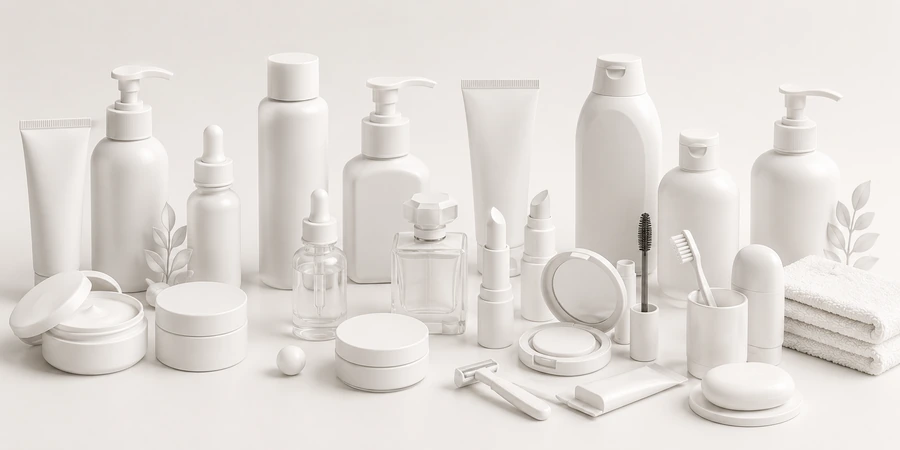
A sample print set for a haircare brand: a shampoo bottle, a hair oil, hair type labels and a retail shelf
Quick answer01

What does a haircare brand need?

Three things first: a hair type label you understand at a glance, a bottle that stands apart from mass-market goods even at large volume, and a clear place on the shelf. Together they decide whether customers pick the product up or walk past.

  1. A clear hair type label

    Dry hair, oily hair, dyed hair, hair loss: each type gets a color mark you can see from far away.

  2. A bottle with taste at large volume

    Bottle shape, cap and label material state the product's position, so it doesn't look like a promotional item.

  3. A place on the shelf

    Blocks of color and type clear enough to be recognized among dozens of bottles of the same size.

Business types02

Three hair product groups, three problems

All are haircare, but the place of sale and the buyer differ, so each group needs its own way of presenting.

Shampoo, conditioner

Their customersMostly bought at supermarkets and on marketplaces, chosen by hair problem and by habit.

Brand challengeStand out on a crowded shelf and say clearly which hair type the product is for.

Hair oils

Their customersCustomers buy less often but more carefully, and like a small, good-looking bottle that sits well on a desk.

Brand challengeA bottle worth keeping, with an explanation of how and when to use it.

Salon products

Their customersHairdressers choose to use them and recommend them to their own clients.

Brand challengePackaging and materials that make a stylist want it on the work table and feel confident recommending it.

Pain points03

Four pain points specific to haircare

These are the places where haircare brands tend to lose customers even when the product is good.

01

Customers don't know which bottle is for their hair

In front of the shelf, customers read the product name without understanding it, then take the familiar bottle.

A color-mark system by hair type, with large type naming the hair problem first and the product name second.

Start from this problem
Customer journey04

At which stage do haircare brands lose the most customers?

At Noticing. Customers walk past the shelf and look for only a few seconds. A bottle that doesn't state the hair type and doesn't differ from its neighbor doesn't get picked up.

Where customers are most often lostNoticing
Do this now
  1. Put the hair type or hair problem in the most visible position on the front.
  2. Test the bottle on a real shelf beside the big brands, from two meters away.
  3. Choose one block of color and one bottle shape that can be recognized from far away.
Touchpoints05

Five touchpoints to do first

Touchpoints are where customers see, hold or hear about the product. You don't need to do everything at once. These five decide most of whether customers choose the product.

  1. Shampoo bottle

    What customers see in the bathroom every day, so it is also what they remember most.

  2. Hair type label

    Helps customers choose the right type in seconds and cuts wrong purchases.

  3. Supermarket shelf

    Where the product stands beside dozens of other bottles and has only a few seconds to be chosen.

  4. Partner salons

    A hairdresser's recommendation carries weight with their own clients.

  5. Usage instructions

    Misused oils and hair masks seem ineffective, and customers don't buy again.

Roadmap06

Where Sinh Vũ suggests starting

Listed in the order to do them. A new brand can stop at step two or three; a brand with many lines goes all the way.

  1. Brand strategy and positioning consulting

    Find what is truly yours so you don't compete head-on with big brands.

  2. Logo and Brand Identity Design

    Name, mark, color and type: the base for being recognized from far away on the shelf.

  3. Product packaging design

    Bottles, labels, boxes and a color-mark system by hair type.

  4. Sales and marketing collateral design

    Materials and recommendation cards for salons and dealers.

  5. POSM and event booth design

    Small stands and point-of-sale items for counters and partner salons.

Projects07

Projects closest to haircare

Sinh Vũ has not published a haircare project. The two below solve the two closest problems: a premium look in cosmetics, and one packaging template used across a whole system.

Further reading08

More on haircare

Free toolTouchpoint map for this business modelSee the five stages customers pass through, where they drop off most, then rate the five touchpoints to fix first.Open the tool Free toolMandatory label check (Vietnam)Choose a product type, paste the label text or drop a photo of the label, and see which mandatory items under Vietnamese law are not found.Open the tool
FAQ09

Frequently asked questions

Cut the text on the front, choose one dominant block of color, and use label material or cap detail to raise the position. Test the bottle beside the big brands on a real shelf.

Use a color mark for each hair type, state the hair problem in large type and the product name smaller. Keep the same mark system on the bottle, the shelf and the sales page.

Yes, if the product comes with materials and items that make it easy for stylists to recommend. A salon only mentions a brand whose name it remembers and trusts.

The salon's customer is the stylist first and the user second. Packaging has to look good on the work table, hold up to heavy handling, and come with materials so the stylist can explain it.

Tell Sinh Vũ about your hair product

A few lines about the product, where you sell it and what is holding you back is enough. Sinh Vũ will read it and reply within one working day.