A workshop growing into a factory
- Clients arrive mostly through personal connections
- The name, logo, and profile date from the early days
- Do this first
- Settle the positioning and redo the core identity, then build a new capability profile.

Good machines can't speak for themselves. The profile has to speak for them.
Buyers sit far away and compare many suppliers on paper before they ever visit the factory. Sinh Vũ makes your plant's real capability clear, consistent, and credible.
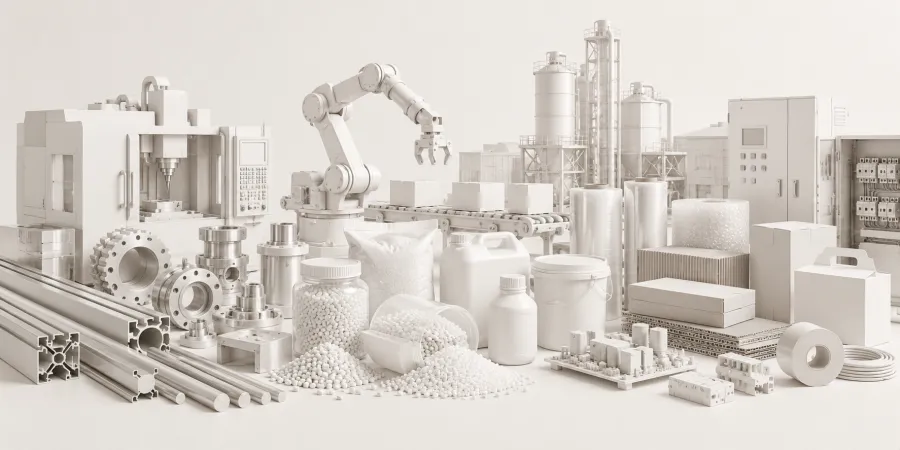
Manufacturing is growing fast, yet most exports still pass through foreign-invested companies. A Vietnamese factory that wants into a supply chain has to win the buyer's trust from the very first profile.
growth in processing and manufacturing in 2025 (estimate), helping lift the industrial production index for the whole sector by 9.2%
Source: General Statistics Office (NSO), socio-economic report for Q4 and full-year 2025, 6 Jan 2026share of 2025 goods exports from foreign-invested enterprises, crude oil included; the domestic sector accounted for 22.7%
Source: General Statistics Office (NSO), socio-economic report for Q4 and full-year 2025, 6 Jan 2026Each stage has its own brand problem. Once you know yours, you know what to do first.
Design can't replace product quality. But it can fix the pain points that make buyers pass over a plant that does good work.
Dozens of pages of machine photos, and not one page says what the buyer needs to know.
The profile leads with core capabilities, certifications, key clients, and figures that can be verified.
Start from this problemSpecifications are scattered, and each product line is laid out differently.
One catalog frame: how codes are set, the specification table, product photos, and a bilingual version.
Start from this problemAn old logo, business cards, email, and website make buyers think this is a small workshop.
Refresh the core identity to match the plant you are today.
Start from this problemThe booth changes every year, and visitors stop by and forget the name.
A booth standard, a print kit, and giveaways you can reuse at every fair.
Start from this problemCartons, bags, and labels across the lines don't read as one manufacturer.
One shared packaging and label system that is easy to spot in the buyer's warehouse.
Start from this problemBuyers can't find products, can't download documents, and have no way to request a quote.
A site organized by product line, with technical documents and a request-a-quote path.
Start from this problemBuyers pass through five stages before they sign. Wherever the brand falls short, that is where you lose the order.
Search online, ask partners, visit fairs, and read supplier lists.
Common mistakeThey find the name but can't tell what the plant can make.
Read the capability profile, certifications, and list of clients served.
Common mistakeA thick profile that never answers the purchasing department's questions.
Send a request for quotation, receive samples, and compare a few suppliers.
Common mistakeA thin quotation leaves the buyer comparing nothing but the number.
Come to the plant, see the lines, and meet the person in charge.
Common mistakeThe real plant is better than the profile, but the buyer crossed it off the list long before.
Order regularly, review every year, and recommend other companies.
Common mistakeDeliveries go well, yet nobody reminds the buyer of it.
Engineering sells precision, chemicals and plastics sell consistency, packaging sells the safety of the goods, electrical and electronics sell durability, and contract manufacturing sells the ability to deliver exactly to order. Each segment has its own page going deeper into the pain points and the work.
Trust signalsMeasurable precision, and machines already running in other plants.
Trust signalsConsistent quality between batches, and clear certification.
Trust signalsClients' goods arrive intact after long journeys.
Trust signalsDurable equipment, a clear warranty, and technical support on hand.
Trust signalsRight to the sample, on time, and confidential for every client.
Sinh Vũ doesn't promise a number of orders. The job is to let buyers see your real capability from the very first profile.
Buyers compare unit prices on a spreadsheet
Buyers have a reason to choose beyond price
A thick profile nobody finishes
Purchasing finds what it needs to check right away
Every fair starts from scratch
One booth standard that lasts for years
Looking smaller than your real capability
An image that matches the plant you are today
Three roadmaps, one per stage. Every roadmap does the core first and leaves the rest for when it's truly needed.
Suits: A workshop growing into a factory, with an old identity
What you receivePositioning, a refreshed core identity, a capability profile, and an office stationery set.
Suits: A factory aiming to join a supply chain or exhibit at trade fairs
What you receiveA technical catalog, a bilingual capability profile, photos of the plant and products, a booth standard, and a website with a request-a-quote path.
Suits: A group with many factories and product lines
What you receiveA full review, a brand architecture for the parent company and its lines, brand guidelines, and a shared packaging and label system.
Sinh Vũ has built brands for makers of equipment, materials, and processed food. The shared problem is many product lines that have to speak in one voice.
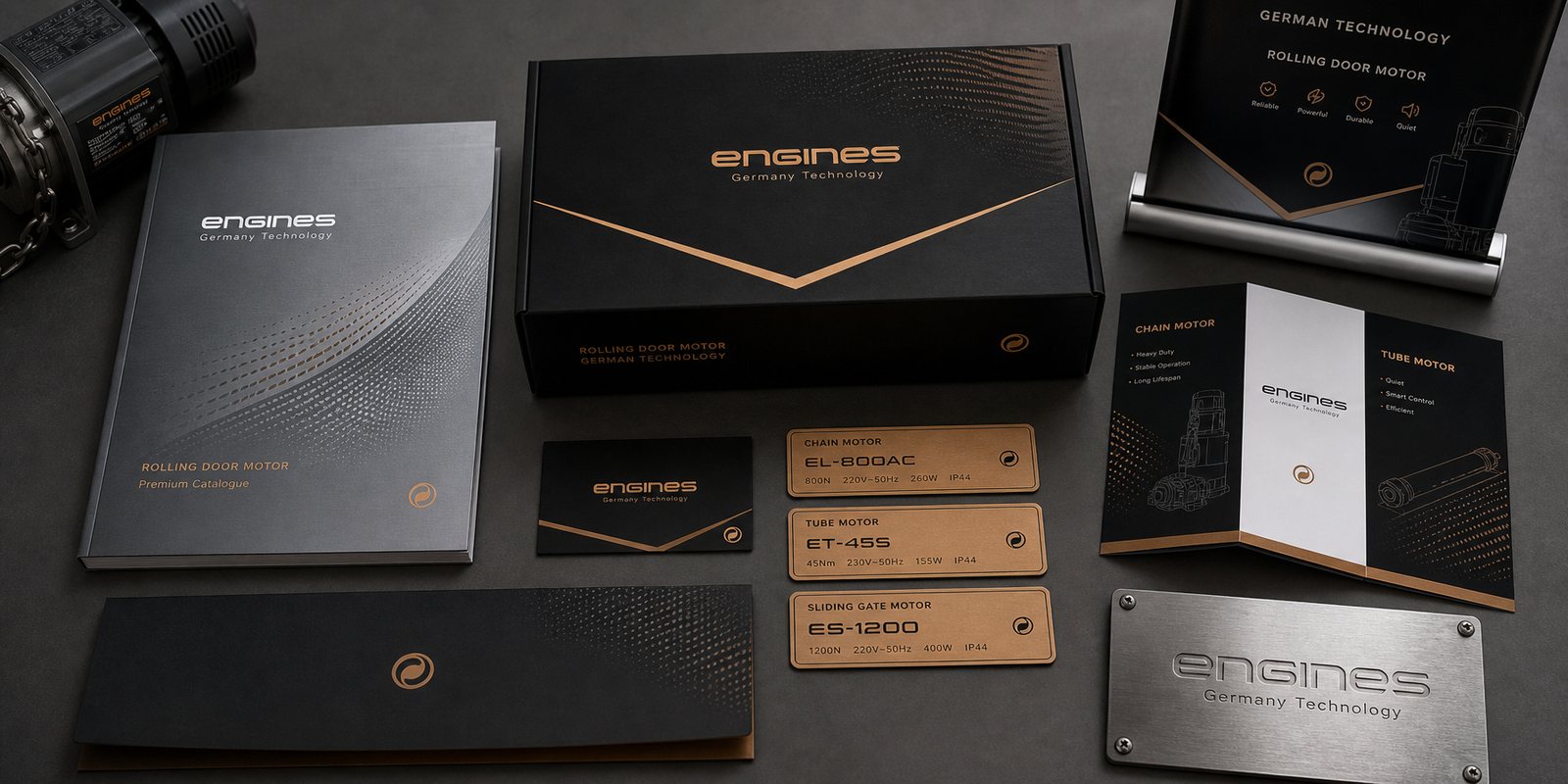
Engines, by Tân Phong, is a line of roller shutter motors built to German technical standards. Sinh Vũ built the logo, brand standards and a unified packaging system…
Eight roller-door motor lines brought into one identity and packaging system.
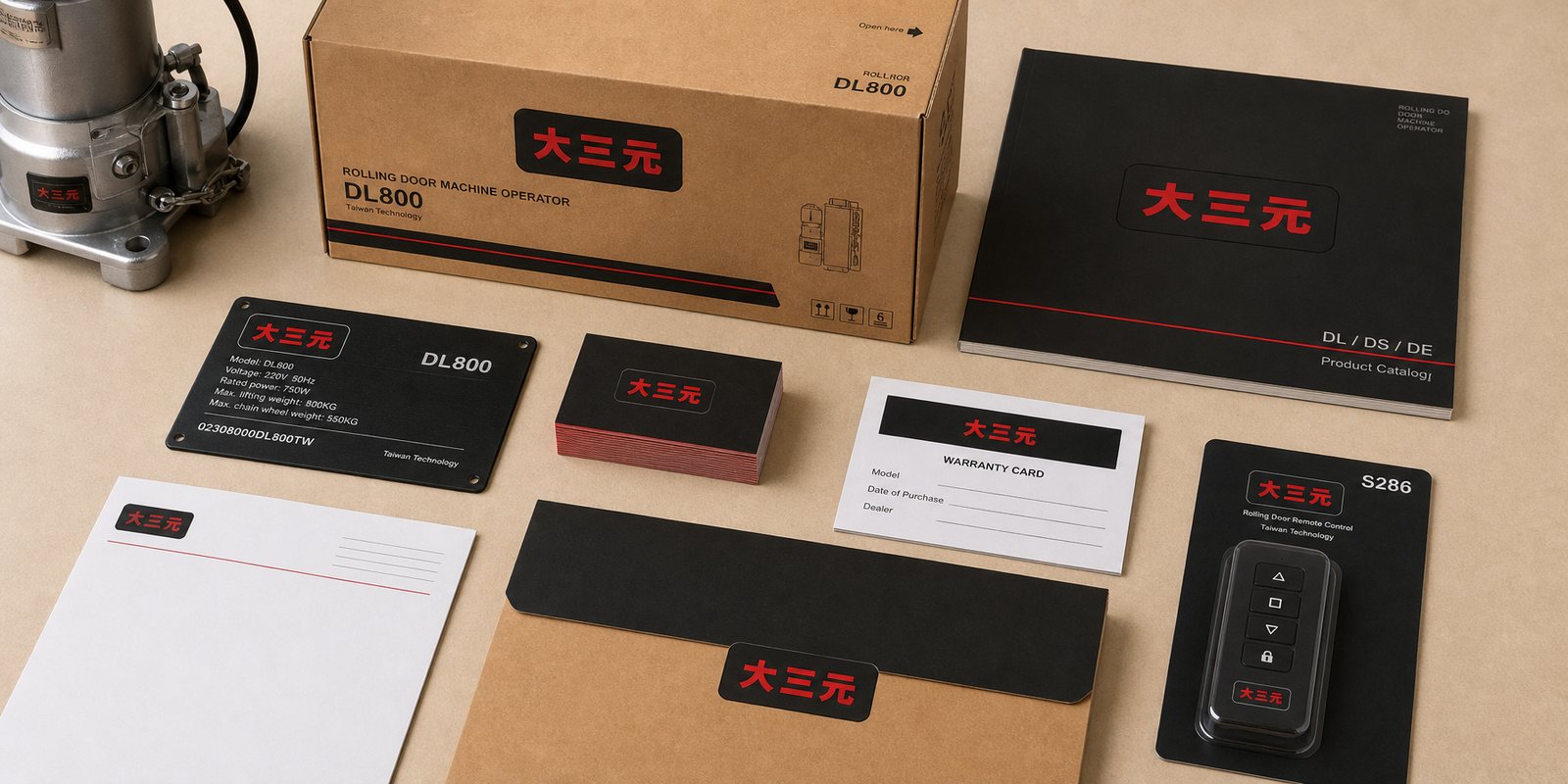
The red 大三元 seal keeps the entire Dasanyuan roller door motor range, three lines and dozens of models, recognised and trusted at once among a shelf full of look-alike brands.
One seal holds a range of many equipment models steady on dealers' shelves.
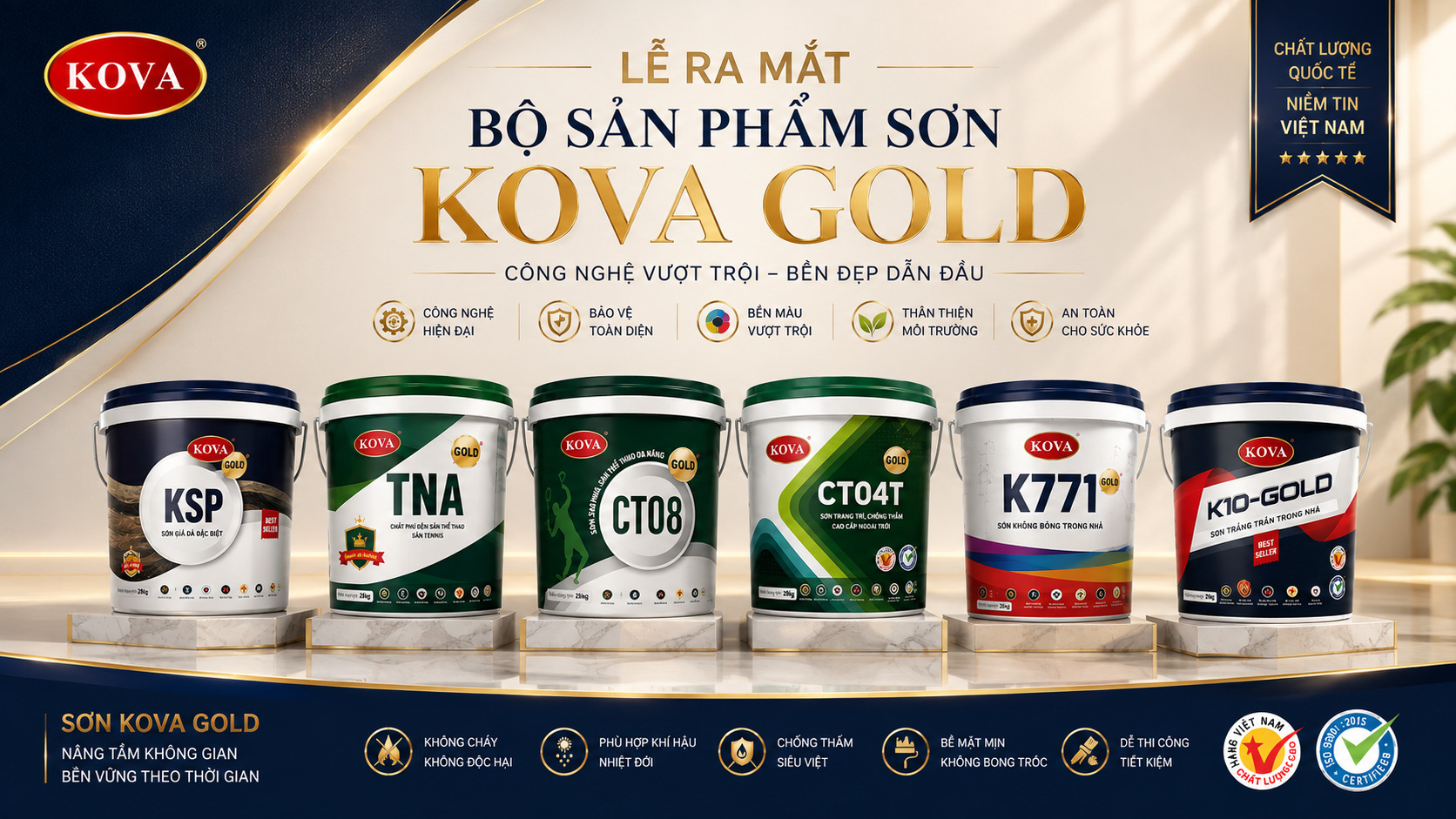
KOVA is a Vietnamese paint brand that leads on technology, sold through a network of over a thousand authorised dealers across sixty three provinces, with a range of seventeen paint lines…
A paint manufacturer with seventeen product lines and thousands of points of sale speaking in one voice.
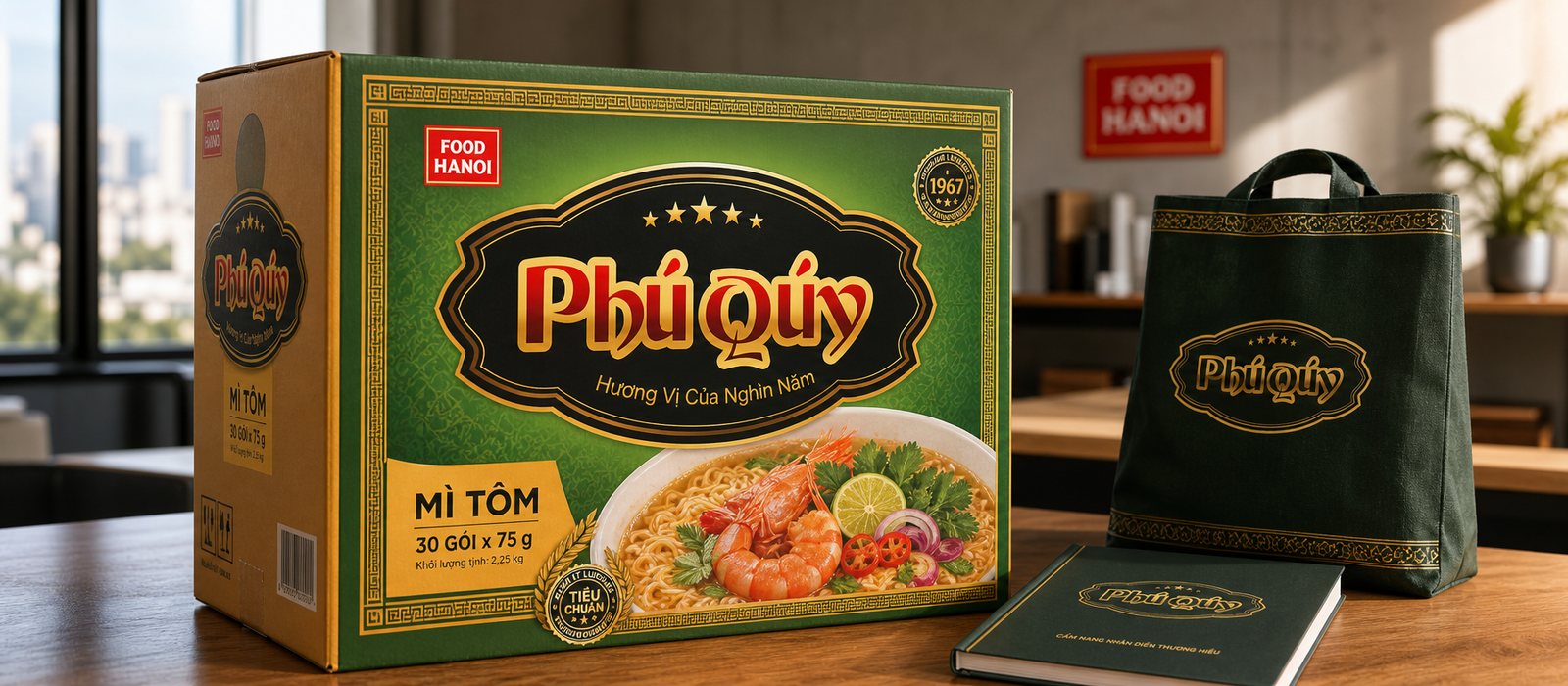
Sinh Vũ built the brand architecture, identity system, and packaging system for FOOD HANOI, including Phú Quý noodles, iodized seasoning, and Life…
A processor with many product lines needs every pack to be recognized as coming from the same maker.
The principles behind it
Yes, but differently from consumer goods. B2B buyers don't need loud advertising. They need a credible profile, a catalog that is easy to look up, and an image that matches the plant's real size, so you land on their comparison list.
Core capabilities, lines and capacity, quality certifications, key clients (when you are allowed to name them), the quality control process, and a contact person. Offer a bilingual version if you sell to overseas buyers.
Digital comes first, because buyers look things up and forward them by email. Print is still needed for trade fairs and in-person meetings. Build both on one frame so you update once.
Tell it through product types, the standards you have met, the markets your goods have reached, and how you keep information confidential. Name a client only with written consent.
Engines and Dasanyuan (motors and industrial equipment), MASTER DOOR (roller doors), KOVA (paint), and FOOD HANOI (food processing).
A few lines about your products, your clients, and what is holding you back are enough. Sinh Vũ reads them closely and replies.
Every industry already has visual rules that buyers use to recognise the category. Three principles from the Sinh Vũ craft doctrine decide which of those rules to keep and where to differ.