Manufacturing and B2B

Brand design for engineering and machine building companies

Technical buyers only trust what they can check.

When a machine runs well, everyone who uses it knows. A new buyer who has never used it only has the profile to read. Sinh Vũ helps engineering companies put specifications, real machine photos, and installed sites first.

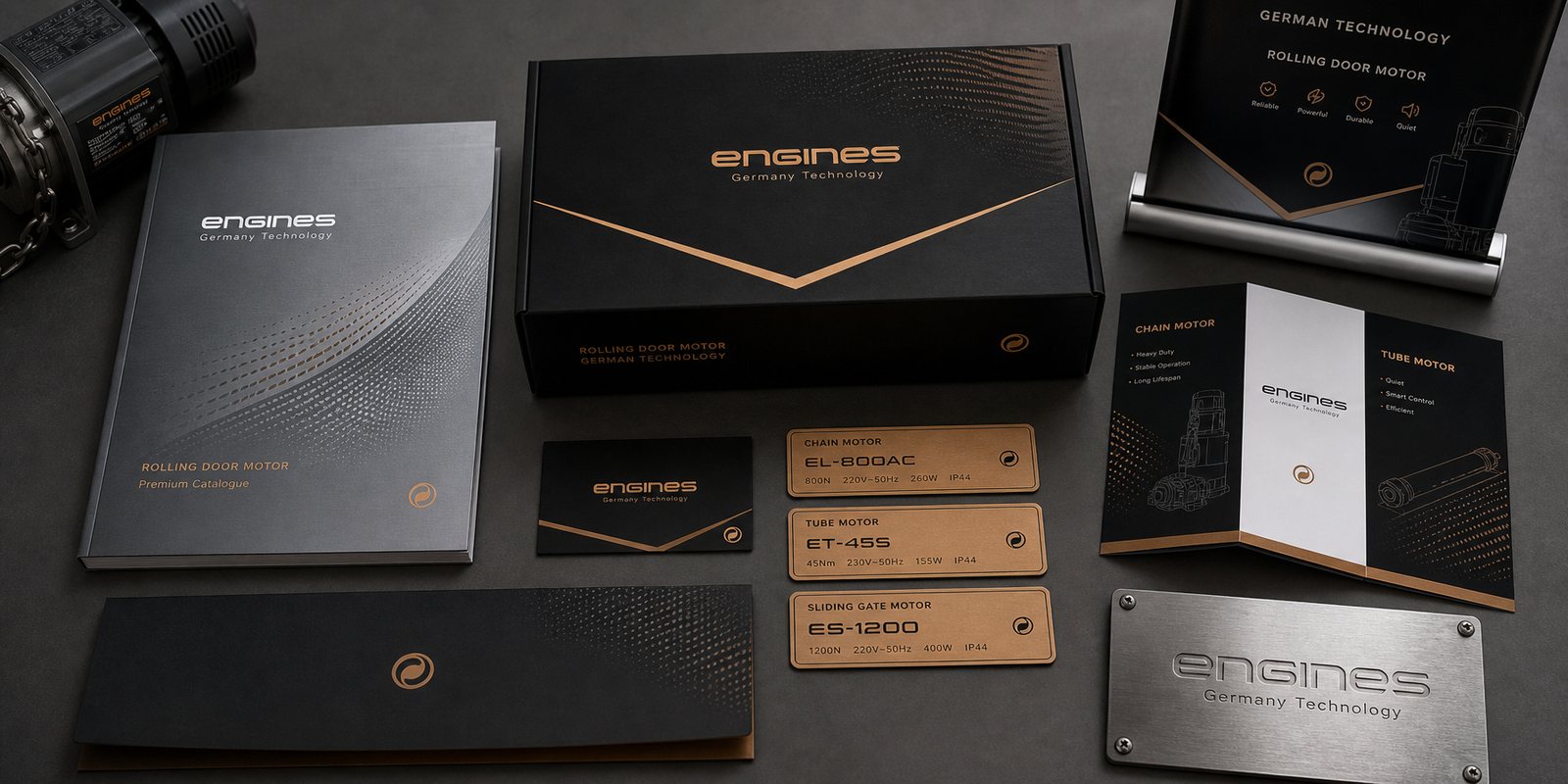
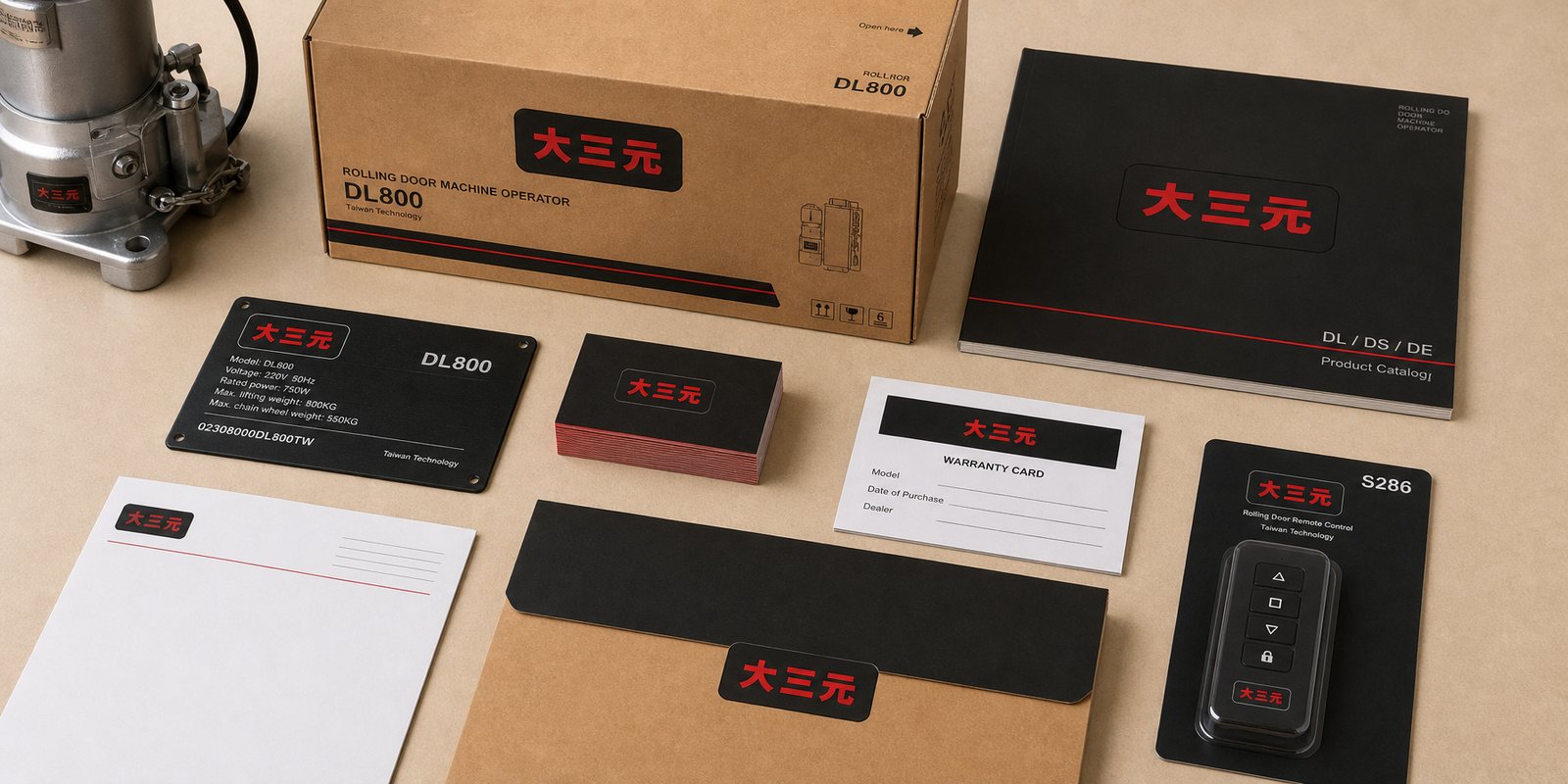
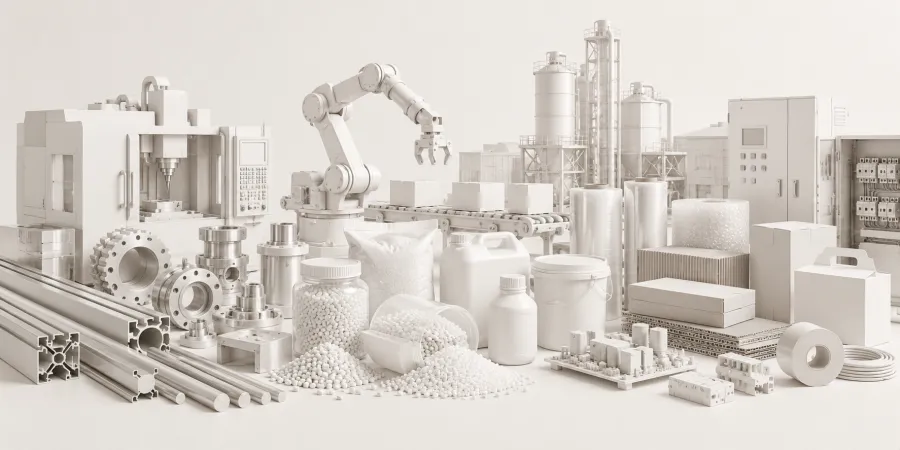
A sample set for an engineering company: a technical catalog, a specification table, photos of real machines at the plant, and a capability profile
Quick answer01

What does an engineering company's brand need?

Three things: a profile that speaks in measurable specifications, photos of the machines exactly as they are, and a catalog that can be read at a glance. Technical buyers only trust what they can check.

  1. A profile that speaks in specifications

    Tolerances, capacity, materials, and the processes you can run go on the first page instead of being buried in long text.

  2. Machine photos that look real

    Machines at the plant, running, with an operator, so buyers see real equipment and not stock images.

  3. A catalog you can look up instantly

    One page per machine line on the same frame: photo, main specifications, applications, and where the machine already runs.

Business types02

Three kinds of engineering company, three problems

All of them make products from metal, but the buyers differ, so what each has to prove differs too.

Machine building

Their customersOther factories buy machines to install in their own lines; the decision is technical and long-lived.

Brand challengeShow buyers the machine has run reliably elsewhere, and who supports it when it needs maintenance.

Precision machining

Their customersBuyers send drawings and choose a shop by its ability to hold tolerances.

Brand challengeShow that the shop can measure and inspect, not just say it can do the job.

Steel structures

Their customersInvestors and contractors choose a fabricator for plants and construction projects.

Brand challengeShow fabrication and erection capability and completed projects in one compact profile.

Pain points03

Four pain points specific to engineering companies

These are the places where engineering companies lose orders even though their craft is solid.

Customer journey04

At which stage do engineering companies lose the most orders?

At first screening. Buyers open profiles and catalogs to cut the supplier list, and they cut the ones where they can't find the specifications they need.

Where customers are most often lostFirst screening
Do this now
  1. Put the key specifications and the range of machines you can build on the first page of the profile.
  2. Give each machine line one page on the same frame, so an engineer can compare two lines at a glance.
  3. State clearly where the machines already run and who to call for technical support.
Touchpoints05

Five touchpoints to do first

Touchpoints are the places where buyers see the company. For an engineering company, these five decide whether the buyer invites you further.

  1. Technical catalog

    It's the first document an engineer opens and the one they keep longest.

  2. Capability profile

    The purchasing department uses it to filter the supplier list.

  3. Machine and plant photos

    They stand in for the first plant visit the buyer can't yet make.

  4. Trade show booth

    It's where buyers meet you in person and see real machines, so the name and machine type must read from a distance.

  5. Website

    Buyers look up the company name before replying to an email, so the site needs specifications and a technical contact.

Roadmap06

Where Sinh Vũ suggests starting

Listed in the order to do them. A small workshop can start with the first two steps; a company with many machine lines goes through all five.

  1. Brand Identity Design

    Name, mark, color, and type: the base for the profile, catalog, and machine plates.

  2. Product and brand photography

    A real photo set of machines and the plant, usable in every document.

  3. Sales and marketing collateral design

    A technical catalog with one shared frame for every machine line.

  4. Corporate capability profile design

    A capability profile told through specifications and projects.

  5. POSM and event booth design

    A booth and printed materials for industrial trade shows.

Projects07

Projects closest to an engineering company

Sinh Vũ has not yet published a machine building or precision machining project. The two projects below are multi-line electromechanical equipment, the closest match in terms of the problem.

Further reading08

More on machinery and engineering

FAQ09

Frequently asked questions

Core capabilities (machine types, size ranges, achievable tolerances), machining and inspection equipment, certifications, and a few key projects or clients you have permission to name. The figures come from the company; Sinh Vũ arranges them so buyers can look them up fast.

One page per machine line on the same frame: a real machine photo, main specifications, applications, and options. Put specifications in a table with consistent units, so engineers can compare two lines at a glance.

Use measurable capability: machine types and tolerance ranges, inspection equipment, the quality process, and anonymous descriptions by industry and batch size. Add a name or an endorsement once the client agrees.

Project by project: the type of building, the scale, the scope the company handled (fabrication, erection), and real photos. Buyers need to see that the company has done their kind of job.

It isn't required, since almost every shop uses one. Sinh Vũ looks for a mark of your own, drawn from the name, the story, or the way the shop works, and tests it at every size, from machine plates to the sign on the plant.

They should, when buyers read English or another language. The catalog frame leaves room for two languages so the page doesn't need re-laying out. The technical content is approved by the company.

Tell Sinh Vũ about your company

A few lines about your machine lines, your buyers, and what is holding you back are enough. Sinh Vũ reads them closely and replies.