Handicrafts and Gifts
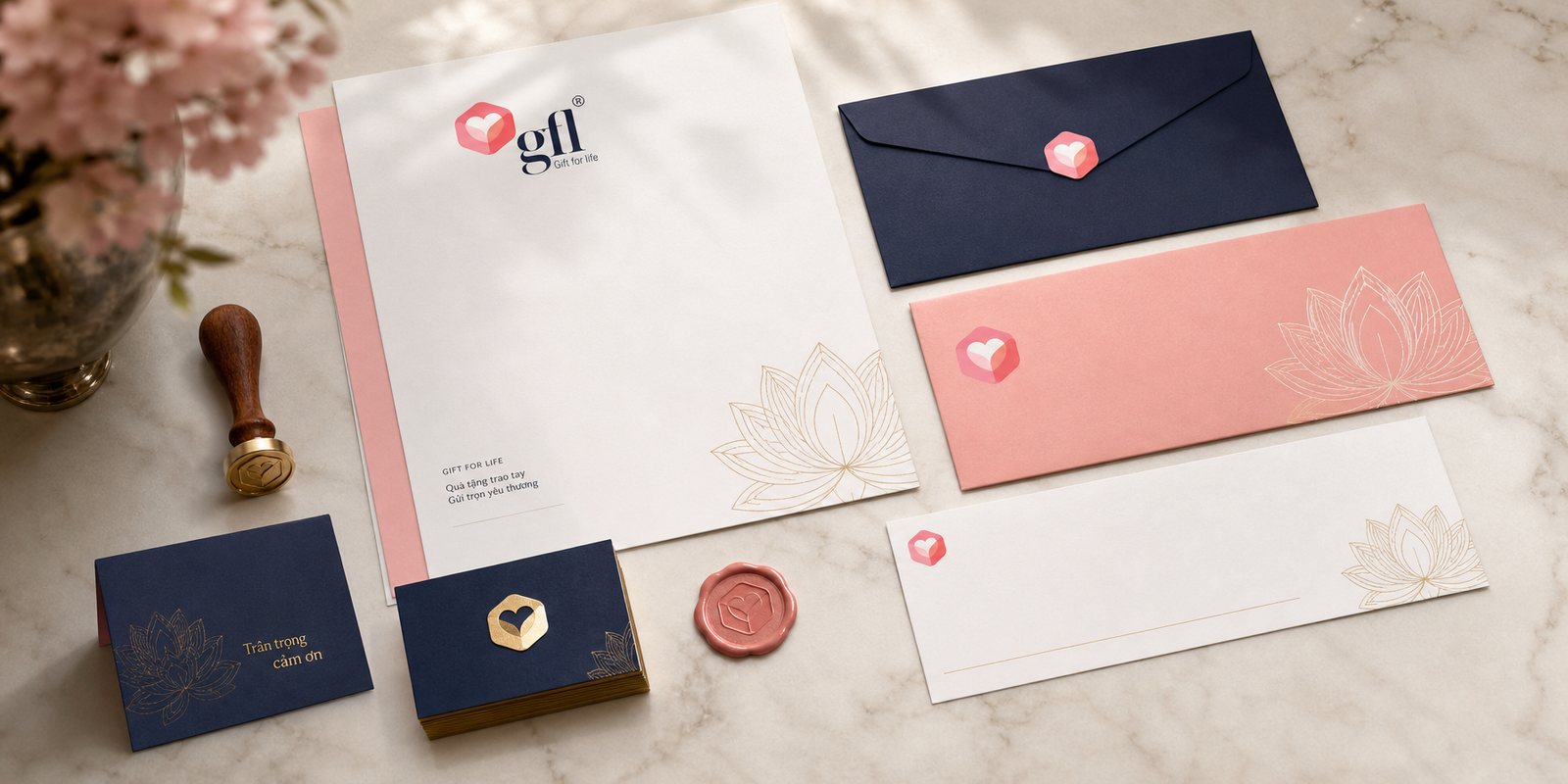
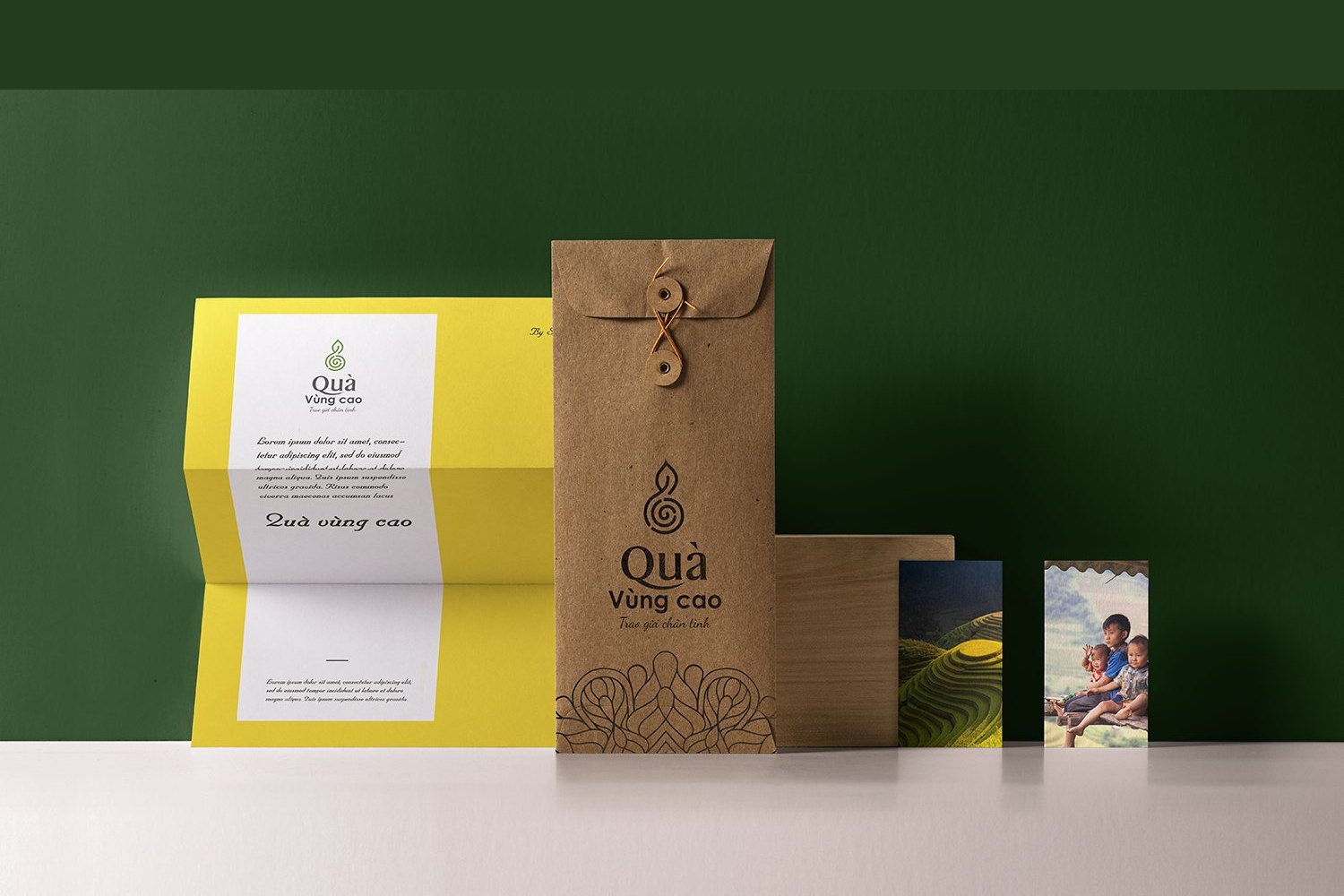
The handicraft and gift industry sells through the story of heritage and the artisan's hands. Sinh Vũ builds an identity system and packaging that accurately narrates the origins to enhance perceived value and pave the way for exports.

What does brand design for the handicraft industry require?
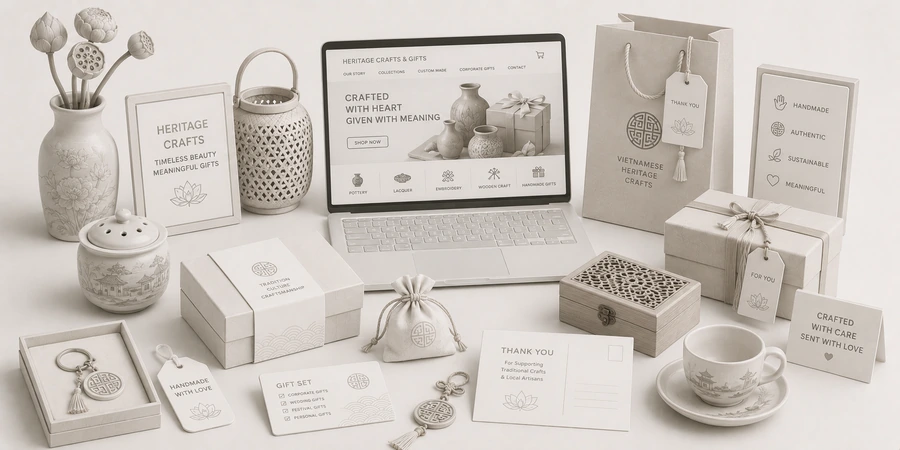
Handcrafted products hold value in craftsmanship and heritage, yet they are often sold as raw goods due to a lack of story and suitable packaging. A brand needs an identity system that evokes cultural depth, polished packaging for gifting, and a standard set of images to captivate both domestic and export markets.
For handcrafted goods, the story of heritage elevates a skillfully made item into a valuable gift. Packaging and standard imagery shorten the gap from admiration to willingness to pay.
Three things to address
Enhancing perceived value
Intricate products lacking a story and packaging are often undervalued as raw goods.
Tell the heritage right
The origins of craft villages and the artisans' skills need to be expressed in a modern way to connect with younger customers.
Open export pathways
Packaging and brand documentation must meet international standards to enter foreign markets.
Branching within the industry
Each branch has its own brand style and risks. Choose the branch that resonates with you the most.
The glaze quality and ceramic shapes need packaging and imagery that honor the craftsmanship.
Patterns and materials are the essence, and the origin story needs to be clearly told.
The level of intricacy and sustainability needs to be assured through standard imagery.
Packaging and the complete experience determine the value of the gift.
The personality of the maker and the story of craftsmanship create differentiation.