Architecture and interiors

Brand design for finishing materials and interior fixtures

Clients trust a sample they can touch, and only then remember the brand name.

Flooring, sanitaryware, kitchens, curtains and wallpaper come at the last stage of a home, where clients choose most by hand and by eye. Sinh Vũ puts your brand in exactly those places.

A finishing materials sample board: wood flooring planks, wallpaper, curtain fabric, a shower head and a kitchen appliance catalog on a cream ground
Quick answer01

What does a finishing materials brand need?

Three things: a real sample board that can be touched and has clear specifications, a catalog that helps architects and homeowners choose fast, and a display space that speaks the brand's style. Those three help clients remember the brand instead of only the discount.

  1. A real sample board

    Samples you can pick up, with a code name, specifications and photos of projects that used them, for architects to carry to homeowner meetings.

  2. An easy-to-choose catalog

    Organized by style and space, not by product code, with technical specifications that can be read.

  3. A consistent display

    Showroom, dealer display corner and sample room share one way of displaying and one way of speaking.

Business types02

Three material groups, three problems

Each group has different decision makers and a different way of choosing, so the brand needs to appear in different places.

Wood flooring, wall cladding

Their customersHomeowners and architects choosing surfaces that cover a whole space, looking at samples and touching them.

Brand challengeShow the real color and grain across a whole floor or wall, not just a small piece, and state durability plainly.

Sanitaryware, kitchen appliances

Their customersHomeowners choose by form and reliability, with technicians and architects advising strongly.

Brand challengeMake homeowners trust the quality and after-sales service, when the equipment sits behind walls and under counters.

Curtains, wallpaper

Their customersHomeowners and designers choose by style and the feel of the space.

Brand challengeHelp clients picture the sample once it is on the wall or hung in the room, not just look at a small swatch.

Pain points03

Four pain points specific to finishing materials

These are the places a finishing materials brand tends to lose its voice despite a good product.

Customer journey04

At which stage do finishing materials lose the most clients?

At the shortlist stage. Architects and homeowners filter a few brands through catalogs and project photos. If the catalog is hard to scan or the photos don't show the surface, the brand is passed over.

Where customers are most often lostBuilding a shortlist
Do this now
  1. Make one tight sample board to send architects, each sample with a code name, specifications and project photos.
  2. Organize the catalog by style and space, with a quick-reference specification table.
  3. State the warranty policy and the installers who have used the product right in the catalog.
Touchpoints05

Five touchpoints to do first

Touchpoints are the places where clients see, touch or hear about the brand. You don't need to do everything at once. These five decide most of whether the brand gets chosen.

  1. Material sample board

    What the architect brings to the homeowner meeting, so the brand is present at the moment the client decides.

  2. Showroom and sample room

    Where clients hold a sample and picture the real space.

  3. Catalog

    The selection tool for architects and homeowners, saved and passed between them.

  4. Dealer display corner

    Where the brand meets the most clients and controls the least.

  5. Packaging and product labels

    Present on site when the installer opens the box, and what the homeowner sees before installation.

Roadmap06

Where Sinh Vũ suggests you start

Listed in the order to do them. A brand new to the market can stop at step two or three; a brand with a dealer network goes all the way.

  1. Brand Identity Design

    Name, mark, color and type, the base for the catalog, packaging and dealer signage.

  2. Sales and marketing collateral design

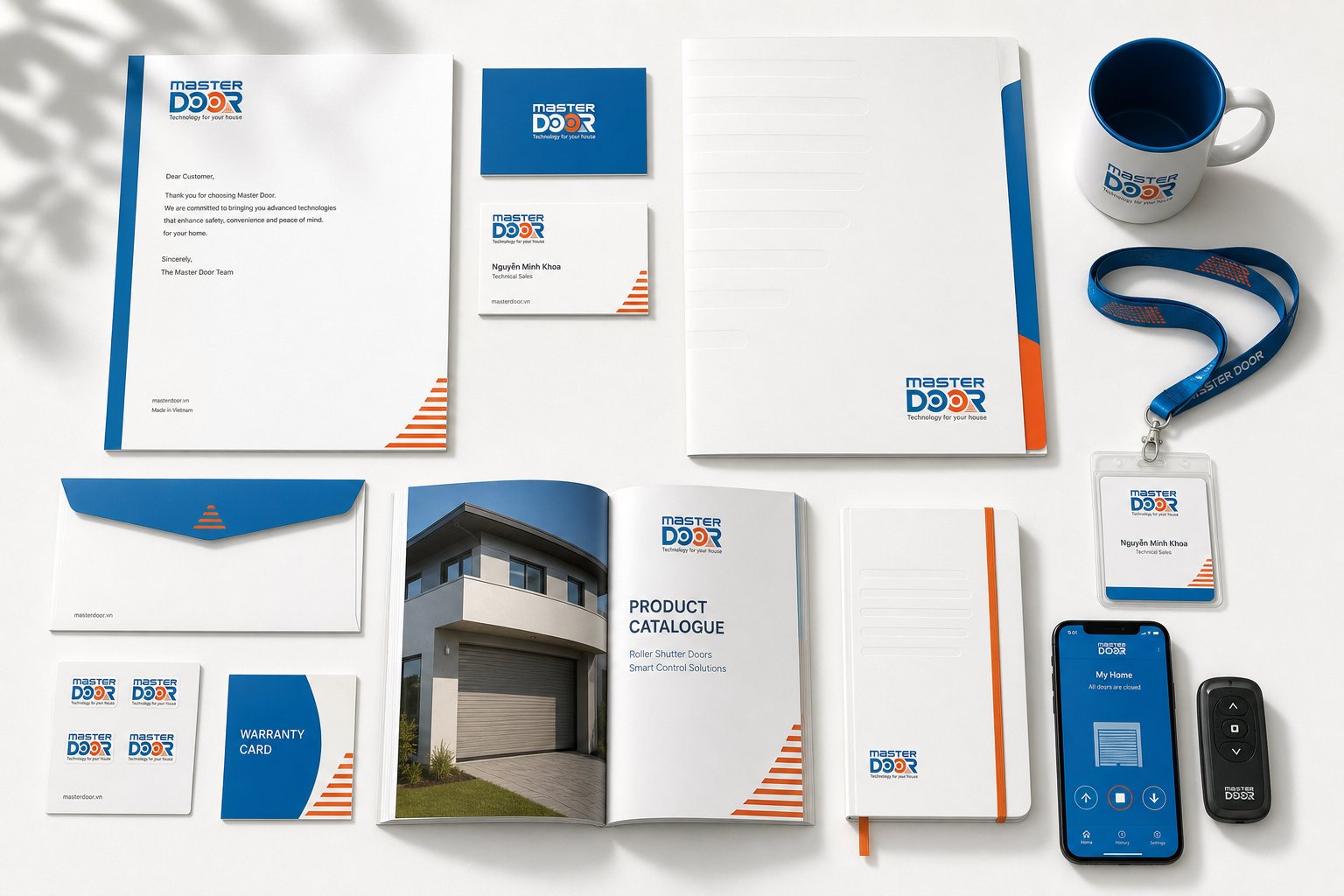
    A catalog organized by style and a material sample board for architects.

  3. POSM and event booth design

    Display standards for showrooms, dealers and sample rooms.

  4. Product packaging design

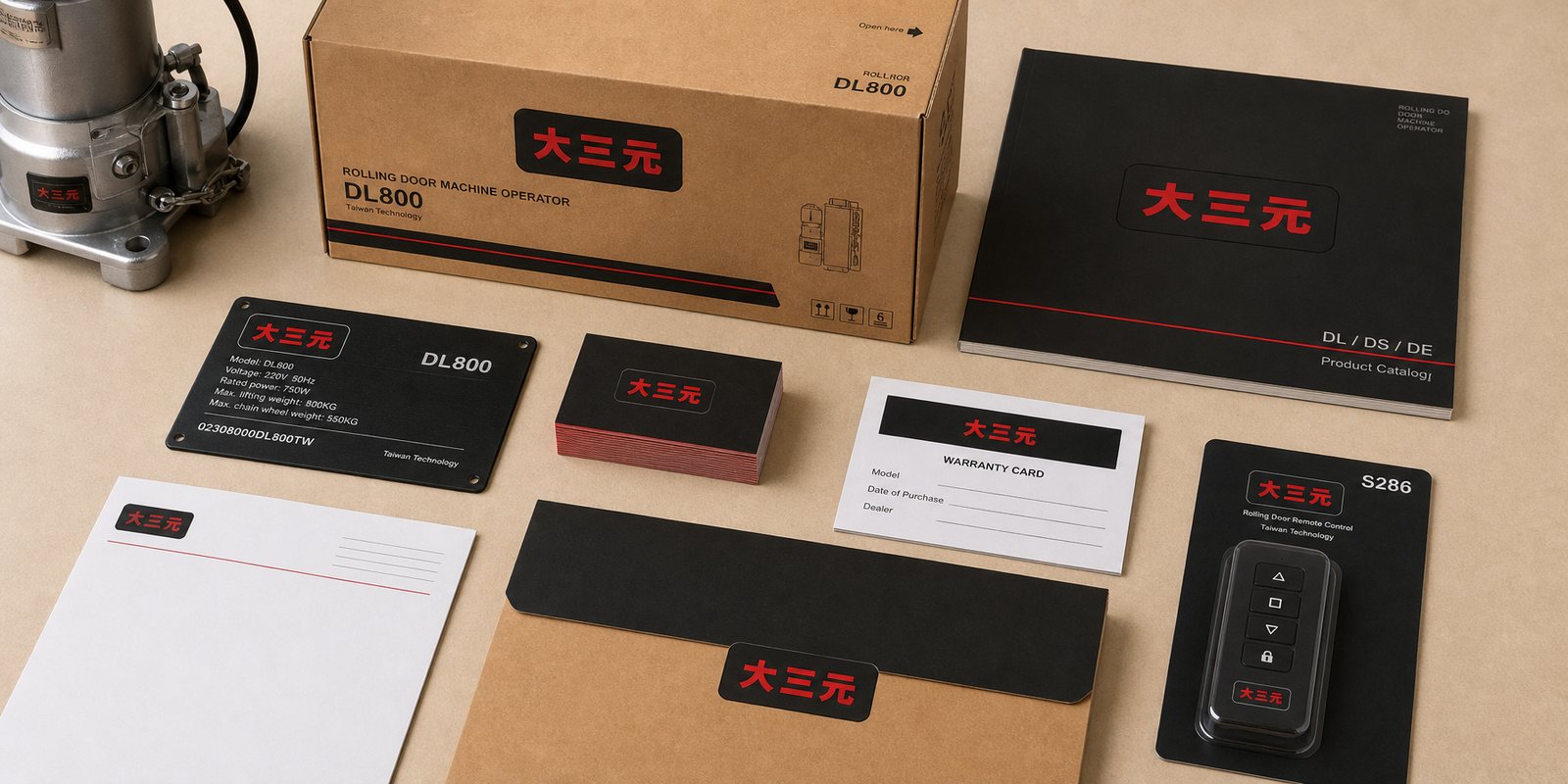
    Packaging and labels for packaged products, from flooring planks to installation fixtures.

  5. Product and brand photography

    Surface photography and product photos in real spaces.

Projects07

Projects closest to finishing materials

Sinh Vũ has not published a project for flooring, sanitaryware, kitchens, curtains or wallpaper. The three below sit close in materials and equipment for the home, where thousands of points of sale must speak in one voice.

FAQ09

Frequently asked questions

By style and grain color first, then technical specifications such as thickness, surface and water-resistance rating. Architects usually choose style first and specifications after.

Send a short standard with ready-made materials, so the dealer only has to put them out. The simpler the standard, the more people follow it, and there should be a periodic visit to check.

Give clients a reason to remember: a distinctive form, a clear warranty, real projects that used it. Because the equipment sits where few people look, touchpoints clients can see, like the catalog, showroom and product box, matter even more.

Real samples large enough to judge, code names, basic specifications, photos of projects that used them, and a contact point. Tight enough to carry, enough for the architect to introduce it to the homeowner.

Floor and wall tiles, paint and doors belong to the construction materials segment, see /nganh/real-estate-construction/construction-materials/. This page covers only wood flooring, wall cladding, sanitaryware, kitchens, curtains and wallpaper.

Tell Sinh Vũ about your products

A few lines about the products, where they are sold and what is holding you back is enough. Sinh Vũ reads and replies within one working day.