Architecture and interiors

Brand design for architecture practices and architects

Homeowners hire a way of thinking, but all they get to see is photographs.

An architecture practice sells thinking, the hardest thing to photograph. Sinh Vũ makes that thinking read as one through the name, the profile, the project photos and the website, so a stranger understands what sets you apart.

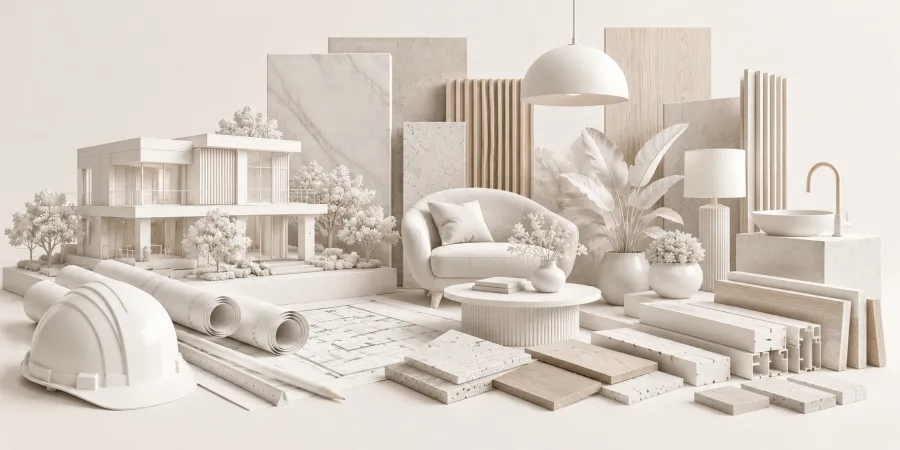
A sample print set for an architecture practice: company profile, drawings, a scale model and business cards on a cream ground
Quick answer01

What does an architecture practice's brand need?

Three things first: a name and positioning that say what the practice stands for, a profile that tells a few signature projects, and a photo set shot by professionals. Those three help homeowners tell you from ten other practices.

  1. Positioning and name

    One sentence stating which kinds of projects the practice takes on and how it looks at space.

  2. A profile that tells projects

    A few signature projects, each stating the homeowner's problem and how the practice solved it.

  3. Professional project photography

    Photos that show light, proportion and material, and state clearly which are renders and which are built projects.

Business types02

Three kinds of practice, three problems

All of them design architecture, but their clients and the way they get chosen differ, so the brand has to speak differently.

Residential architecture practices

Their customersHomeowners building a townhouse or villa, usually once in a lifetime, who research very carefully.

Brand challengeShow homeowners that the practice understands how they live, and earn enough trust for the largest sum of their lives.

Building design firms

Their customersInvestors and businesses building offices, stores and factories, choosing through profiles and tenders.

Brand challengeA company profile that shows the team, the process and projects of the same scale, to make the shortlist.

Independent practicing architects

Their customersClients arrive through acquaintances and social media, trusting one specific person.

Brand challengeBuild the brand around one person while leaving room to grow into a practice as the team expands.

Pain points03

Four pain points specific to architecture practices

These are the places architecture practices get passed over despite strong design thinking.

04

A website that doesn't lead clients to a meeting

The site is just a photo collection, with no word on which home types you do, what the process is or how to get in touch.

Group projects by home type, spell out the working steps and leave one clear way to book a meeting.

Start from this problem
Customer journey04

At which stage do architecture practices lose the most clients?

At the shortlist stage. Homeowners filter a few practices through websites and profiles before booking a meeting. With a generic profile, a practice is struck off before it gets the chance to speak.

Where customers are most often lostBuilding a shortlist
Do this now
  1. Put your three best projects at the top of the profile and website, matching the home type you want more of.
  2. For each project, write three things: what the homeowner needed, what made the site hard, and how the practice solved it.
  3. State clearly which kinds of projects the practice does not take, so the right clients find you.
Touchpoints05

Five touchpoints to do first

Touchpoints are the places where homeowners see, touch or hear about the practice. You don't need to do everything at once. These five decide most of the first impression.

  1. Company profile

    It is what homeowners and investors keep, forward to others and set beside other practices' profiles.

  2. Project photos

    Clients judge craft through photos before they talk.

  3. Website

    Where clients look next after seeing photos on social media or hearing a referral.

  4. Design proposal

    It is the first time clients see how the practice presents an idea, so the way it is presented is also the brand.

  5. Business cards and email signature

    Small things that travel with the practice to every meeting and every exchange.

Roadmap06

Where Sinh Vũ suggests you start

Listed in the order to do them. An architect who has just gone independent can stop at step two or three; a practice with a team goes all the way.

  1. Brand strategy and positioning consulting

    Settle what the practice stands for and which kinds of projects it takes, so everything after says one thing.

  2. Brand Identity Design

    Name, mark, color and type, tight enough to stand beside the work without competing for space.

  3. Corporate capability profile design

    A company profile and a proposal template that tell your signature projects.

  4. Product and brand photography

    A professional shoot for a few delivered projects, usable for years.

  5. Brand website design

    A website that groups projects by home type and leads to the meeting.

Projects07

Projects closest to architecture practices

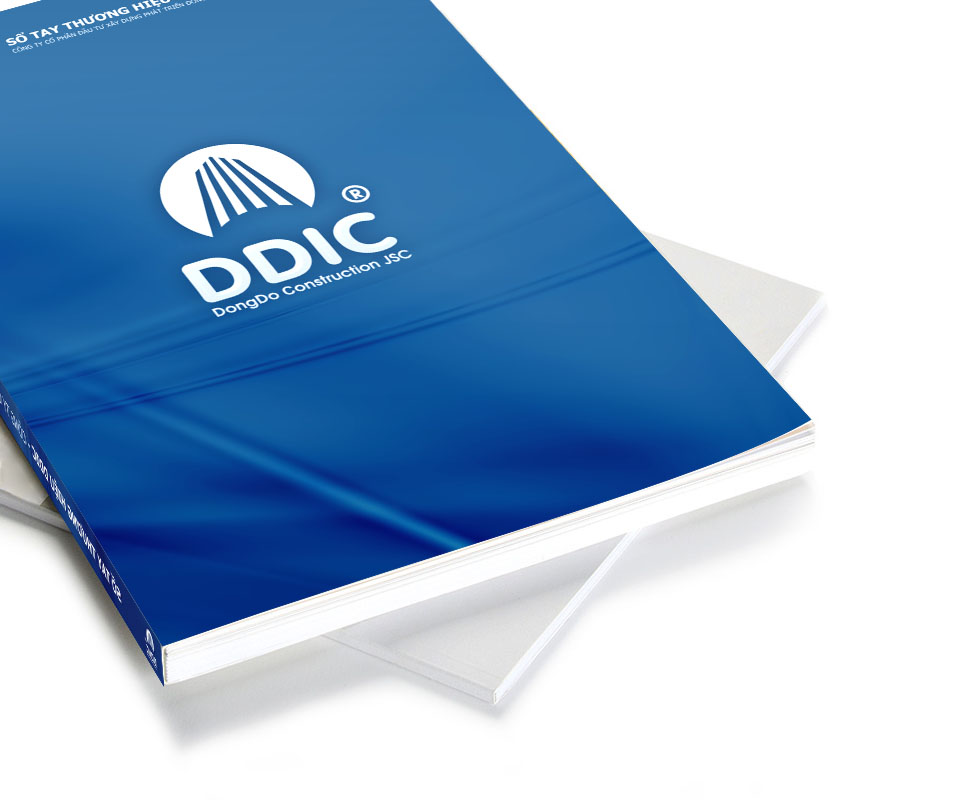
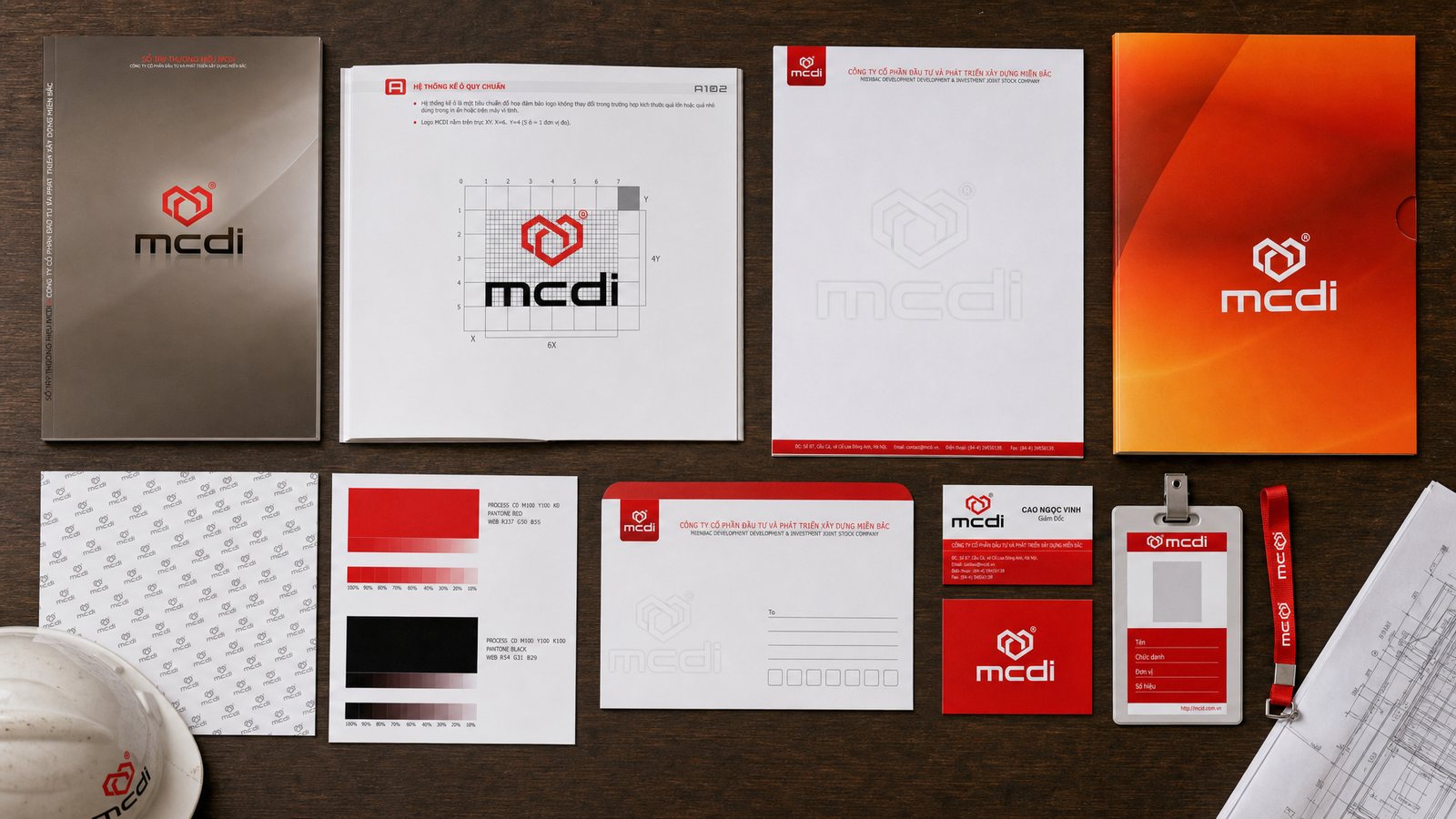
Sinh Vũ has not published a project for an architecture practice. The two below sit close in making reputation visible and in building a company profile for a construction company.

FAQ09

Frequently asked questions

A personal name suits a practice built around one architect that wants to stay that way. If you plan a team or a handover, an independent name lasts longer. Decide early, because renaming later is costly.

There is no right page count. It should be short enough that the reader finishes it: usually a few signature projects with an introduction to the practice and its process. The remaining projects live on the website.

They need the core: name, logo, color, type and one tight profile. Not every printed piece yet. The rest comes once you have a team and more projects.

Right after handover, while the project is still clean and not yet overrun by belongings, and with a plan made in advance to get the homeowner's permission. Daylight and late afternoon usually give two different kinds of photo.

Yes, because renders show the idea. But label clearly which are renders and which are delivered projects, and give built projects the more prominent place.

Projects grouped by home type, an introduction to the practice and how it works, articles if you have them, and one clear way to get in touch. Each project carries a few lines stating the problem, not just photos.

Tell Sinh Vũ about your practice

A few lines about the practice, the kinds of projects you have done and what is holding you back is enough. Sinh Vũ reads and replies within one working day.