
Architecture and interiors

Brand design for furniture and decor

Clients don't buy a chair. They buy a home they want to live in.

Furniture sells on the feeling of a space, and photos and showrooms have to evoke that feeling. Sinh Vũ gives the brand a clear style so clients can picture their own home.

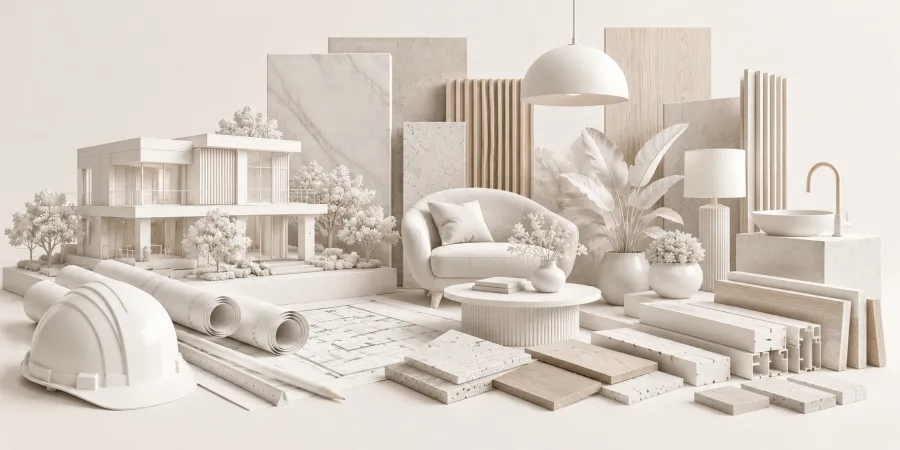
A sample print set for a furniture and decor brand: catalog, material tags, space photography and a wood sample board
Quick answer01

What does a furniture brand need?

Three things first: a lifestyle that can be named, a space photo set that shows material and light, and a catalog that helps clients choose and share with family. Furniture clients decide slowly and as a group, so everything has to be clear enough for them to discuss.

  1. A lifestyle that can be named

    Say in one sentence what kind of home the brand is for and how the people in it live.

  2. Space photos that show the material

    Wood, fabric and metal with visible grain and warmth, in the setting of a real home.

  3. A catalog that is easy to discuss

    With sizes, materials, colors and pairing suggestions; looks good sent online and printed.

Business types02

Three kinds of furniture, three problems

All of it is for the home, but clients and the way they decide differ, so what the brand has to say differs too.

Tables, chairs, cabinets, shelving

Their customersHomeowners or design advisers, buying by the set or by the project, deciding slowly with the whole family weighing in.

Brand challengeLet clients picture the piece in their own home, and trust its durability after years of use.

Lighting, decorative objects

Their customersClients buy smaller pieces, faster, often as a housewarming gift or to refresh a room.

Brand challengeEven a small piece needs a style, so clients buy the next ones.

Handmade decor

Their customersClients choose a piece with a story and the maker's hand in it, and accept that each one differs.

Brand challengeShow the real craft and origin, so a one-of-a-kind piece is valued above a mass-produced one.

Pain points03

Four pain points specific to furniture

These are the places furniture brands tend to lose clients that a beautiful piece can't save.

01

Photos that don't capture the material

Glossy staged shots, and clients can't tell real wood from engineered wood, or thick fabric from thin.

Photos in real spaces with natural light, plus close-ups of wood grain, joints and fabric surface.

Start from this problem

Customer journey04

At which stage do furniture brands lose the most clients?

At the visit stage. Clients study photos and the catalog closely before coming to the showroom; if the photos don't show the material or the sizes are missing, they don't come.

Where customers are most often lostVisiting
Do this now
  1. Put the size and material right beside each piece's photo, not at the end of the catalog.
  2. Add photos of the piece in a real home so clients can judge scale.
  3. Let clients book a showroom visit right on the page, with a photo of the storefront to make it easy to find.
Touchpoints05

Five touchpoints to do first

Touchpoints are the places where clients see, touch or hear about the brand. You don't need to do everything at once. These five decide most of whether clients seek out the showroom.

  1. Space photography

    What clients look at first and use to picture the piece in their own home.

  2. Catalog

    Clients send it to family and to their designer to choose together.

  3. Showroom

    Where clients touch the materials and make the final decision.

  4. Website

    Where clients see the brand as a whole and book a visit.

  5. Material tags and labels on the product

    Clients reread them when caring for the piece, so they are the mark that stays longest.

Roadmap06

Where Sinh Vũ suggests you start

Listed in the order to do them. A new brand can stop at step two or three; a brand that already has a showroom goes all the way.

  1. Brand strategy and positioning consulting

    Settle the lifestyle and the group of clients the brand wants to serve.

  2. Brand Identity Design

    Name, mark, color, type and a label that works on wood, metal and fabric.

  3. Product and brand photography

    A space photo set and close-ups of the material.

  4. Corporate capability profile design

    A catalog that is easy to discuss, with sizes and pairing suggestions.

  5. POSM and event booth design

    Display, signage and description boards for the showroom.

Projects07

Projects closest to furniture

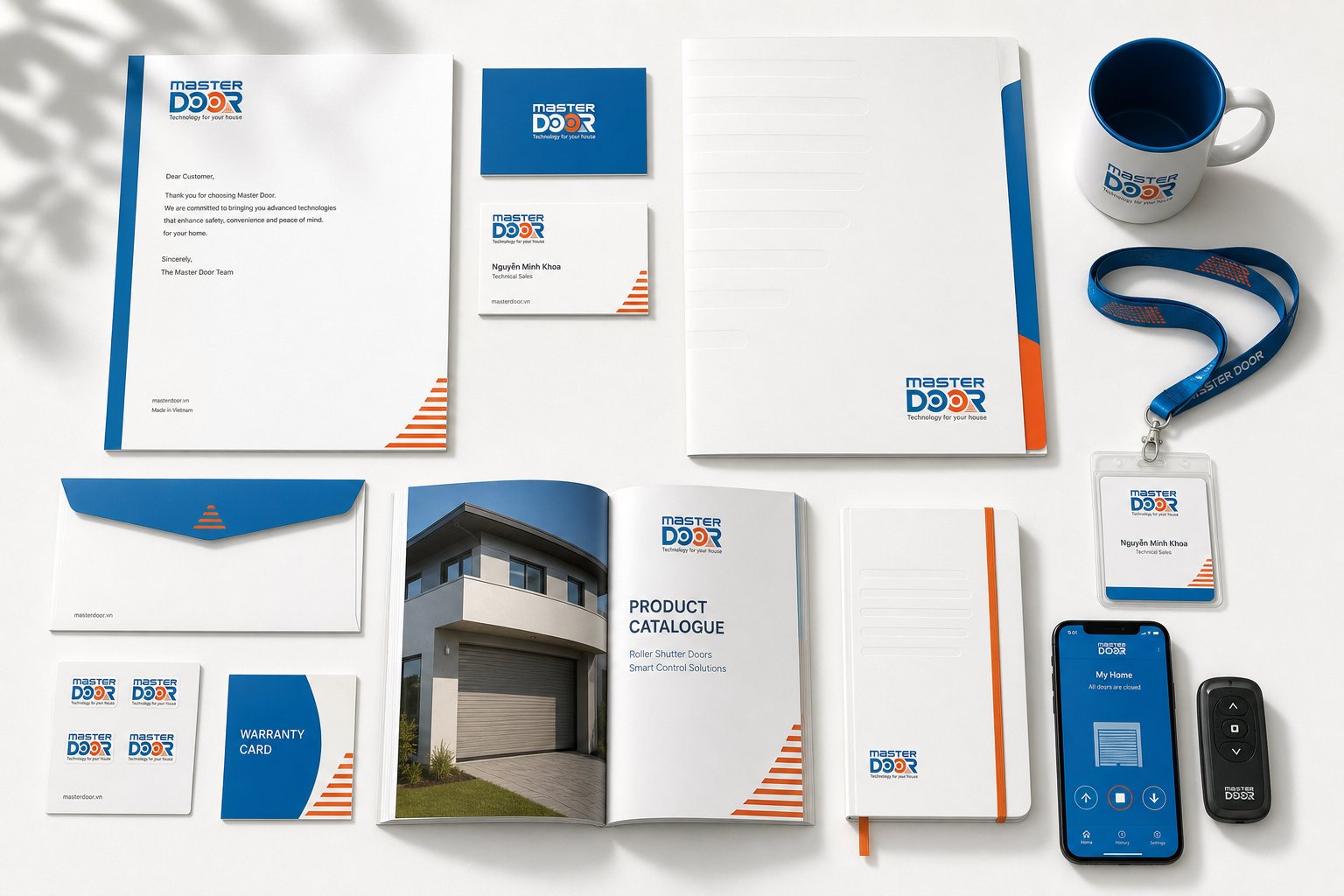
Sinh Vũ has not published a furniture or decor project. The two below sit close in building a brand for a materials product and for a manufacturer that needs a face of its own.

Further reading08

More on furniture and decor brands

FAQ09

Frequently asked questions

Keep it tight, so it works engraved or stamped onto wood and metal and on a fabric label. The logo's style should follow the material and spirit of the brand, not what is fashionable.

Photos in real spaces, close-ups of material, sizes, materials, colors and pairing suggestions. Have two versions: one beautifully printed and one light to send online.

Share the color palette, typefaces, photo style and way of writing descriptions. Clients browse online first and then visit, so they should find the same world they saw.

Tell about the maker, the raw materials, the method and why each piece differs. Tell only what is true, briefly, on a tag that comes with the piece.

A lean page is enough: space photos, a range of pieces, sizes, and how to order or book a visit. Clients usually search online before they come.

Sinh Vũ has not published a furniture or decor project. The closest are MASTER DOOR (roller shutters) and KOVA (paint and construction materials).

Tell Sinh Vũ about your brand

A few lines about the products, the showroom and what is holding you back is enough. Sinh Vũ reads and replies within one working day.