Automotive and mobility

Brand design for electric motorbikes, e-bikes and charging services

Customers hold back from electric vehicles because one question still has no short answer.

Electric vehicles sell a new way of getting around, so the first thing to sell is understanding. Sinh Vũ helps brands explain batteries, charging and warranty in words and images customers relate to.

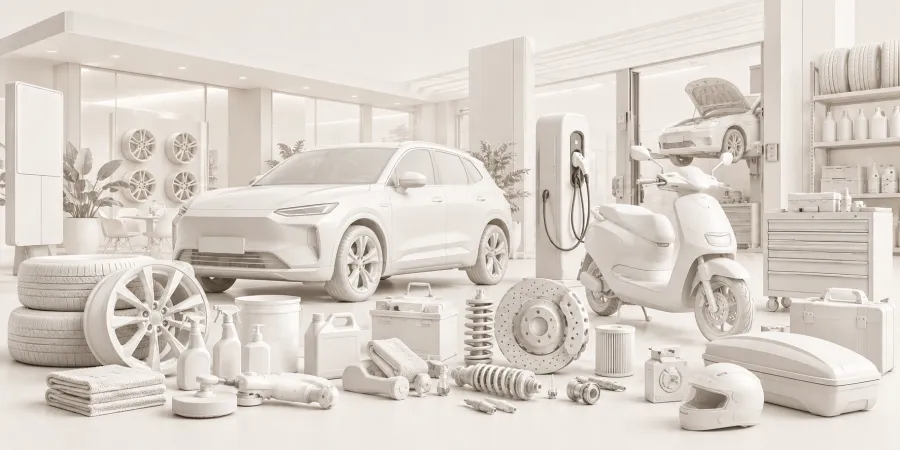
A sample object set for an electric vehicle brand: a model electric motorbike, a charging post, a battery explainer card and a warranty leaflet
Quick answer01

What does an electric vehicle brand need for customers to trust it?

You need one consistent explanation of battery, charging and warranty, placed wherever customers look for answers. Name, mark and imagery come after that.

  1. Clear positioning among many brands

    Customers see at once who this vehicle is for and how it differs from unbranded goods.

  2. An explanation of battery, charging and warranty

    One set of answers shared by the website, points of sale and advisors.

  3. Illustrations that are easy to understand

    How the battery works, where to charge and what the warranty covers, shown in images and short videos.

Business types02

Three kinds of electric vehicle brand, three problems

All of them run on electricity, but the customers and their worries differ, so what needs explaining differs too.

Electric motorbikes

Their customersStudents and workers used to petrol bikes, weighing a switch to electric.

Brand challengeExplain range, charging time and battery life in everyday words, and show the bike is different from unbranded imports.

Electric bicycles

Their customersStudents, older adults and short-distance riders, who usually buy through shops and personal referrals.

Brand challengeSpeak clearly about safety and warranty, because customers fear a cheap bike that breaks early.

Charging and battery swap

Their customersElectric vehicle users who need to know where to charge and how to swap a battery conveniently.

Brand challengeCharging and swap points must be easy to spot, easy to use and carry a trustworthy identity.

Pain points03

Four pain points specific to electric vehicles

These are the places where customers hesitate, even when the product is good.

Customer journey04

At which stage do electric vehicle brands lose the most customers?

At Research. Customers watch videos, read reviews and ask community groups, and if they find no answer about battery and charging they go back to the familiar petrol bike.

Where customers are most often lostResearch
Do this now
  1. Put customers' three biggest questions (battery, charging, warranty) at the top of the website and sales pages.
  2. Make a short video that explains with pictures, using no jargon without explaining it.
  3. Give sellers at every point the same set of answers, so customers hear the same thing wherever they ask.
Touchpoints05

Five touchpoints to do first

Touchpoints are the places where customers see, hear and ask about electric vehicles. The five below decide whether customers understand enough to dare to buy.

  1. Website and sales pages

    Where customers compare most carefully, and where the battery, charging and warranty questions can be answered.

  2. Explainer videos

    They help customers quickly grasp what is hard to see, and get shared in community groups.

  3. Product material

    Sellers carry it, and customers take it home to reread and ask family.

  4. Points of sale and display areas

    Electric vehicles stand next to petrol ones, so they need a voice of their own to avoid being lost.

  5. Charging points and usage instructions

    They show customers the ecosystem is real, not just a single vehicle.

Roadmap06

Where Sinh Vũ suggests starting

Listed in the order to do them. A new brand can stop at step two to launch; one that already has a dealer network goes further.

  1. Brand strategy and positioning consulting

    Settle the positioning among the many electric vehicle brands jostling for attention.

  2. Brand Identity Design

    Name, mark, color and type that work on the body, the battery and the charger.

  3. Sales and marketing collateral design

    Material explaining battery, charging and warranty for sellers and customers.

  4. Brand video and animation production

    Video and motion graphics that explain what is hard to see.

  5. Brand website design

    An introduction and comparison site that answers the full set of customer questions.

Projects07

Related work for electric vehicles

Sinh Vũ has not yet published an electric vehicle project. The two projects below are close in multi-line electromechanical products that need explaining simply.

FAQ09

Frequently asked questions

What customers worry about: how long the battery lasts, where to charge, how the warranty works. Short, consistent answers at every touchpoint build trust faster than a slogan.

Better to avoid them, since almost every brand does. Sinh Vũ looks for a detail drawn from the brand's story and customers, then tests the logo at small sizes on the body and as a profile picture.

Settle the three questions customers ask most, write the script in everyday words, then illustrate the battery and the charging flow. Every technical figure must be supplied and verified by the brand.

Yes, because customers must spot them from afar and understand how to use them at once. They need a recognizable mark, short instructions and consistent colors at every point.

Give the shop a set of display items and a leaflet on warranty and safety in large type. The seller is often the person customers trust most, so they need material to say the right things.

Tell Sinh Vũ about your electric vehicle product

A few lines about the product, the customers and what is holding you back is enough. Sinh Vũ reads carefully, then replies.