Fashion and lifestyle

Brand design for sustainable fashion

Clients believe the word green when they see proof, not when they see a leaf on the logo.

Sustainable fashion lives on trust, and trust only exists when materials and methods can be told and verified. Sinh Vũ helps your brand say so clearly and briefly, without overclaiming.

A sample print set for a sustainable fashion brand: a material tag on recycled paper, a cloth bag and a kraft paper box
Quick answer01

What does a sustainable fashion brand need?

Three things first: statements about materials and methods that come with proof, a material tag clients can read in three seconds, and a story about where the piece is made. Sustainability that can't be proven is treated by clients as just advertising.

  1. Statements with proof

    Every claim about material, origin or method has something to check: documents, workshop photos, supplier names.

  2. A material tag that reads fast

    What fabric, where it was made, how to care for it, all on one small tag.

  3. A story of where it's made

    Real people, a real workshop, a real process, told briefly and without embellishment.

Business types02

Three kinds of sustainable fashion, three problems

All of it is called sustainable, but each kind has something different to prove.

Recycled goods

Their customersClients who care about the environment and often ask what the piece is made from and how it was recycled.

Brand challengeSay clearly which part is recycled and from what source, and don't let clients assume the whole piece is recycled if it isn't.

Natural fabrics

Their customersClients looking for comfort and peace of mind on the skin, who pay attention to fabric and dyes.

Brand challengeHelp clients understand what makes the material different in everyday words, with care instructions.

Handmade fashion

Their customersClients who value the hand that made it and accept buying less and waiting longer.

Brand challengeShow real craftsmanship through close-up photos and the maker's story, so clients understand why the piece takes time.

Pain points03

Four pain points specific to sustainable fashion

These are the places where sustainable brands tend to lose trust, and good intentions can't save them.

04

Packaging that undermines the message

The brand says sustainable, but the order arrives in multi-layer plastic, and clients see the contradiction at once.

Choose packaging in paper, cloth or few types of material, and print just enough information, nothing extra.

Start from this problem
Customer journey04

At which stage do sustainable brands lose the most clients?

At the Browse stage. Clients read closely before buying and are quick to doubt; wherever proof is missing, they leave or go ask somewhere else.

Where customers are most often lostBrowse
Do this now
  1. Put the material tag right on the product page: what fabric, where it was made, how to care for it.
  2. Have a separate page about the workshop and suppliers, with real photos.
  3. Use only words you can back with proof; where you haven't managed it yet, say plainly that you're working on it.
Touchpoints05

Five touchpoints to do first

Touchpoints are the places where clients see, touch or hear about the brand. You don't need to do everything at once. These five touchpoints decide the trust of sustainability-minded clients.

  1. Material tag

    The smallest place and the one clients trust most, because it holds specific information.

  2. Website

    Where clients read closely and look for proof before deciding.

  3. Packaging

    Clients look at it when unboxing to see whether words and actions match.

  4. Workshop story

    Shows clients the real people and the real process behind the piece.

  5. Product photos

    Close-ups of fabric and stitching speak in place of claims.

Roadmap06

Where Sinh Vũ suggests starting

Listed in the order to do them. A new brand can stop at step two or three; a brand with regular clients goes through them all.

  1. Building brand voice

    Settle how you speak: what can be said and what shouldn't be said yet.

  2. Logo and Brand Identity Design

    A mark and colors drawn from real materials, not borrowed from common green symbols.

  3. Product packaging design

    Material tags, bags and boxes in materials that fit the message.

  4. Product and brand photography

    Close-ups of materials, the workshop and the people who make it.

  5. Brand website design

    A site that tells materials, process and proof in one place.

Projects07

The closest projects to sustainable fashion

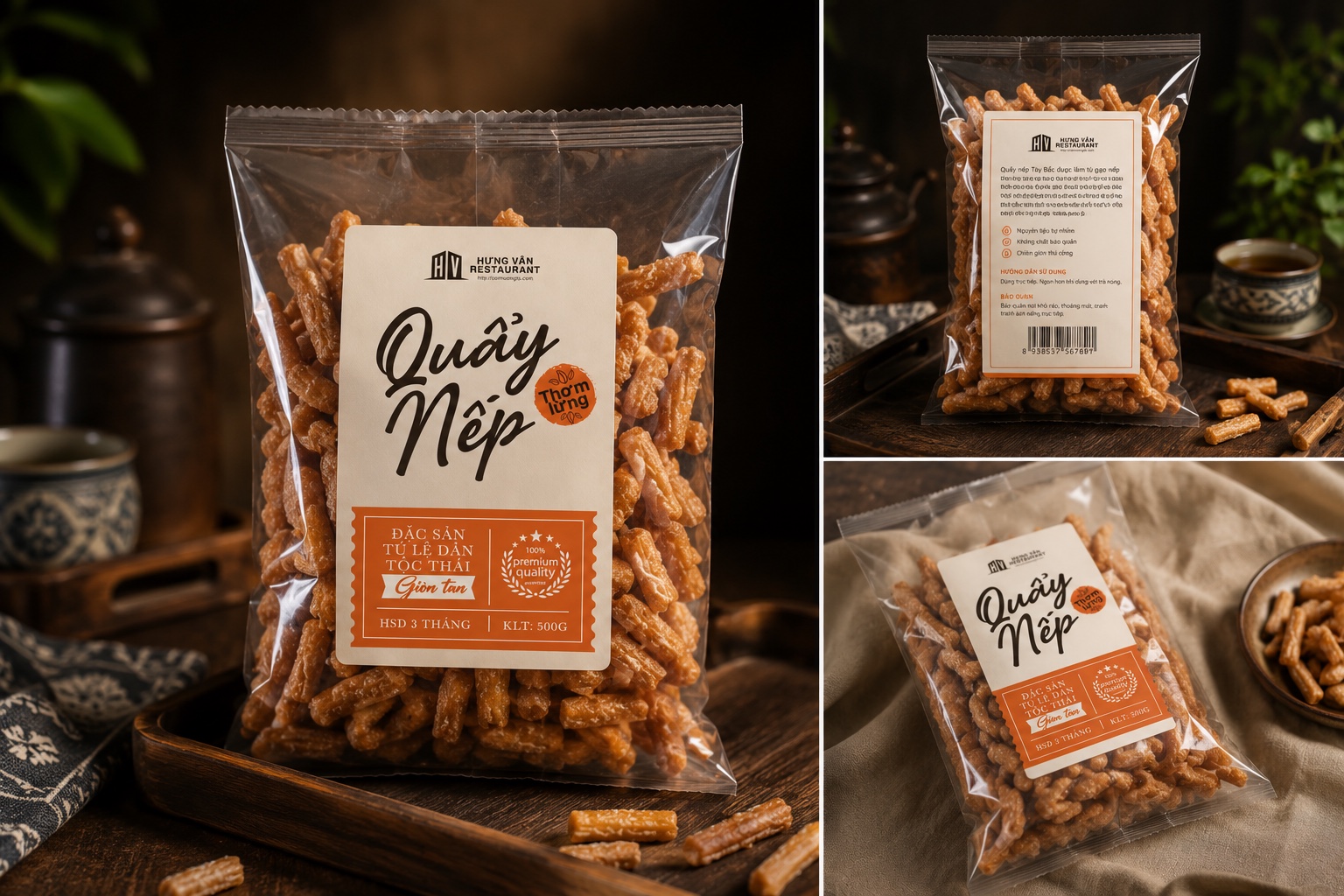
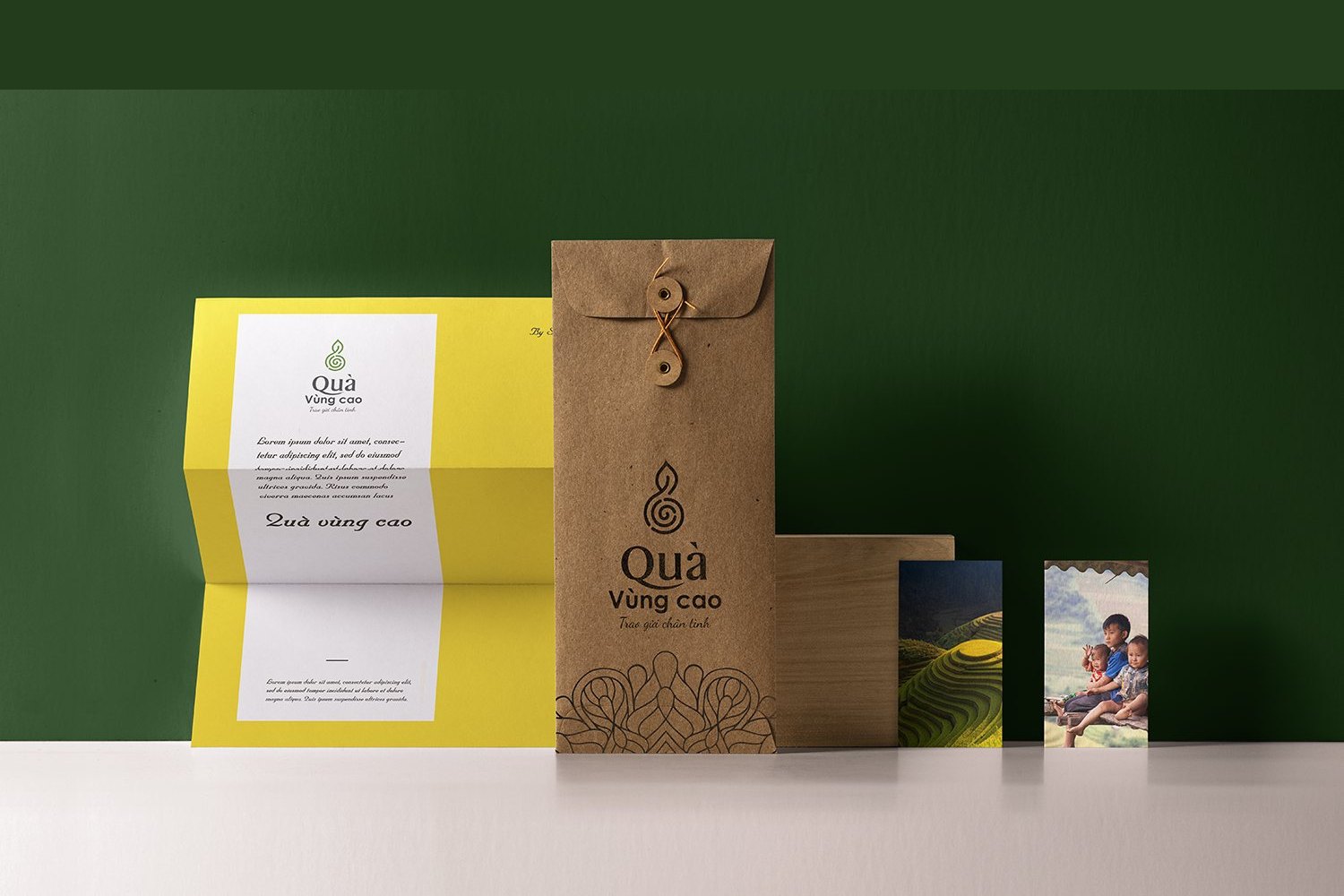
Sinh Vũ hasn't published a sustainable fashion project. The two projects below are close on the problem of telling origin and material through packaging.

Further reading08

More on sustainable fashion

Free toolTouchpoint map for this business modelSee the five stages customers pass through, where they drop off most, then rate the five touchpoints to fix first.Open the tool Free toolCrop images for every placementFrom one image, get the right format for Facebook, Zalo, TikTok, Shopee and YouTube, with the important part kept in frame and light compression for fast loading.Open the tool
FAQ09

Frequently asked questions

Say only what you have proof for, put the proof beside the claim, and say plainly where you haven't managed it yet. Clients trust honesty more than a list of good things.

The type of fabric, where it was woven or sewn, care instructions and one sentence on why the material was chosen. Keep it short so clients can read it while trying on.

Choose materials of few types, easy to recycle or reuse, with few layers. What matters is that the packaging matches what the brand says. You can also read the article on how far sustainable packaging needs to go.

Third-party certification helps clients trust you more, but not every brand has one right away. The safe approach is to say only what you can prove, and to read the article on green claims before you write.

Tell what this price buys: the material, the time, the people, and why only small quantities are made. Avoid direct comparison with mass-market goods.

Sinh Vũ hasn't published a sustainable fashion project. The closest are packaging systems that tell origin, such as Hưng Vân and Quà vùng cao.

Tell Sinh Vũ about your brand

A few lines about your materials, your methods and what is holding you back is enough. Sinh Vũ reads it and replies within one working day.