Travel and accommodation

Brand design for wellness resorts

Guests come to rest and feel lighter, so they need to trust you before they book.

A wellness resort sells calm, and calm begins with how the place appears to guests. Sinh Vũ gives your resort a face of its own, a measured voice and clear program documents, without overstating what you can't promise.

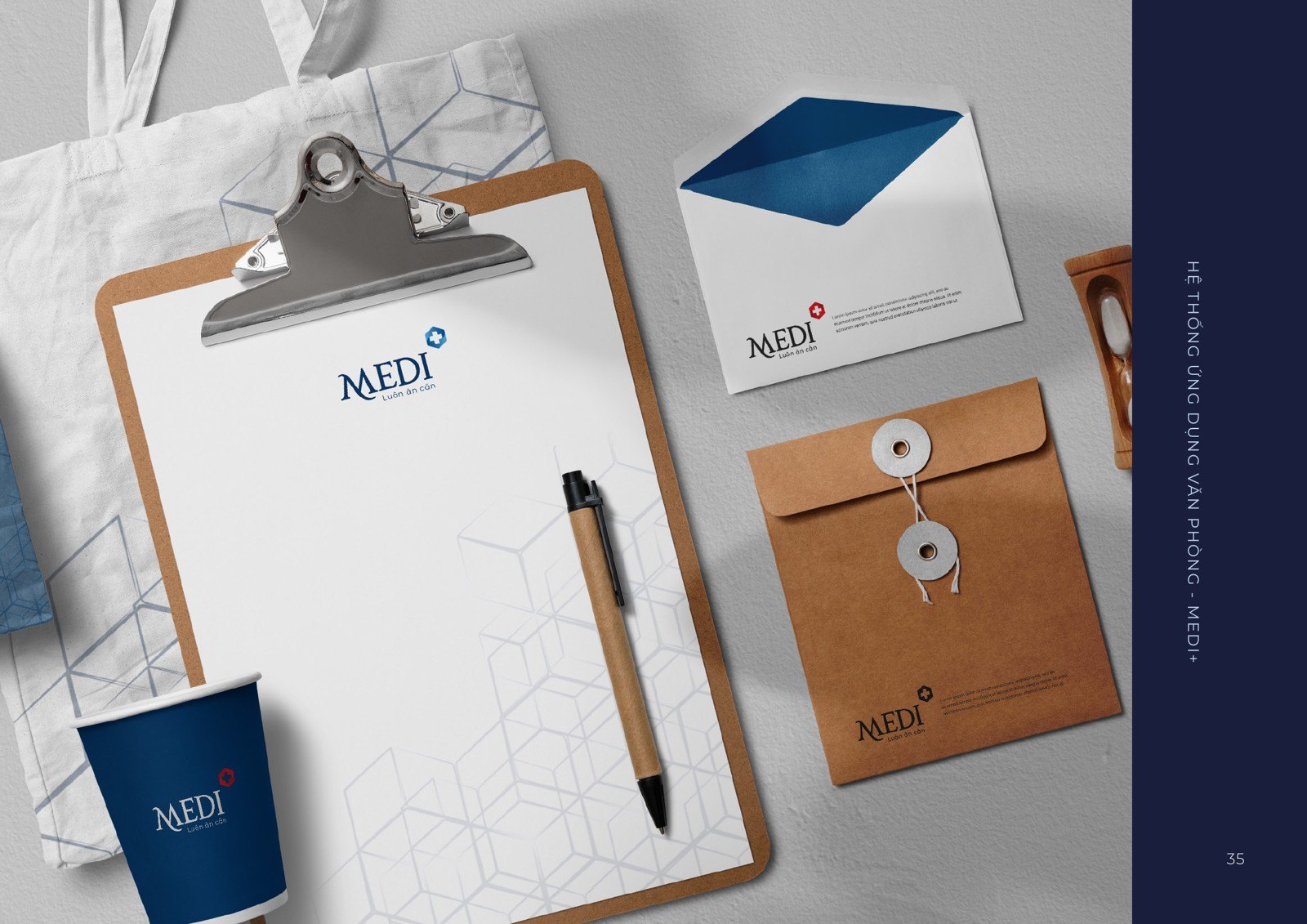
A sample print set for a wellness resort: program booklet, quiet-zone wayfinding sign, welcome card and in-room amenities
Quick answer01

What brand does a wellness resort need?

Three things: a clear position so guests know what the place is for, a measured voice that is honest about the program, and a space that breathes calm from the wayfinding signs to the amenities. For a place that sells calm, overstating is what loses guests' trust fastest.

  1. A clear position

    Rest, relaxation, recovery or slow living: choose what this place does well and say it.

  2. A measured voice

    Describe the program by what the place does and who does it, without promising anything beyond its reach.

  3. A space that breathes calm

    Wayfinding signs, color, type and amenities share one slow rhythm, so guests feel calm from the moment they walk in.

Business types02

Three kinds of wellness resort, three problems

All of them sell rest, but the length of stay, who comes along and what guests expect differ.

Wellness resort

Their customersGuests who want a purposeful break: gentle exercise, eating well, meditation, sleeping better.

Brand challengeShow guests clearly what program this place offers and who leads it, instead of a vague promise of quiet.

Resort spa

Their customersGuests coming for a weekend break, combining a stay with relaxation services.

Brand challengeNot be mistaken for a hotel with a spa room, and not for a stand-alone spa either.

Extended-stay retreat program

Their customersGuests staying many days on a program, often alone or as a couple.

Brand challengeMake the program document, each day and each step clear, so guests feel safe handing over many days of their lives.

Pain points03

Four pain points specific to wellness resorts

These are the places where resorts tend to lose guests even when the space is lovely and the service is good.

Customer journey04

At which stage do wellness resorts lose the most guests?

At the Book stage. Guests like the idea but hesitate because it isn't clear whether the program suits them and who will look after them.

Where customers are most often lostBook
Do this now
  1. Put a program summary at the top of the page: who it is for, what happens each day.
  2. Introduce the people who actually lead the program, with their real names and roles.
  3. Give guests a quick way to ask questions before booking, and say plainly what guests with an existing condition should discuss with their own doctor.
Touchpoints05

Five touchpoints to do first

Touchpoints are the places where guests see, touch or hear about the resort. You don't need to do everything at once. These five touchpoints decide most of the sense of reassurance.

  1. Website and program pages

    Where guests read most carefully before deciding to hand over many days of their lives.

  2. Program documents

    Guests read them to learn what they will do each day and whether it suits them.

  3. Wayfinding signs and arrival space

    Where guests feel calm or clutter within the first few minutes.

  4. Amenities and uniforms

    The towels, clothing and objects guests touch throughout the stay.

  5. Messages before and after the stay

    The preparation note beforehand and the check-in afterward are where guests feel cared for.

Roadmap06

Where Sinh Vũ suggests starting

Listed in the order to do them. A resort that hasn't opened stops at step three; a resort already running starts at step two.

  1. Brand strategy and positioning consulting

    Settle the position: what this place is for and what it does not promise.

  2. Building brand voice

    A measured voice and a way of describing the program through concrete things.

  3. Logo and Brand Identity Design

    Name, mark, color and type in one slow, calm rhythm.

  4. POSM and event booth design

    Wayfinding signs, amenities and objects across the grounds.

  5. Brand website design

    A clear website and program pages, with a place for guests to ask before booking.

Projects07

Projects closest to wellness resorts

Sinh Vũ has not published a wellness resort project. The two below are closest in caring for people and in hospitality.

Further reading08

More on wellness resorts

Free toolTouchpoint map for this business modelSee the five stages customers pass through, where they drop off most, then rate the five touchpoints to fix first.Open the tool Free toolCrop images for every placementFrom one image, get the right format for Facebook, Zalo, TikTok, Shopee and YouTube, with the important part kept in frame and light compression for fast loading.Open the tool
FAQ09

Frequently asked questions

A wellness resort is built around a purposeful program of rest, while a hotel with a spa treats the spa as an extra service. The brand needs to show guests the program, the people who lead it and the rhythm of a day.

Describe concrete things: what a session includes, how long it takes, who carries it out. Avoid promising outcomes. If you need to mention health, say plainly that guests should consult their own doctor.

Avoid them, since almost every place does. Sinh Vũ looks for a detail in the resort's own story, such as the land, the founder or the way this place lives slowly.

A program summary, a day-by-day schedule, what to prepare and a contact person. After reading, guests should know what they will do each day and whom to ask when they need to.

Show guests the whole stay, not just the treatments: rooms, food, space and the rhythm of the day, all in one visual taste.

Tell Sinh Vũ about your resort

A few lines about the resort, the program and what is holding you back is enough. Sinh Vũ will read it and reply within one business day.