Travel and accommodation

Identity design and naming for homestays and villa rentals

Guests pick a homestay for its character, and stay because the host is real.

When every homestay is wood and rustic, guests choose only by their order on a platform. Sinh Vũ gives homestays, villa rentals and short-stay apartments a name, a mark and a photo set that carry the host's character.

A sample print set for a homestay: gate name plate, welcome card, room guidebook and amenities with their own mark
Quick answer01

What does a homestay need to not look like every other homestay?

Three things: a name that sticks, a photo set true to reality, and one detail of the host's own repeated everywhere guests touch. A small homestay doesn't need much, but those three must be right and consistent.

  1. A memorable name

    Easy to read, easy to type into maps and platforms, and not shared by dozens of other places.

  2. A photo set true to reality

    Shot in the exact room guests will stay in, with the same light and viewpoint, so what they find matches the photos.

  3. One detail that is the host's own

    An object, a greeting or a small corner that only this place has, repeated from the name plate to the guidebook.

Business types02

Three kinds of small stay, three problems

All of them rent out a place to stay, but the guests and the way they book differ, so what you have to tell them differs too.

Homestay

Their customersYoung guests and small families, choosing by photos, location and reviews, who want to meet the host.

Brand challengeHave enough character to stand out in a list, and match the photos when guests arrive.

Villa rental

Their customersGroups of friends, large families, company outings; renting the whole house for a few nights.

Brand challengeShow guests reassurance up front: who meets them, who handles problems, which amenities are real.

Short-stay apartment

Their customersBusiness travelers and tourists staying a few nights, checking in on their own.

Brand challengeGive one apartment in a shared building its own mark, and make self check-in easy without meeting anyone.

Pain points03

Four pain points specific to homestays

These are the places where homestays tend to lose guests even when the host is attentive.

02

Photos differ from reality, reviews drop

Wide-angle, heavily edited photos; guests arrive, find it smaller and leave a low review.

Shoot the real room at its true size, add a few everyday shots, and say plainly what is not there.

Start from this problem
Customer journey04

At which stage do homestays lose the most guests?

At the Stay stage. Guests who arrive and find it different from the photos almost always leave a low review, however attentive the host is.

Where customers are most often lostStay
Do this now
  1. Photograph the exact unit guests will stay in, and state the size and what is not there.
  2. Send a short message before the trip: how to get there, how to check in, what to know.
  3. Leave a guidebook in the room in the host's own voice, including how to reach them when something comes up.
Touchpoints05

Five touchpoints to do first

Touchpoints are the places where guests see, touch or hear about the stay. You don't need to do everything at once. These five touchpoints decide most of the impression guests form.

  1. Photo set and lead photo on the platform

    The first photo decides whether guests click.

  2. Name and map listing

    Guests search the name and check the route on the map before they arrive.

  3. Name plate at the gate

    Guests arrive late and tired, and look at the sign to be sure they are in the right place.

  4. In-room guidebook and welcome card

    Where the host's greeting reaches guests even when the host isn't there.

  5. In-room amenities

    Towels, cups and hangers with your own mark are what guests photograph and remember.

Roadmap06

Where Sinh Vũ suggests starting

Listed in the order to do them. For one small unit, stopping at step two is enough to begin; owners with several units keep going.

  1. Logo and Brand Identity Design

    Name, mark, color and type, then the gate name plate and welcome card to match.

  2. Product and brand photography

    A photo set true to reality for platforms, maps and social media.

  3. Building brand voice

    One voice and one set of descriptive lines for the platform page, messages and guidebook.

  4. POSM and event booth design

    Name plates, welcome cards and in-room amenities carrying your own mark.

  5. Brand guidelines handbook

    When you open another unit: short guidelines so every unit shares one character.

Projects07

Projects closest to homestays

Sinh Vũ has not published a homestay project. The closest is a serviced apartment, where guests stay for long periods and need to trust the hospitality before they arrive.

LE Hospitality, a home that knows how to bow
Serviced apartment
2020

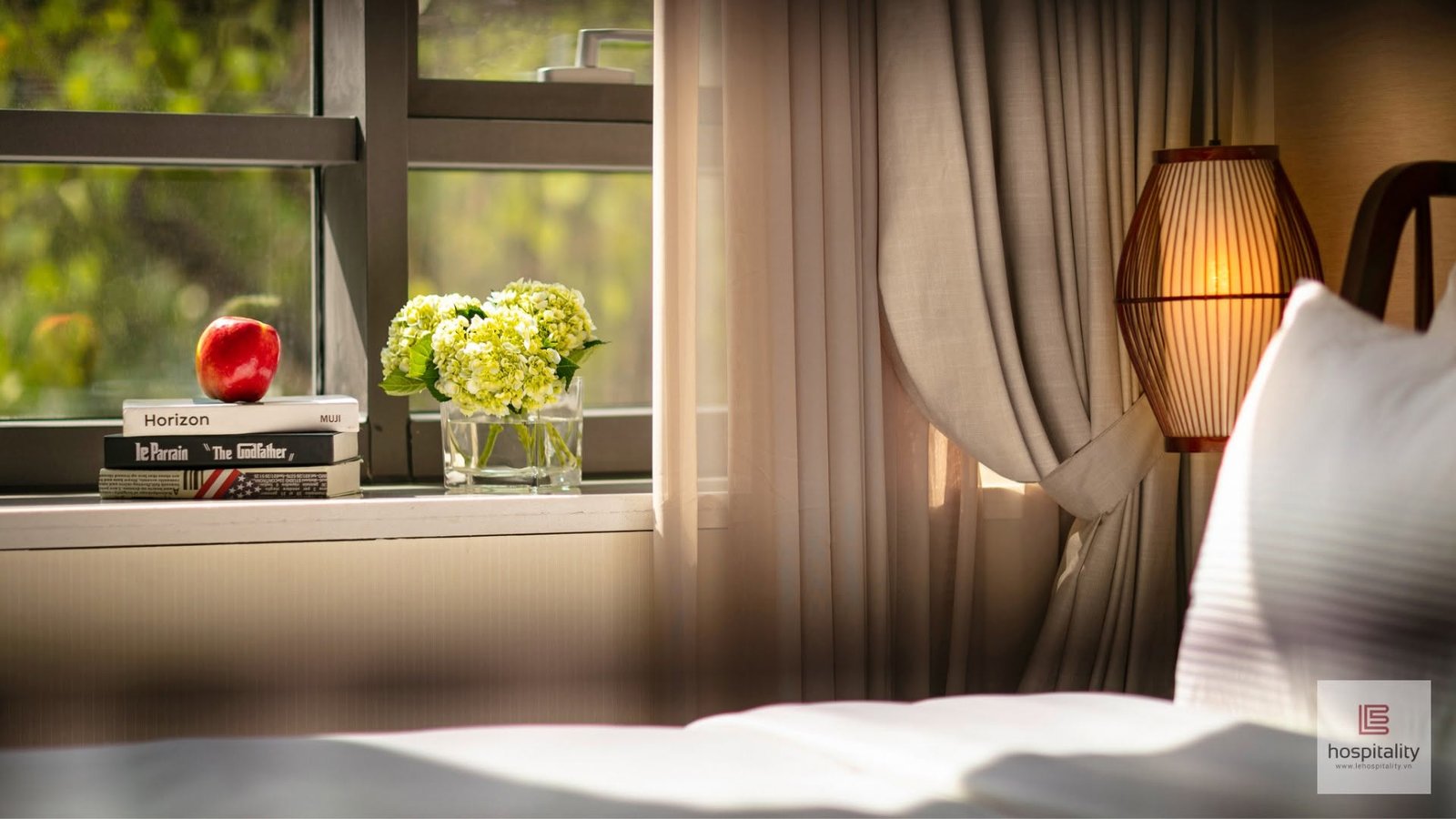
LE Hospitality, a home that knows how to bow

LE Hospitality is a serviced apartment for Japanese guests living in Hanoi, a place where hospitality is measured by the things a guest has not yet asked for. Sinh Vũ built the positioning…

View case

From a two-layer name, a mark and an earthy palette to the signature line at the end of an email: a small place to stay can still have its own face and be recognized from the sign on the street.

AION, one continuous flow
Cruise tourism

AION, one continuous flow

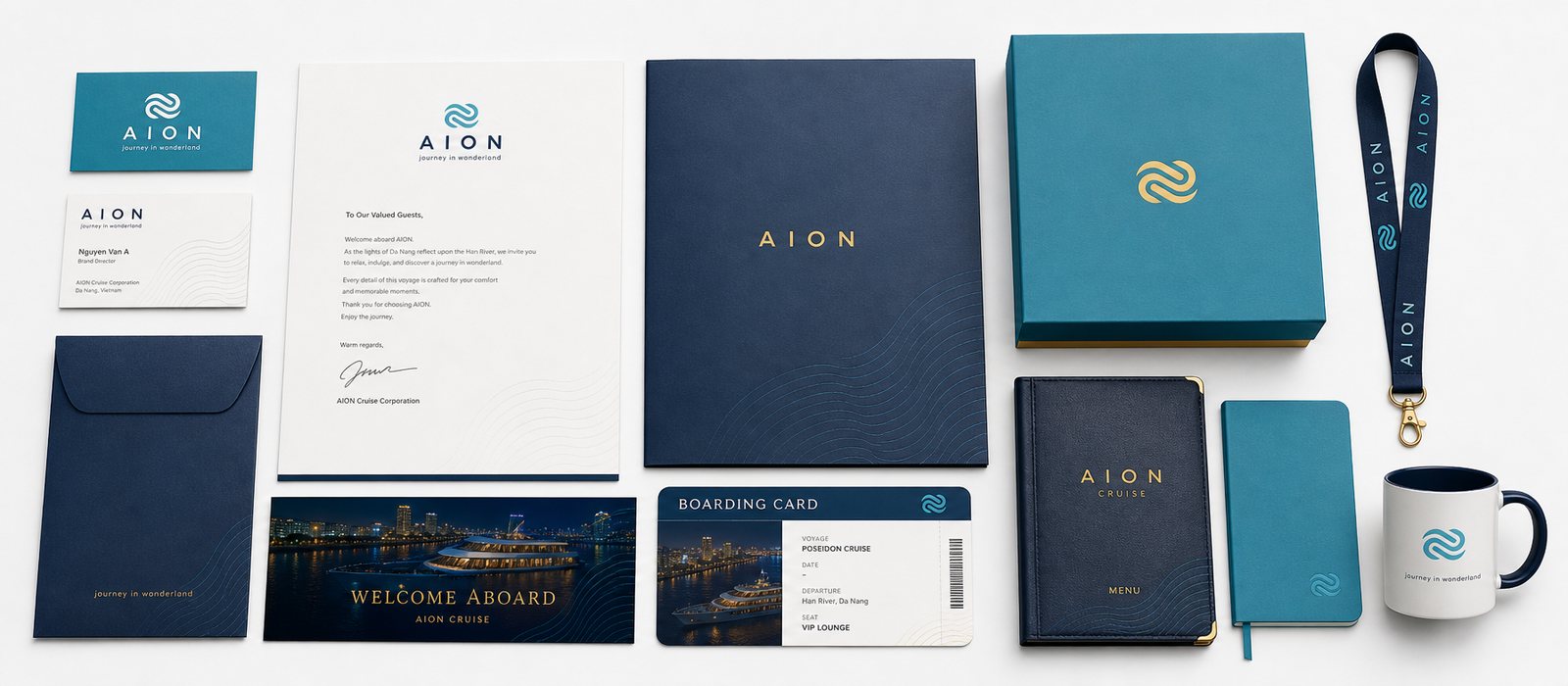
A refined identity system for the parent company of the Hàn River cruise fleet in Đà Nẵng, with Poseidon leading as the five-star flagship…

View case

Standards written down so two people working at different times still produce the same brand: a lesson for owners with several units.

Further reading08

More on homestays and rental homes

Free toolTouchpoint map for this business modelSee the five stages customers pass through, where they drop off most, then rate the five touchpoints to fix first.Open the tool Free toolCrop images for every placementFrom one image, get the right format for Facebook, Zalo, TikTok, Shopee and YouTube, with the important part kept in frame and light compression for fast loading.Open the tool
FAQ09

Frequently asked questions

Choose a short name that is easy to read and type, tied to the host's story or the land. Before locking it in, search the name on maps and booking platforms to make sure many places don't share it.

Not a full one. At minimum: a name, a logo, color, a name plate at the gate and a photo style. Do the rest when you add units.

Shoot the exact unit guests will stay in, in natural light, without extreme wide angles. Add everyday detail shots and state plainly what is not there.

Guests renting the whole house come in groups, so what they need to see first is reassurance: who meets them, who handles problems, which amenities are real. The brand needs to say those things clearly.

Make the mark in the parts you control: the name plate, welcome card, guidebook and in-unit amenities. Guests remember the experience inside more than the building's facade.

Think carefully. If you rename, keep what guests already recognize, tell past guests, and update the name on every platform at once so old reviews stay attached to this place.

Tell Sinh Vũ about your place

A few lines about the property, your regular guests and what is holding you back is enough. Sinh Vũ will read it and reply within one business day.