Retail and e-commerce

Brand design for online shops and D2C

Customers buy once because of an ad and buy twice because they remember the shop's name.

A direct-to-consumer (D2C) brand has no store for customers to walk into, so the storefront, the photos, the shipping box and the messages have to do all of that work. Sinh Vũ makes those touchpoints speak in one voice.

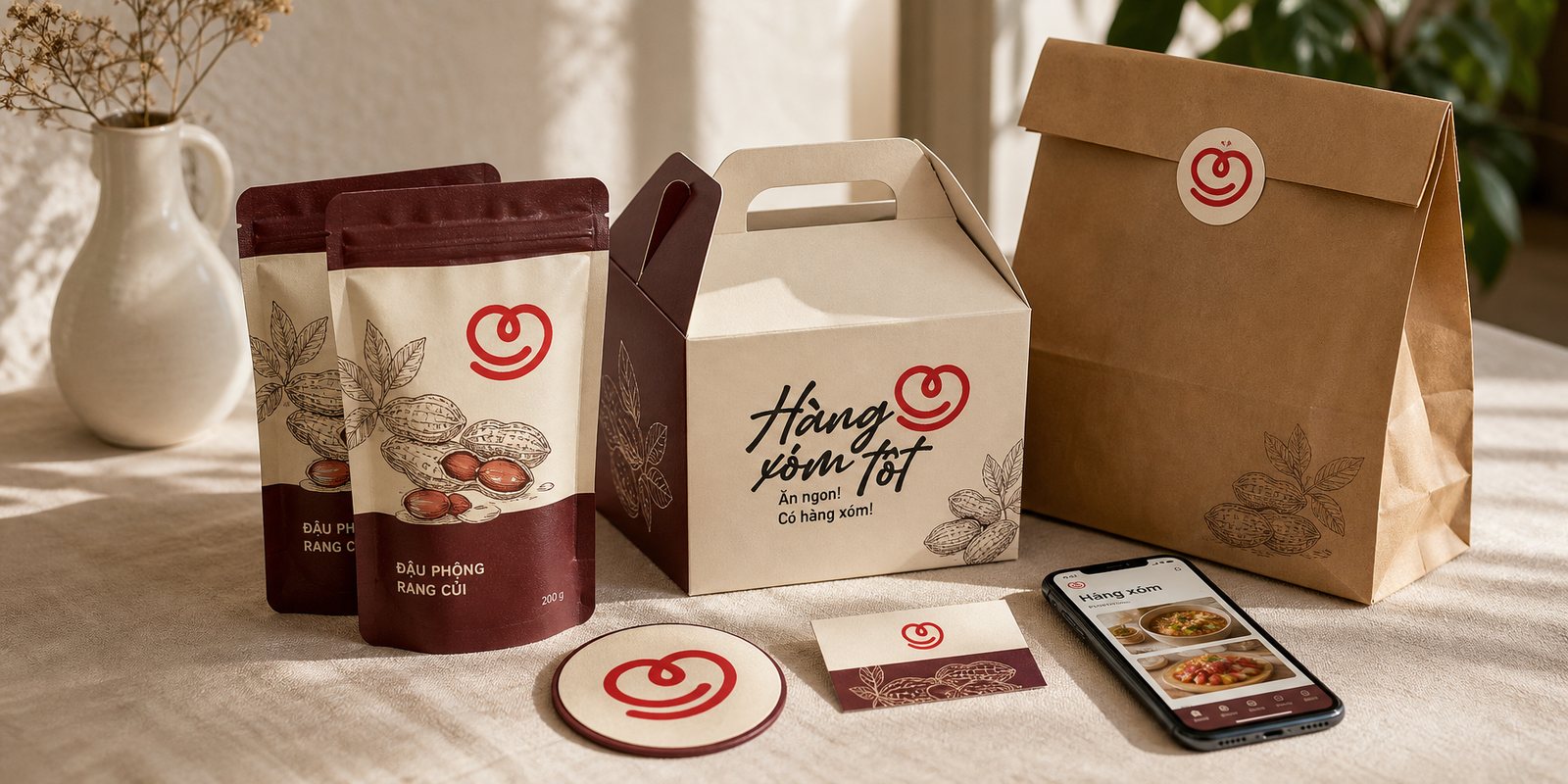
A sample print set for a brand that sells online: storefront cover image, shipping box, thank-you card and a product photo template
Quick answer01

What does an online shop need to become a brand?

Three things: one distinctive idea for customers to remember, a product photo template used on every channel, and a package worth opening. Together they give customers a reason to look for the shop again beyond a discount code.

  1. One distinctive idea

    A single line on how the shop differs, carried onto the storefront name, the cover image and the greeting.

  2. A product photo template

    The same background, lighting and angle on every channel, so even a small thumbnail on a marketplace is recognizable as the shop's.

  3. A package worth opening

    A box and thank-you card distinctive enough that customers want to photograph them or tell people they know.

Business types02

Three ways to sell online, three problems

All of it is selling online, but customers meet the shop in different places, so what comes first differs too.

Selling on e-commerce marketplaces

Their customersCustomers go to the marketplace for a specific item and compare many storefronts within seconds.

Brand challengeStand out among storefronts selling the same item with the cover image and the first photo, while still working inside the marketplace's frame.

Selling through social media

Their customersCustomers follow a page or a seller and buy after watching videos and reading comments.

Brand challengeKeep one face across videos, posts and messages, even when several people post every day.

Your own online store

Their customersCustomers come to the website on their own, usually already knowing the shop's name or referred by someone they know.

Brand challengeShow on the first screen that this is a brand worth trusting, with a reason to buy here.

Pain points03

Four pain points specific to online shops

These are the places where online shops lose customers even with good products.

03

Every person answers messages differently

Whoever closes the order is sometimes warm and sometimes curt, and customers can't tell who the shop really is.

A brand voice and a set of template replies for common situations, so whoever answers sounds the same.

Start from this problem
Customer journey04

At which stage do online shops lose the most customers?

At the Compare stage. Customers open several storefronts selling the same item and decide within seconds, so a storefront that looks like every other one is left competing on price alone.

Where customers are most often lostCompare
Do this now
  1. Make the cover image and the first photo say right away what the shop sells and to whom.
  2. Shoot every product to the same template so the whole storefront reads as one brand.
  3. Answer reviews and questions in the shop's voice, because customers read the replies too.
Touchpoints05

Five touchpoints to do first

Touchpoints are the places where customers see, touch or hear about the shop. These five decide whether customers remember the shop.

  1. Storefront cover image and profile image

    The first thing customers see, at a very small size.

  2. Product photos

    What customers study most closely before clicking buy.

  3. Shipping box and wrapping

    The only time customers hold the shop in their hands.

  4. Thank-you card in the box

    Gives customers a name to remember and search for.

  5. Messages and replies to reviews

    Where customers hear the shop speak, so the voice has to stay consistent.

Roadmap06

Where Sinh Vũ suggests you start

Listed in the order to do them. A new shop can stop at step three or four; build your own website when the need comes.

  1. Brand strategy and positioning consulting

    Settle the shop's distinctive idea and the customers it aims at before drawing anything.

  2. Logo and Brand Identity Design

    Name, logo, color and type that read at profile image size.

  3. Product and brand photography

    A product photo template and a photo set for every channel.

  4. Product packaging design

    Shipping box, tape and thank-you card.

  5. Brand website design

    When the shop needs its own online store alongside the marketplaces.

Projects07

Projects closest to online shops

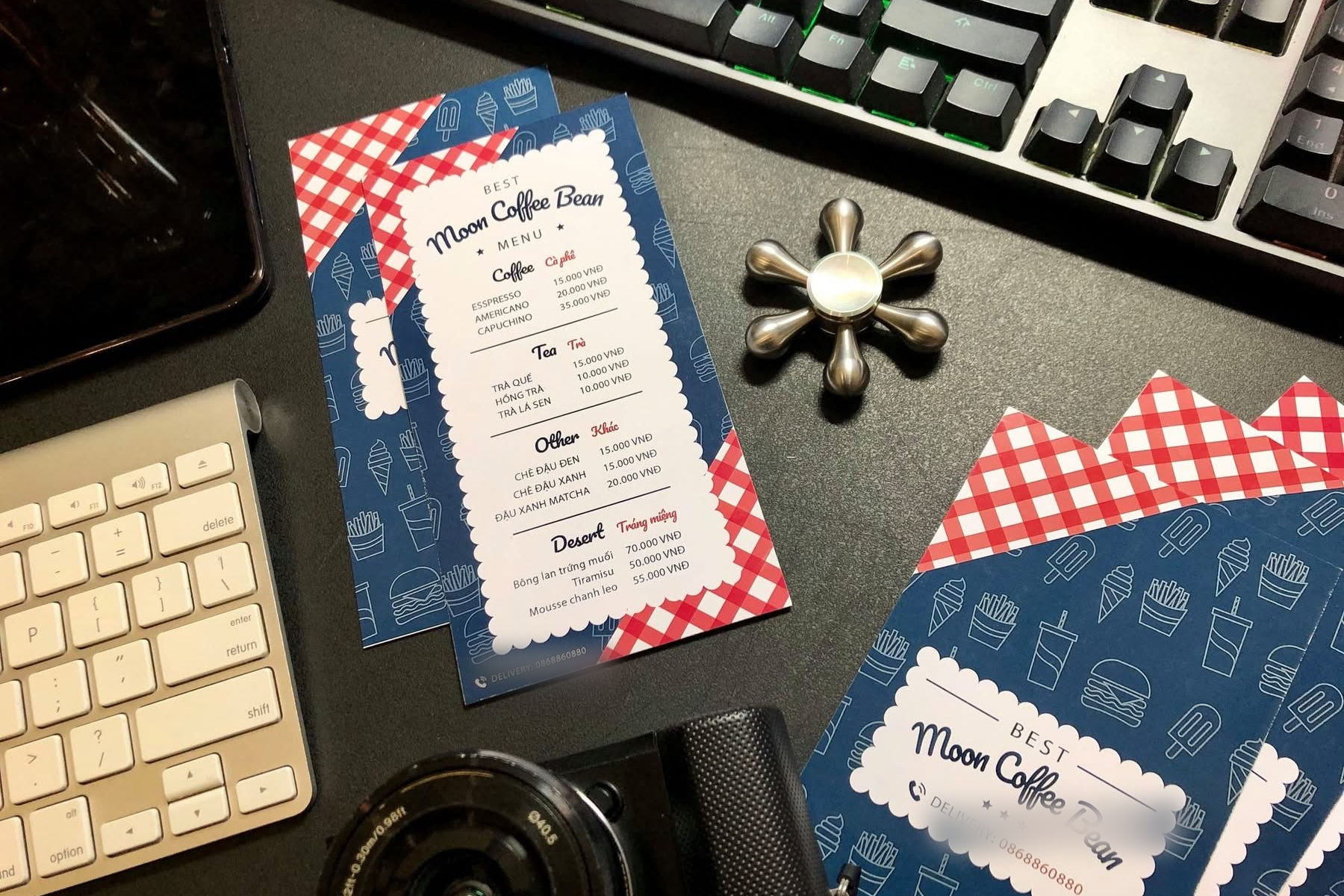
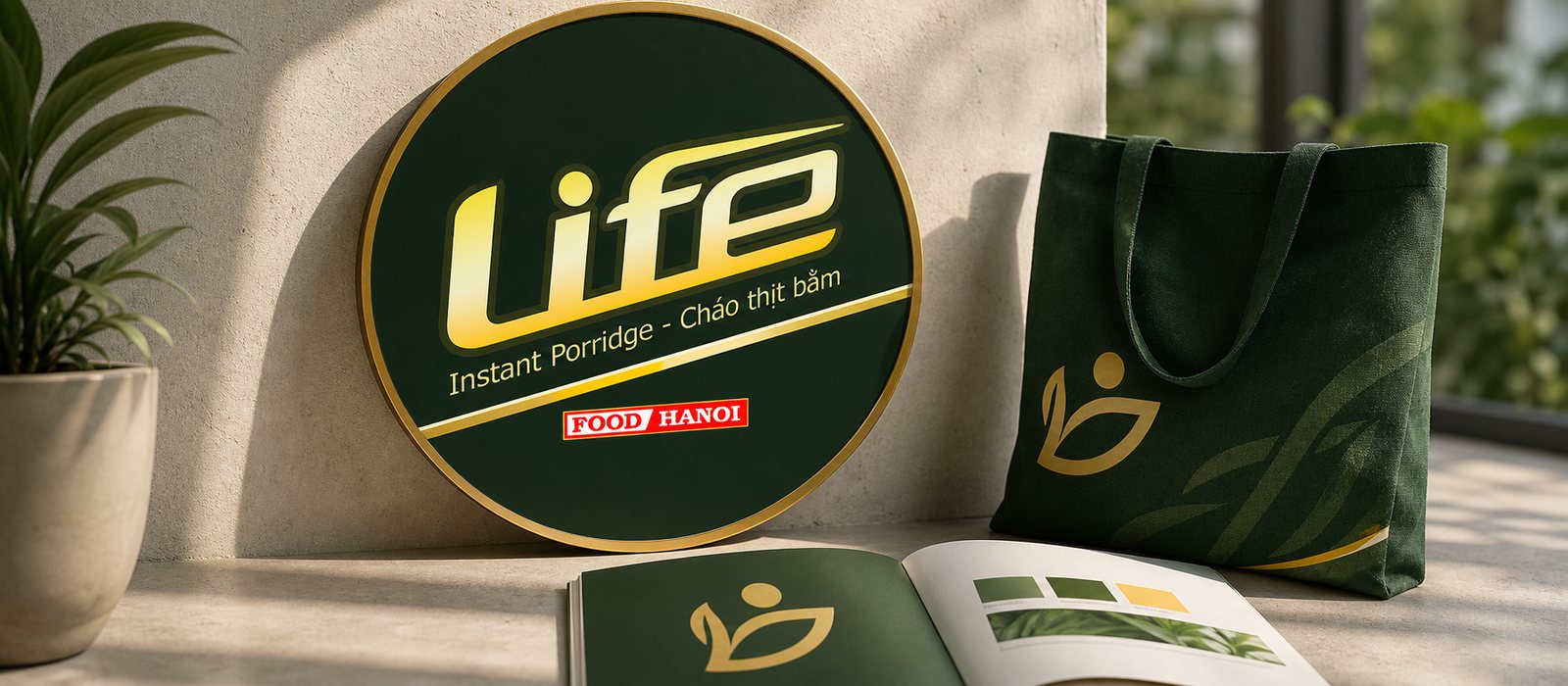
Sinh Vũ has not published a marketplace storefront project. The three below are the closest because all of them sell without a store for customers to walk into.

Further reading08

More on direct-to-consumer online brands

Free toolTouchpoint map for this business modelSee the five stages customers pass through, where they drop off most, then rate the five touchpoints to fix first.Open the tool Free toolTest designs at real sizePackaging in a marketplace grid and on a shelf two meters away; a logo at avatar size and as a browser tab icon.Open the tool
FAQ09

Frequently asked questions

The logo has to read at the very small profile image size on marketplaces and social media. Sinh Vũ tests the logo at that size before settling it, then builds the full version.

Yes, because customers see hundreds of storefronts selling the same item, and the one that looks like it has an owner is remembered. A cover image, a photo template and a package that all remind customers of one name help them find the shop again.

Not necessarily right away. Before a custom box, a thank-you card and tape with the shop's name already give customers something to remember, and you can step up as orders grow.

D2C (direct-to-consumer) means the shop makes or selects its own products and speaks to customers directly. So the brand has to carry the work a store would otherwise do.

When customers already know the shop's name and some of them want to buy directly. Until then, a well-run marketplace storefront and social presence are enough.

Tell Sinh Vũ about your shop

A few lines about the products, the channels you sell on and what is holding you back is enough. Sinh Vũ reads and replies within one working day.