
Retail and e-commerce

Brand standards design for beverage and store franchises

A franchise brand is tested by its fifth location, not its first.

Franchisees buy a ready-made system that works, so what they need is standards clear enough to follow on their own. Sinh Vũ writes the brand down as a standards set, a model storefront and ready-made print templates.

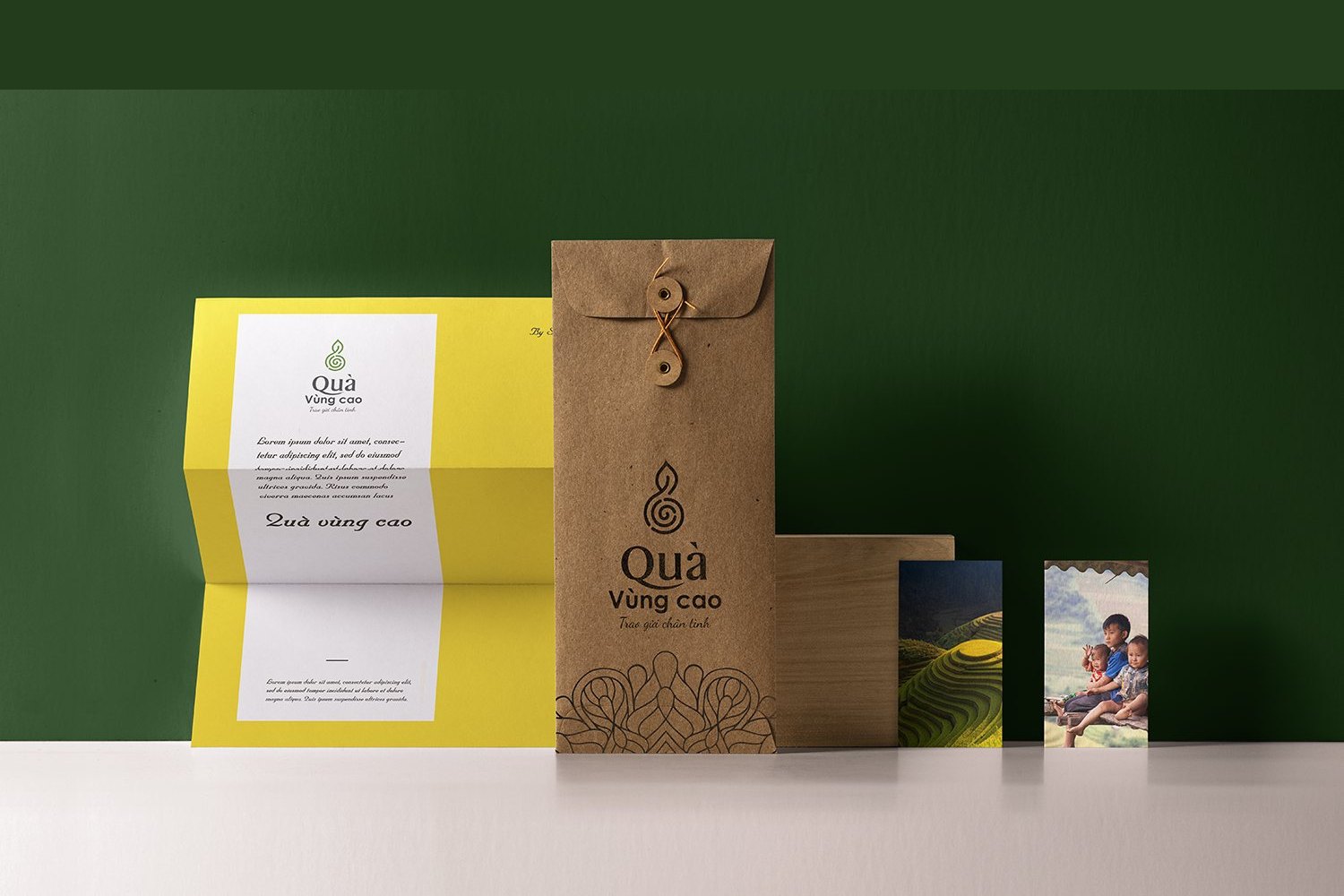
A sample set of standards for a franchise brand: handbook, model storefront, introduction profile and ready-made print templates
Quick answer01

What does a franchise brand need to keep every new location consistent?

Three things: standards that say plainly what is mandatory and what is optional, a model storefront with specifications, and a ready-made print set where franchisees only change the text. With all three in place, the fifth location looks like the first.

  1. Standards in three layers

    A mandatory part, a part chosen from a list and a free part, so franchisees know at once what they may change.

  2. A model storefront with specifications

    Dimensions, materials, color codes and sign positions, enough for a contractor in another province to get it right.

  3. Ready-made print materials

    Menus, standees, flyers and posts built in advance, so franchisees only change the location's details.

Business types02

Three kinds of franchise, three problems

All of them are franchises, but what has to stay consistent differs from one kind to the next.

Beverage franchises

Their customersCustomers stop by quickly and buy out of habit, and often meet the brand only through a photo on a food delivery app.

Brand challengeThe cup, the logo and the presentation look the same at every location, even when the customer sees only a small photo on an app.

Restaurant franchises

Their customersCustomers sit down to eat, usually in a group or with family, and remember a restaurant by its dishes and atmosphere.

Brand challengeKeep the atmosphere, menu and service consistent across locations, even though every owner manages in their own way.

Retail store franchises

Their customersCustomers come in for essentials or specialist goods and trust the familiarity of the brand.

Brand challengeLay out goods, price signs and the counter to one standard, so customers at any location find an item as they would at the one they know.

Pain points03

Four pain points specific to franchising

These are the places where a franchise system thins out even when the business model is good.

01

Standards that only forbid and never point the way

A franchisee asks whether the menu or the decor can be changed and gets a different answer every time.

Split the standards into mandatory, chosen from a list and free, with examples for each.

Start from this problem
03

A beautiful model storefront that every contractor reads differently

Signs of different sizes, shades of color that drift, substituted materials, because the drawings had only a rendering.

A model storefront with a specification table for dimensions, materials and color codes, tried at one real location before being multiplied.

Start from this problem
Customer journey04

At which stage does a franchise system lose the most customers?

At the Return stage. When a regular from the first location visits another and finds it different, trust in the whole brand drops.

Where customers are most often lostReturn
Do this now
  1. Choose the three things regulars notice first, such as the sign color, the taste of the drink or the greeting, and lock them into the standards.
  2. Visit a new location as an ordinary customer, photograph it and compare it with the first.
  3. Give franchisees ready-made templates instead of just a logo file.
Touchpoints05

Five touchpoints to do first

Touchpoints are the places where customers and franchisees see, touch or read about the brand. These five decide whether the system is consistent.

  1. Brand standards

    The document franchisees open whenever they need to do something.

  2. Franchise profile

    What people considering a franchise read before they meet.

  3. Model storefront

    The image customers see at every location, so it needs clear specifications.

  4. Ready-made print materials

    Every location uses the same template and doesn't remake it.

  5. Uniforms and takeaway packaging

    They follow customers out of the store and appear in the photos customers post.

Roadmap06

Where Sinh Vũ suggests you start

Listed in the order to do them. A brand that already has a solid identity skips step one and starts at step two.

  1. Logo and Brand Identity Design

    Only when the brand lacks a solid identity: standards can't be written on a loose base.

  2. Brand guidelines handbook

    Standards in three layers: mandatory, chosen, free.

  3. POSM and event booth design

    A model storefront and point-of-sale items, with a specification table.

  4. Corporate capability profile design

    A franchise profile that presents the system.

  5. Brand operating system for corporations

    A library of print templates and how new locations draw on it.

Projects07

Projects closest to franchising

Sinh Vũ has not published a franchise project. The two below are the closest because both build a shared template that many people can work from without drifting.

Further reading08

More on retail and beverage franchises

Free toolTouchpoint map for this business modelSee the five stages customers pass through, where they drop off most, then rate the five touchpoints to fix first.Open the tool Free toolBranded QR codeBuild a QR code in your brand colors and logo; it is scanned back to make sure phones can read it, then download PNG or SVG for print.Open the tool
FAQ09

Frequently asked questions

Standards for logo, color and type; standards for the storefront, signs, shelves and uniforms; and ready-made print templates. Divide them into a mandatory part, a chosen part and a free part.

That is for the franchisor to decide according to its own business model. Sinh Vũ helps write that decision into standards that are easy to understand, so franchisees know at once which parts they may change.

It should show a system that works: standards, the model storefront, the print set. People considering a franchise trust what they can see more than a promise.

You need a lean version. Written early, the fourth and fifth locations follow the template; written late, you have to fix the locations that opened with drift.

Give franchisees ready-made templates instead of a logo file, and assign one person to keep that library. Standards only work when someone keeps them up to date.

Tell Sinh Vũ about your system

A few lines about how many locations you have, what kind of franchise it is and what is holding you back is enough. Sinh Vũ reads and replies within one working day.