Media and creativity

Album cover and identity design for artists

Music is heard and art is seen; the brand is the part people take home.

Fans want something to hold, to hang, to keep. Sinh Vũ gives artists, record labels and galleries one consistent look, from the album cover to the concert ticket.

A sample set of materials for an artist: an album cover, a concert poster, fan merchandise and an artist page
Quick answer01

What does an artist need to have a brand of their own?

Three things come first: a visual motif tied to the work, a set of materials for every release, and merchandise for fans to take home. Those three help listeners and viewers remember the artist across many projects, not just one song.

  1. Motif and palette

    One image and a few colors distinctive enough to be recognized across many works.

  2. A set of materials for every release

    The album or record cover, the poster and the ticket share one spirit, while each project keeps its own character.

  3. Fan merchandise

    Lyric books, shirts, tote bags and small printed pieces for listeners to keep after the concert.

Business types02

Three kinds of arts organization, three problems

They all make art, but their audiences and the way those audiences attach to them differ, so the look needs to differ too.

Artists and bands

Their customersListeners follow an artist's personality and each project.

Brand challengeKeep one consistent taste across many albums, while each album still has its own character.

Record labels

Their customersArtists who want to sign, and listeners who trust the label's selective taste.

Brand challengeA label brand clear enough that new artists see themselves in it, without overshadowing any one artist.

Galleries and art spaces

Their customersArt lovers, collectors and artists who want to exhibit.

Brand challengeA look quiet enough to let the works speak, yet still recognizable as this space's.

Pain points03

Four pain points specific to artists and arts organizations

These are the places where artists lose listeners, and where talent alone can't save them.

03

A concert poster that can't be read from a distance

The poster looks great up close, but out on the street nobody has time to read the date, the time and the venue.

Make two versions: the street version keeps only the date, time, venue and artist name, and the indoor version keeps the artwork.

Start from this problem
Customer journey04

At which stage do artists lose the most fans?

At the See stage. Listeners meet a work for the first time through a small cover image in a music app. If the cover can't convey personality, they listen to one song and forget it.

Where customers are most often lostSee
Do this now
  1. Test the cover at its smallest size in a music app before settling it.
  2. Use one motif across the cover, the profile picture and the poster for the release.
  3. Set the artist's name in the same typeface everywhere.
Touchpoints05

Five touchpoints to do first

Touchpoints are the places where listeners and viewers see the artist. You don't need to do everything at once. These five decide most of whether an artist is remembered across many projects.

  1. Album or record cover

    It is the face of the whole project, on every platform and on the shelf.

  2. Concert poster and ticket

    It is what the audience sees before the concert and keeps afterward.

  3. Lyric book and accompanying prints

    It gives attentive listeners something to hold while they listen.

  4. Fan merchandise

    It turns listeners into people who carry the artist's brand further.

  5. Artist page and partner profile

    Organizers, labels and brands look at this page before inviting a collaboration.

Roadmap06

Where Sinh Vũ suggests you start

Listed in the order to do them. A new artist can stop at step two; labels and galleries go all the way.

  1. Logo and Brand Identity Design

    Name, motif, palette and type: the base for every later work.

  2. Advertising campaign image design

    Album cover, poster, ticket: the set of visuals for each release.

  3. POSM and event booth design

    Lyric book, fan merchandise, signage and items at the concert.

  4. Brand website design

    An artist page or label page that gathers the works and the tour dates.

  5. Brand guidelines handbook

    For labels and galleries: guidelines so many artists and many exhibitions share one look.

Projects07

The projects closest to artists and arts organizations

Sinh Vũ has published one project in this segment: the album and concert of Lê Minh Sơn and Phong Huyền. The second closest is a digital music service.

Lê Minh Sơn and Phong Huyền
Music and performing arts

Lê Minh Sơn and Phong Huyền

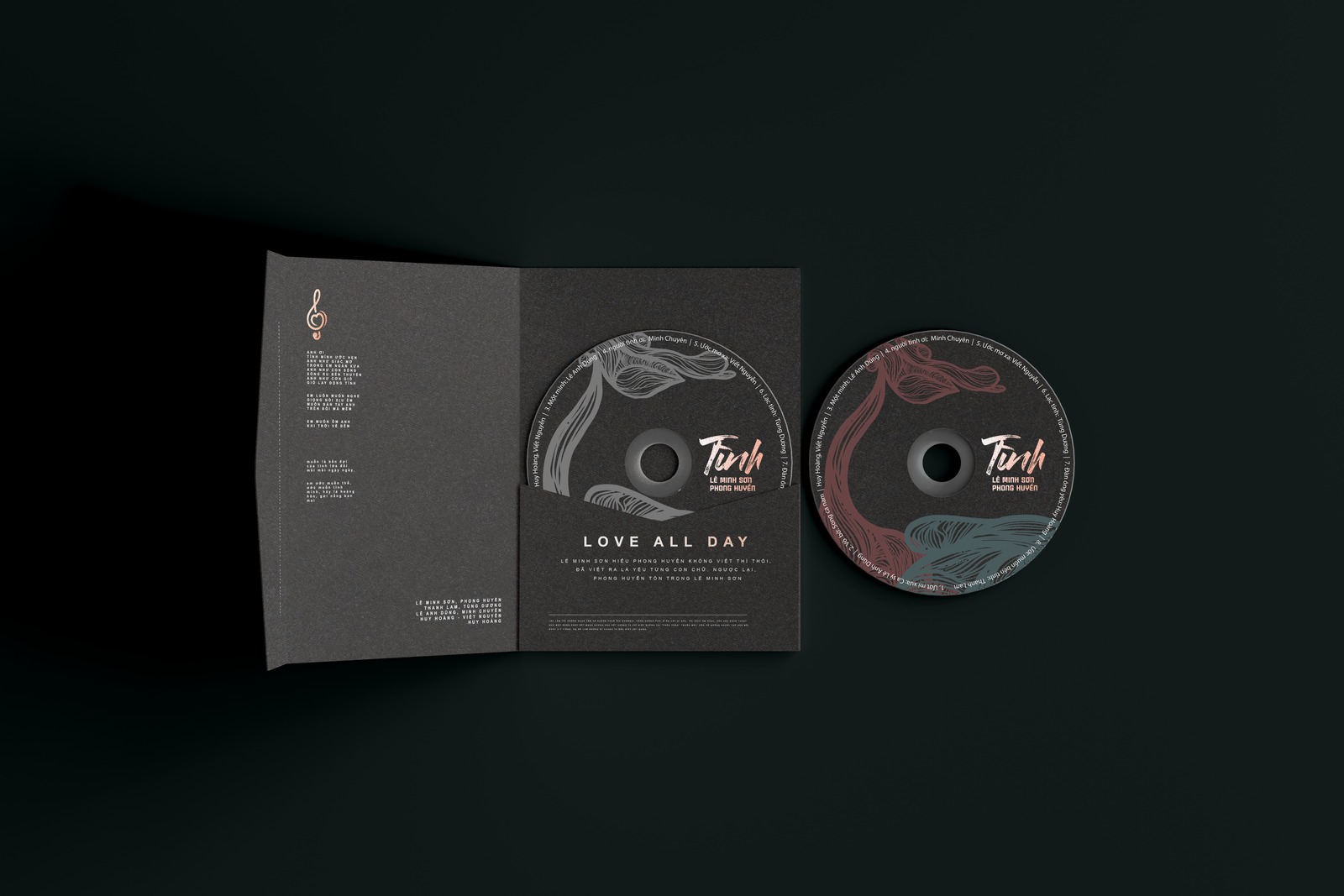
Composer Lê Minh Sơn had never set a poem to music. Poet Phong Huyền had never written poetry before this. It took them more than two years to bring the eight songs of Tình into being…

View case

In 2022 people listened to music on their phones, so a physical disc was something to give and to keep. The project runs from a motif of two intertwined ribbons to a disc sleeve folded like a book, a lyric book, a ticket with a stub and a take-home gift set.

Keeng, a name that rings
Digital music service

Keeng, a name that rings

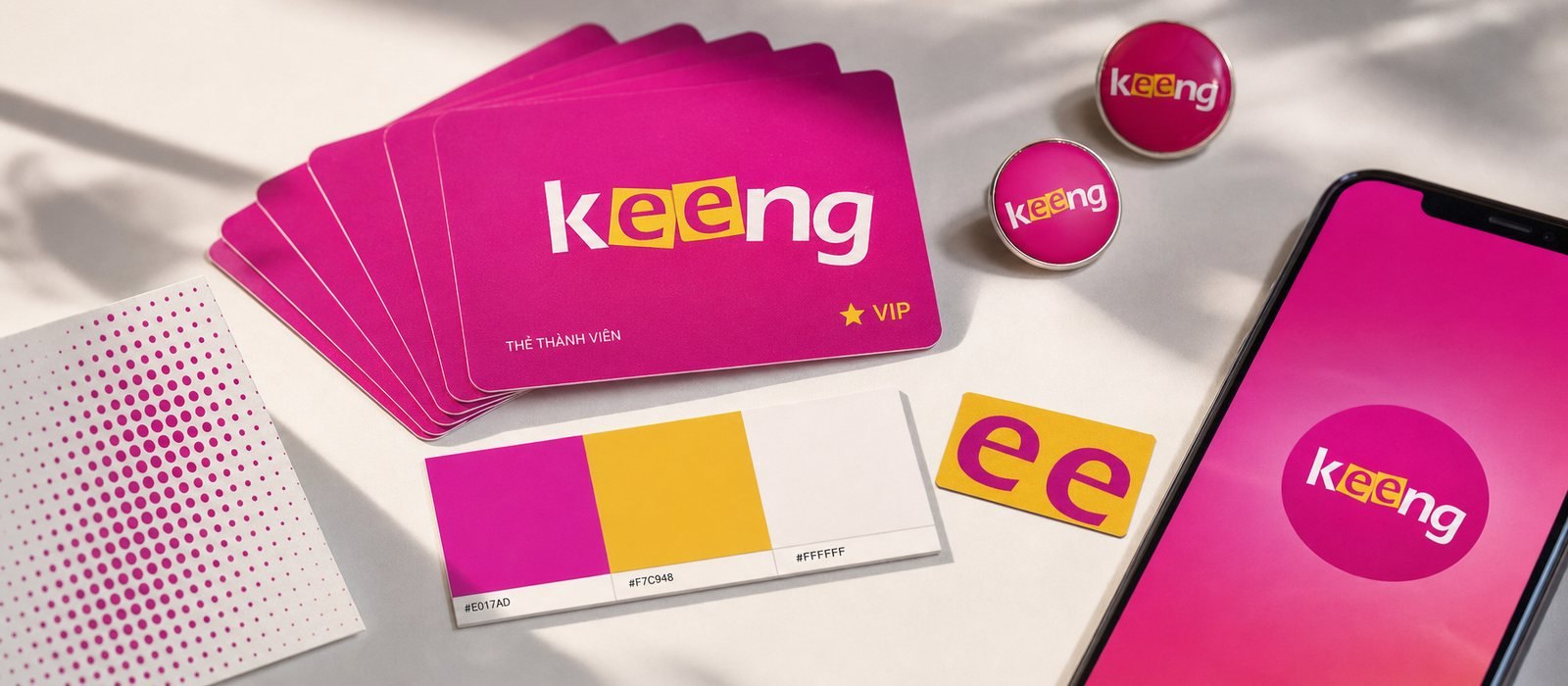
Keeng is Viettel's music service for young Vietnamese, stepping into a crowded market. Sinh Vũ shaped the name, the interface and the promotional system so Keeng could ring out clearly…

View case

A name that is itself a sound needs a mark that lets the name ring out. Keeng set two e's off the line inside a yellow block, then grew a whole system that is recognized wherever it appears.

Further reading08

More on music and the arts

Free toolTouchpoint map for this business modelSee the five stages customers pass through, where they drop off most, then rate the five touchpoints to fix first.Open the tool Free toolCrop images for every placementFrom one image, get the right format for Facebook, Zalo, TikTok, Shopee and YouTube, with the important part kept in frame and light compression for fast loading.Open the tool
FAQ09

Frequently asked questions

You need to know what story the album tells, the setting in which it is heard and who the listeners are. From there you choose one image, one palette and one way of setting titles, then test it at the small image size of a music app.

A readable wordmark is enough to start. The band uses it on posters, profile pictures and merchandise. Choose a typeface that is easy to redraw and easy to print small.

A label should have a clear taste in how it chooses artists and presents their work. The label brand should stay in the background, small on each product, so each artist remains the one who is remembered.

A simple one, with few colors and few patterns, so the works can speak. Keep the mark and type fixed for invitations, signs and exhibition catalogs. What changes with each exhibition is the image and the title.

Choose a few items worth keeping, such as a lyric book, a poster or a tote bag, and build them from the same motif as the album. Asking fans in advance what they would want to keep beats guessing.

Tell Sinh Vũ about your work

A few lines about your organization, your audience and what is holding you back is enough. Sinh Vũ reads and replies within one working day.