Technology and software

Brand design for enterprise software (B2B SaaS)

The person who tries it is one; the people who sign the contract are a whole group.

Enterprise software is weighed by many people, each asking something different. Sinh Vũ helps your product answer that whole group, starting from the product page and the sales materials.

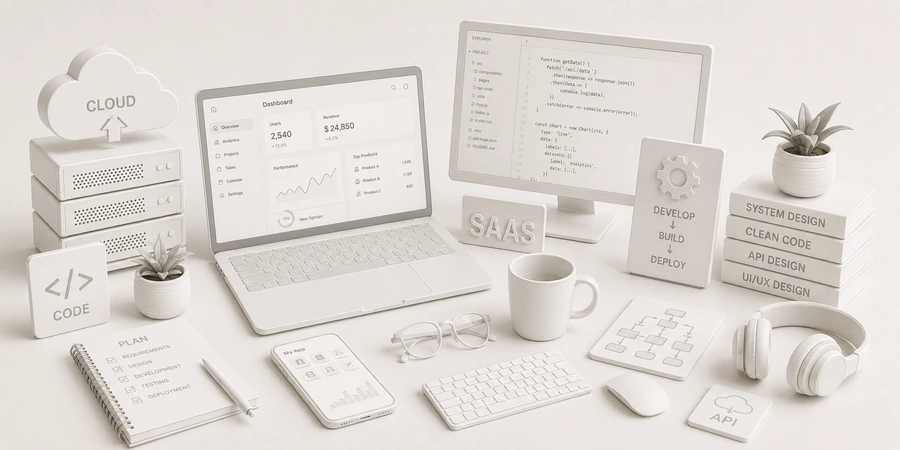
A set of sample materials for enterprise software: a product page, an admin screen, sales documents and an onboarding email
Quick answer01

What does the brand of enterprise software need?

Three things: one sentence that says what problem the product solves and for whom, a product page organized by reader, and a set of materials so the whole sales team says the same thing. These three give the person doing the evaluating enough to persuade everyone else in the company.

  1. One sentence that states the problem

    Lead with the customer's problem, then the features; put it at the top of the landing page and every document.

  2. A product page by reader role

    End users, department heads, executives and the person in charge of systems each find the part meant for them.

  3. A shared sales toolkit

    An intro deck, case studies and a proposal template, so the champion has something to carry into the room.

Business types02

Three kinds of software, three problems

All of them are software for businesses, but the people evaluating differ, so what the brand needs to say differs too.

HR software

Their customersHeads of HR and executives, concerned with payroll, timekeeping and employee records.

Brand challengeShow that employee data is kept safe and that changing how people work won't disrupt the whole company.

Customer relationship management

Their customersSales directors and sales teams, who need to track customers and opportunities in one place.

Brand challengeShow the sales team the software helps them sell more, rather than adding one more data-entry chore.

Marketing automation

Their customersMarketing heads and e-commerce business owners who want repetitive work done by machine.

Brand challengeTurn something you can't hold in your hand into an image, so buyers understand and remember it before the trial.

Pain points03

Four pain points specific to enterprise software

These are the places where enterprise software tends to stall mid-sale, even when the product is good.

01

Every person on the buying team asks something different

Users ask whether it is easy to use, executives ask whether it is worth the investment, the systems owner asks whether it is secure; the website answers only one of them.

Split the product page and documents by reader role, each with one short answer and one piece of proof.

Start from this problem
Customer journey04

At which stage does enterprise software lose the most customers?

At the Decide stage. The champion is sold, but has to persuade a few more people who weren't in the demo. They can only see the documents the champion brings back.

Where customers are most often lostDecide
Do this now
  1. Prepare a one-page summary the champion can carry upward, covering the problem, the method and what changes.
  2. Have answers ready for the three questions reviewers ask most often: data security, rollout time, who provides support.
  3. Use one shared set of materials for the whole sales team, so figures and promises don't drift between meetings.
Touchpoints05

Five touchpoints to do first

Touchpoints are the places where customers look at, read or use the product. You don't need to do everything at once. These five decide most of the impression on the people evaluating.

  1. Website and product page

    Customers read closely before they pick up the phone, and send the link to colleagues to look at together.

  2. Product interface

    Users meet the brand here every day, so buttons, color and type have to be consistent across features.

  3. Sales toolkit

    Helps the whole sales team tell one story and gives the champion something to take into the room.

  4. Onboarding emails

    The first conversation after a customer signs up, deciding whether they stay or leave.

  5. Live demo

    The slides and demo screens are the first time the whole buying group sees the product together.

Roadmap06

Where Sinh Vũ suggests starting

Listed in the order to do them. Software that already sells stops at step two or three; software with its own product team goes all the way.

  1. Brand strategy and positioning consulting

    Settle who the product solves a problem for, and what sets it apart from familiar software.

  2. Building brand voice

    A sentence that says what the product does, and one shared voice for the website, emails and documents.

  3. Brand website design

    A landing page and product pages organized by reader role.

  4. Sales and marketing collateral design

    An intro deck, case studies and a proposal template for the sales team.

  5. Designing a digital design system

    When the product team grows: a digital design system so every new feature follows one look.

Projects07

Projects closest to enterprise software

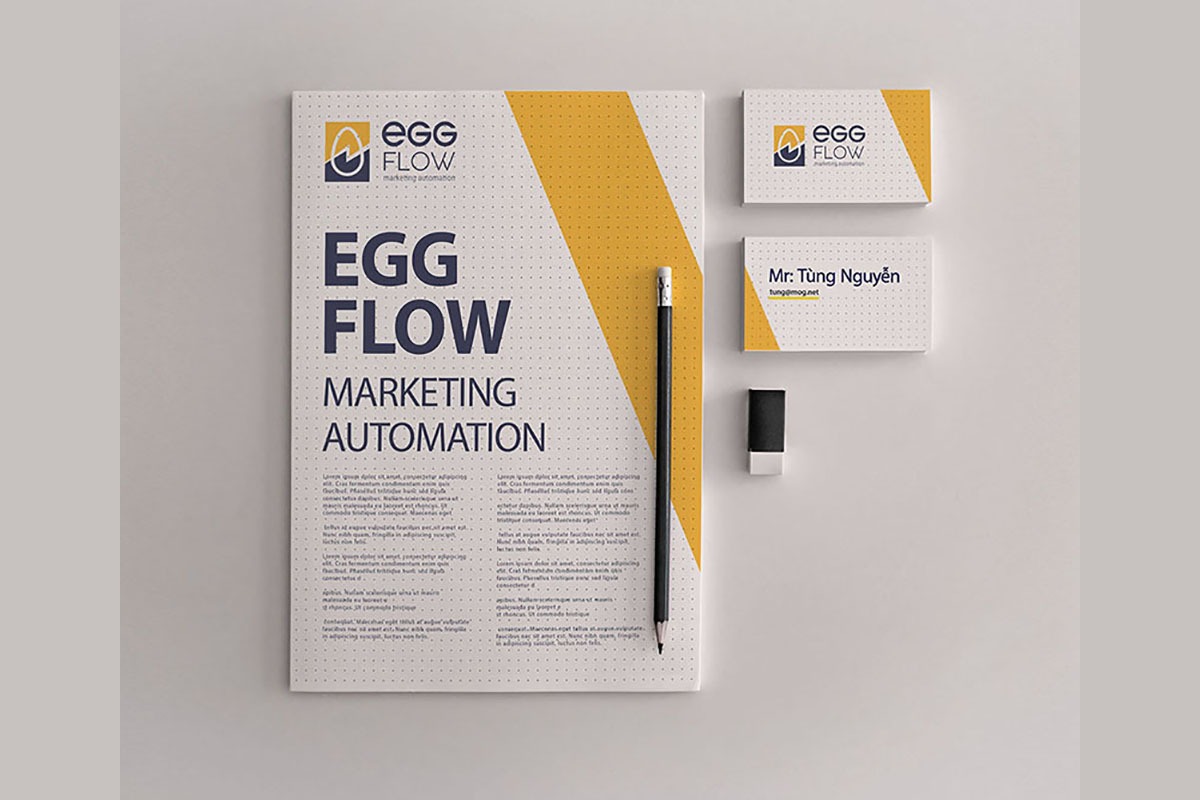
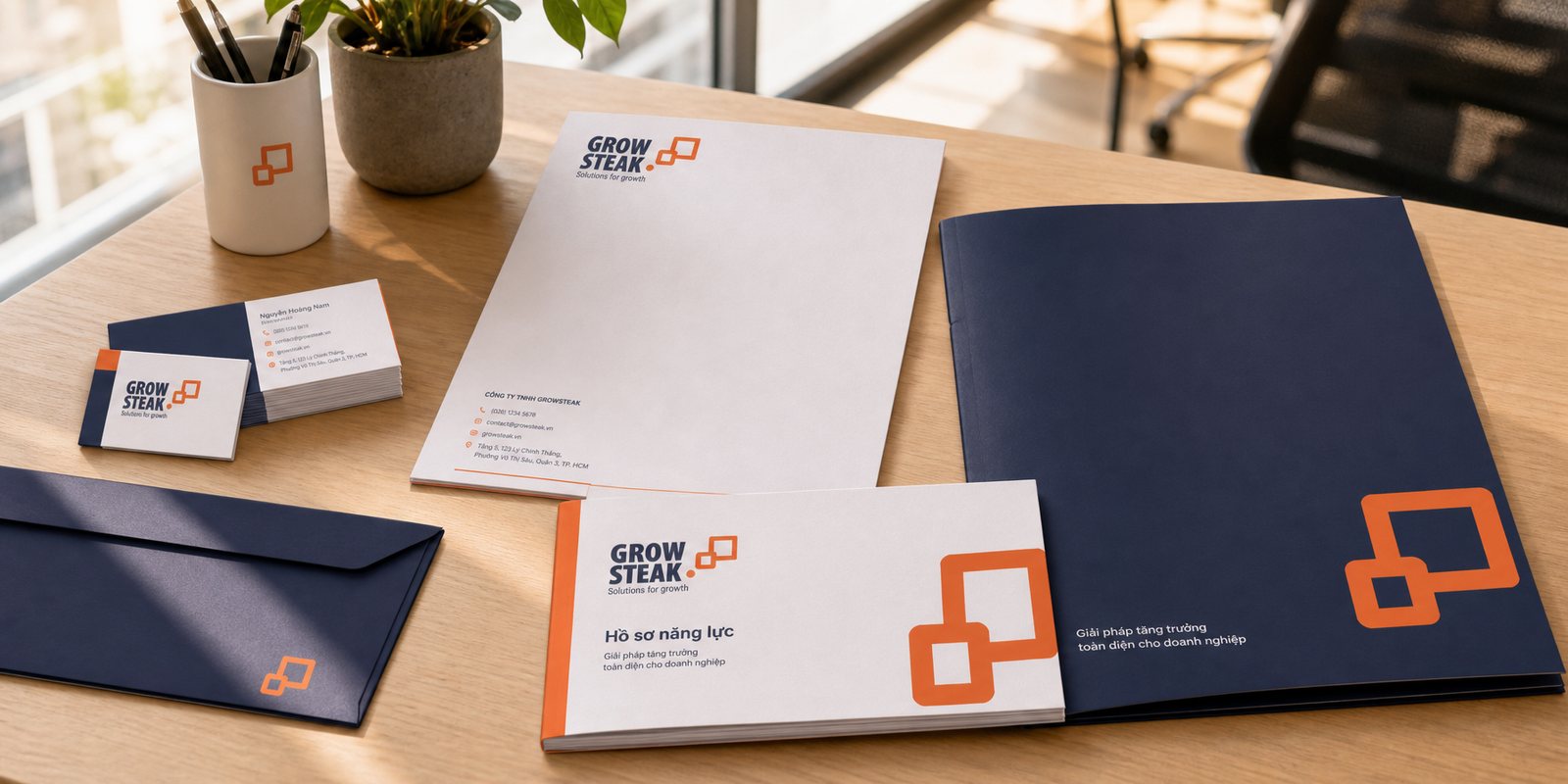
Sinh Vũ has not published an HR or CRM software project. The three below are closest: two marketing automation products sold to businesses, and a financial platform that had to persuade two sides.

Further reading08

More on enterprise software

Free toolTouchpoint map for this business modelSee the five stages customers pass through, where they drop off most, then rate the five touchpoints to fix first.Open the tool Free toolFull logo file setFrom one logo, export the whole set: website icon, Zalo and Facebook avatars, white version, black version, email signature logo, share image.Open the tool
FAQ09

Frequently asked questions

At minimum a home page that states the problem solved, a product page, pages by industry or by user role, case studies and a demo booking page. Reviewers often go straight to the data security and rollout pages, so these two should exist.

Don't compete on feature lists. Say plainly what Vietnamese businesses are struggling with that the software solves: language, familiar ways of working, support on the spot.

Open with the customer's problem, then how the software solves it, one specific case study and the next step. Everyone on the team uses the same version, changing only the examples to suit the customer's industry.

Only with the customer's consent; ask first and keep a record. If you don't have permission yet, you can tell the story by industry and size, or write a case study without names.

Yes. Enterprise software is used every day, so the interface is where the brand appears most. A digital design system keeps buttons, color and type consistent as features are added.

Keep it lean: positioning, a sentence that says what the product does, a landing page and a one-page document for the champion to carry upward. Do case studies once customers are really using it.

Tell Sinh Vũ about your software

A few lines about the product, the buyers and where the sales cycle stalls is enough. Sinh Vũ reads it and replies within one working day.